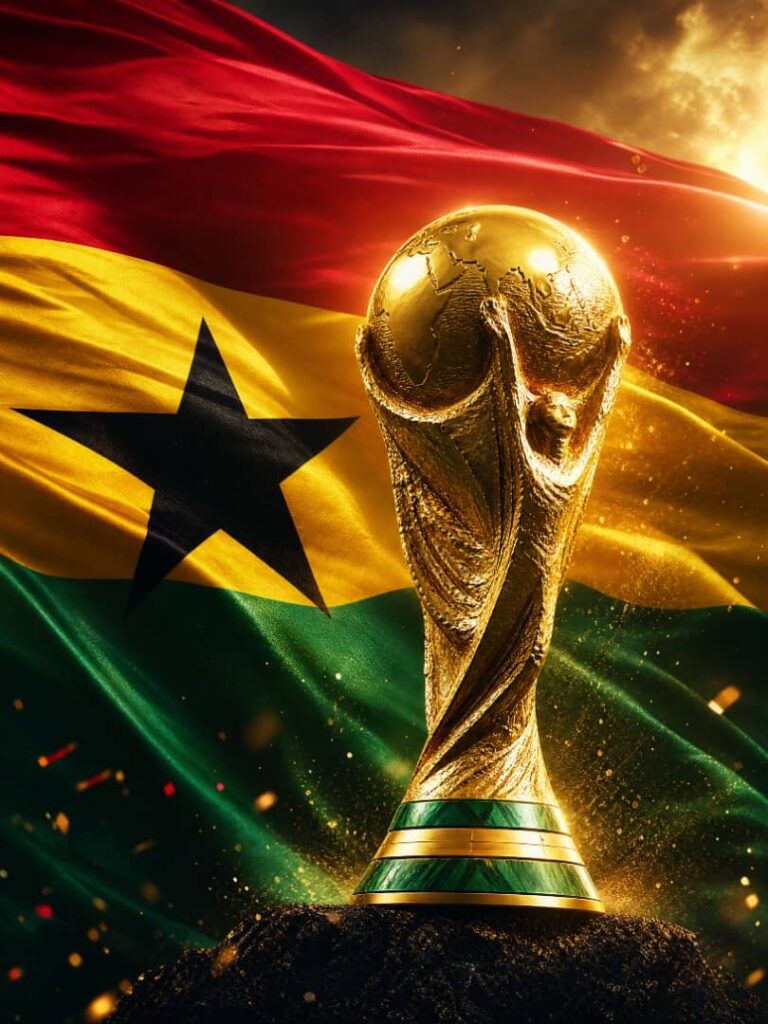
Whenever the Black Stars qualify for the FIFA World Cup, a unique sense of national unity sweeps across Ghana. Streets come alive with celebration, car horns echo through communities, and national flags appear almost everywhere. Strangers become instant friends, united by conversations about football, team selections and the country’s chances on the global stage.
Even during periods when public confidence in the team appears subdued, excitement quickly builds as the tournament approaches. The World Cup has a way of bringing Ghanaians together, transcending ethnic, social and political differences that often dominate public discourse throughout the year.
Having witnessed several of these moments over the years, I understand the excitement they generate. Yet there is one recurring pattern that continues to stand out. We celebrate qualification, rally behind the team and immerse ourselves in the excitement of the tournament, but often overlook a much bigger opportunity unfolding before us.
The truth is that the FIFA World Cup has never been solely about football.
The tournament is the most watched sporting event in the world, attracting billions of viewers across every continent. For roughly a month, the global spotlight focuses not only on the competing teams but also on the countries they represent—their cultures, music, food, tourism attractions and national stories.
While every participating nation sends a football team to the World Cup, the most strategic countries use the occasion to showcase their national brand. With the 2026 FIFA World Cup scheduled to run from June 11 to July 19 across the United States, Canada and Mexico, an estimated five billion people are expected to engage with the tournament in one form or another.
Recent World Cups provide clear examples of how countries have leveraged the global event to enhance their international profile.
Qatar used the 2022 World Cup to introduce itself to audiences around the world, many of whom had strong perceptions but limited knowledge of the country. Beyond the football, the tournament created unprecedented global exposure and opened new opportunities for tourism, business and international partnerships.
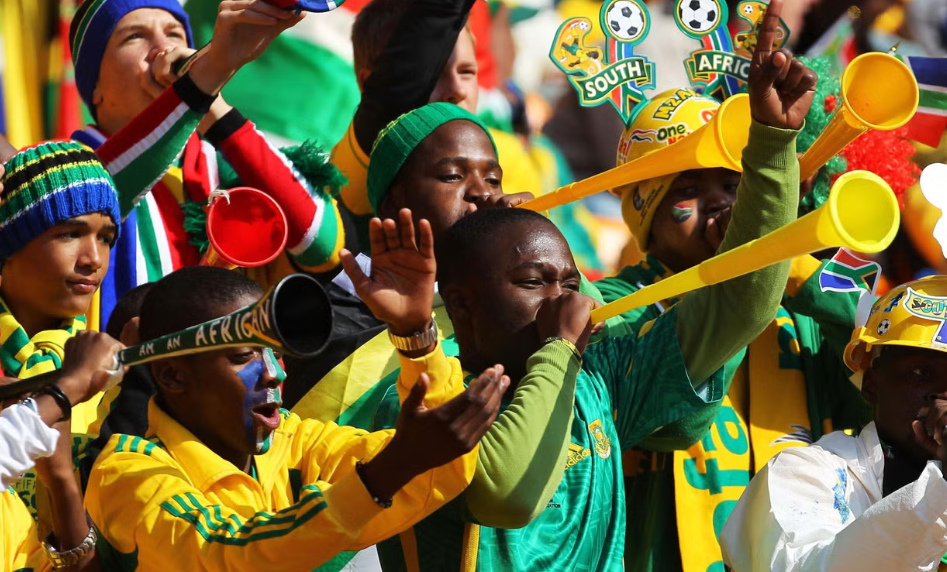
South Africa achieved something similar when it hosted the World Cup in 2010. The tournament helped reshape international perceptions of both the country and the African continent, contributing to a significant boost in tourism and global visibility. The iconic vuvuzela became a worldwide cultural phenomenon, while cities such as Johannesburg gained international recognition as major travel destinations.
Brazil’s hosting of the 2014 World Cup offered another powerful example. Through the tournament, the country showcased its vibrant culture, Carnival traditions, natural attractions and the warmth of its people to audiences across the globe. In many ways, Brazil’s national identity became part of the World Cup experience itself.
These examples demonstrate that the countries that gain the most from the World Cup are not always the ones that lift the trophy. Often, the greatest victories are achieved through the lasting global visibility, cultural influence and economic opportunities that the tournament can generate.
One of the most important lessons from the FIFA World Cup is that the biggest winners are not always the teams that lift the trophy. For many countries, the tournament serves as a powerful platform to showcase their culture, identity, tourism potential and economic opportunities to a global audience.
As a Ghanaian working in the media, one reality continues to stand out: Ghana possesses one of the most compelling national stories in the world, yet we often fail to tell it effectively.
Ghana occupies a unique place in global history. It was the first sub-Saharan African nation to gain independence, inspiring liberation movements across the continent. It is home to rich cultural traditions, globally recognised music genres, vibrant festivals, remarkable heritage sites and a creative industry that continues to make an impact far beyond its borders.
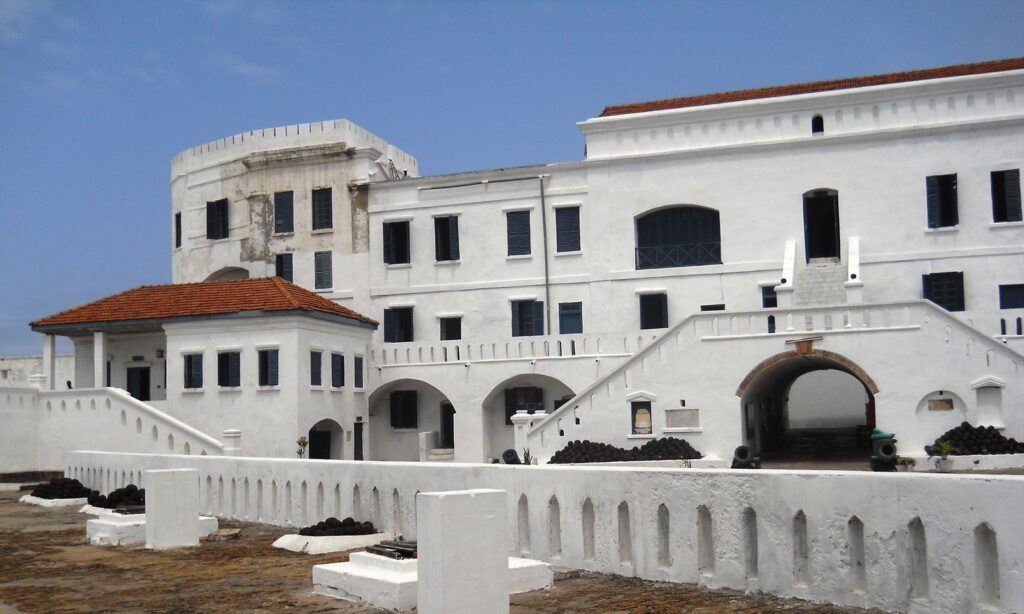
From the iconic Kente cloth and the enduring legacy of Highlife music to the internationally acclaimed Chale Wote Street Art Festival, Ghana’s cultural influence is undeniable. The country is also home to historic landmarks such as Cape Coast Castle, whose story remains one of the most significant chapters in human history.
Beyond its heritage, Ghana boasts some of Africa’s most remarkable attractions, including Mole National Park, Lake Volta and the bustling Kejetia Market. Accra, in particular, has emerged as one of the continent’s most dynamic cities, attracting global attention for its creativity, entrepreneurship and cultural vibrancy.
Yet much of the world remains unfamiliar with these stories.
The challenge is not a lack of interest from international audiences. Rather, it is our inability to consistently and strategically project these narratives to the world.
The FIFA World Cup offers a rare opportunity to change that. With billions of viewers expected to follow the tournament, participating countries are handed a global platform unlike any other. The question is whether Ghana will use that platform to tell a story that extends beyond football.
With the tournament set to begin on June 11, 2026, across the United States, Canada and Mexico, time is of the essence. There is little room for lengthy planning processes or delayed decision-making. Ghana has already secured its place on the world stage after topping CAF Group I with 25 points from 10 matches and qualifying for the tournament.
The Black Stars are ready for the global spotlight. The critical question now is whether Brand Ghana will be equally prepared.
At present, there appears to be no clearly coordinated national strategy aimed at leveraging the World Cup to promote Ghana’s culture, tourism and creative industries to a worldwide audience. As a result, Ghana faces a choice: act decisively and seize this opportunity, or risk allowing a valuable moment of global visibility to pass by.
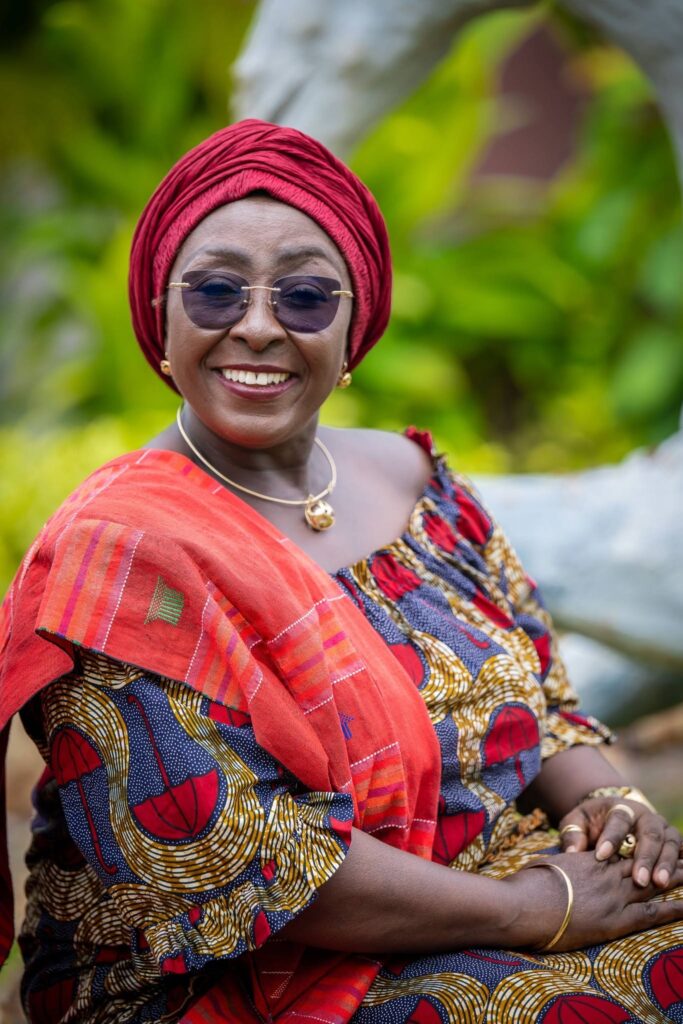
The Minister for Tourism, Culture and Creative Arts, Mrs. Abla Dzifa Gomashie, and the Chief Executive Officer of the Ghana Tourism Authority, Maame Efua Houadjeto, are among the key figures positioned to drive such an initiative. The necessary institutions already exist, and the frameworks are largely in place.
What is needed now is a deliberate decision to treat the World Cup not only as a sporting event, but also as a national branding opportunity capable of elevating Ghana’s image, culture and tourism appeal on the global stage.
The strategy itself is simple: identify one compelling national story, build it around a shared emotional connection, and amplify it across every available platform over the next month. This goes beyond creating a catchy slogan. What Ghana needs is a narrative that resonates with audiences, sparks curiosity and creates lasting connections. A tagline may capture attention, but a powerful story keeps people engaged.
To achieve this, Ghana must quickly make broadcast-ready content on its culture, cuisine, fashion, heritage and tourism attractions available to international media outlets covering the tournament. At the same time, members of the Ghanaian diaspora in cities such as London, New York, Toronto and Amsterdam should be mobilised as grassroots ambassadors for Brand Ghana.
The country’s creative industry also has a critical role to play. Musicians including Akwaboah, Fuse ODG, Shatta Wale, Sarkodie, Black Sherif, Stonebwoy, DopeNation, Kofi Kinaata and Grace Ashly, alongside a new generation of globally recognised Ghanaian creatives, should be actively involved in telling Ghana’s story to the world.
A coordinated digital campaign is equally essential. With a single unifying hashtag, content creators across TikTok, Instagram, YouTube and X could produce daily content showcasing Ghana’s culture, tourism, music and lifestyle. Such an effort should be supported by broadcasters through programming that extends beyond match previews and post-match analysis to spotlight the country’s unique identity.
Hotels, airlines, consumer brands and the Ghana Football Association all have important roles to play. However, their efforts must be connected by a single, coherent national message rather than a collection of disconnected campaigns competing for attention.
To drive this process, the Ministry of Tourism, Culture and Creative Arts could convene an urgent Brand Ghana activation meeting, bringing together the Ghana Tourism Authority (GTA), the Creative Arts Agency, the Ghana Football Association, the Black Star Experience Secretariat, the Diaspora Affairs Directorate and private sector partners to align around a common campaign strategy.
As part of that effort, the GTA could develop and distribute a comprehensive Ghana Culture and Tourism Media Pack featuring high-quality photographs, short videos, destination guides and cultural profiles. Making these resources readily available to international journalists and broadcasters would help ensure Ghana receives broader and more meaningful exposure throughout the tournament.
Ghana’s embassies and high commissions in key markets such as the United States, the United Kingdom, Canada and Germany could also support the campaign by hosting cultural showcases and Ghana-themed events during the competition. Efforts should similarly be made to secure a visible Ghanaian presence at FIFA Fan Zones in host cities, providing visitors with a firsthand experience of Ghanaian culture.
Locally, broadcasters could dedicate airtime to special World Cup cultural features highlighting Ghana’s tourist attractions, chefs, fashion designers, entrepreneurs and heritage sites. A dedicated team of Ghanaian journalists, videographers and content creators on the ground could also produce real-time content from tournament venues, ensuring Ghana remains visible beyond the football pitch.
Consistency will be crucial. A single campaign hashtag should be adopted and used across government institutions, media organisations, businesses and the creative sector. A coordinated content calendar focused on Ghana’s destinations, food, music and culture could then be rolled out across digital platforms, aligning with the excitement and visibility generated on match days.
Content creators at home and abroad should be equipped with a clear Brand Ghana guide and encouraged to share authentic stories that reflect the country’s diversity and strengths. Strategic digital advertising in major markets such as the United States, the United Kingdom, Canada and Europe could further direct international audiences to Ghana’s tourism and investment opportunities.
Beyond digital engagement, Ghanaian musicians, fashion designers, chefs and visual artists could be formally appointed as Brand Ghana ambassadors, empowered to tell the nation’s story through their own creative platforms and global networks. Diaspora organisations across North America and Europe could complement these efforts by organising cultural activations on match days when global attention is at its peak.
The private sector also has an opportunity to contribute. Airlines, hotels and hospitality businesses could develop packages that combine football-related travel with visits to destinations such as Cape Coast Castle, Kumasi, Mole National Park and Accra. Ghanaian restaurants abroad could host match-day events that introduce international audiences to Ghanaian food, culture and hospitality, ensuring that the conversation extends far beyond the final score.
The impact may not be felt immediately, but its value can be far-reaching. It could emerge months later through increased tourism bookings, new business opportunities, or investment conversations sparked by Ghana’s presence on the global stage.
It may be reflected when an investor who watched Ghana play mentions the country in a boardroom discussion. It may appear when a young football fan in Seoul, São Paulo or another corner of the world searches online to learn more about the nation behind the players who captured their attention.
The opportunity before Ghana does not require building anything from the ground up. The talent already exists. The culture is rich and vibrant. The institutions are in place. What is needed now is urgency, coordination and the determination to act with the same enthusiasm that Ghanaians bring to supporting the Black Stars.
The Black Stars represent our footballing ambitions, but Brand Ghana has the potential to tell an even bigger story—one of culture, tourism, innovation, investment and national pride.
With the eyes of billions focused on the global game over the next few days, Ghana has a rare opportunity to showcase more than its footballing talent.
Four days. Five billion viewers. Let us ensure the world sees the full Ghanaian story.
Go Ghana. Ghana to the World.