The U.S. Department of Justice’s decision to formally abandon its proposed “anti-weaponisation” compensation fund on Tuesday came after mounting opposition from within President Donald Trump’s own Republican Party.
The controversy exposed growing unease among some Republican lawmakers, who threatened to derail a key immigration bill unless the administration withdrew the plan, which critics argued could have allowed taxpayer funds to benefit Trump supporters, including individuals involved in the January 6, 2021, attack on the U.S. Capitol.
For many Republicans and Trump allies, the dispute represented a politically damaging distraction at a time when the party is facing several major challenges ahead of the midterm elections.
“This was a total self-inflicted wound and completely unnecessary,” a former Trump adviser, speaking on condition of anonymity, said.
“It speaks to the president’s myopic view sometimes. He’s going to do what he wants to do regardless of whether it hurts Republicans,” the source added.
The backlash comes as Trump confronts growing political headwinds, including public concern over U.S. involvement in the conflict with Iran, rising fuel prices, and approval ratings that could affect Republican electoral prospects in upcoming congressional races.
The proposed fund emerged from a settlement linked to a lawsuit Trump agreed to drop against the Internal Revenue Service (IRS). Under the arrangement, compensation would have been available to individuals the administration determined had been unfairly targeted by the Biden administration.
A particularly contentious aspect of the agreement involved provisions preventing ongoing tax audits of Trump, members of his family, and related business interests. The measure drew criticism from both Republicans and Democrats, who argued it raised concerns about accountability and conflicts of interest.
Administration officials defended the proposal, saying the fund was intended to compensate Americans who had been wrongly prosecuted or unfairly targeted by government agencies. They maintained that eligibility would not be limited to Republicans and that Democrats could also qualify for compensation.
However, officials repeatedly declined to rule out the possibility that individuals convicted or prosecuted in connection with the January 6 Capitol riot could receive payments, further fueling criticism from lawmakers.
Adding to the controversy, Acting U.S. Attorney General Todd Blanche confirmed on Tuesday that the provision shielding Trump, his family, and businesses from certain tax audits would remain in effect, despite the decision to terminate the compensation fund.
That announcement drew renewed criticism from Republican lawmakers, some of whom argued that the audit protection clause should also be revoked.
The episode marks one of the most significant instances of Republican resistance to Trump during his second term, highlighting divisions within the party over the limits of executive power and the political risks associated with controversial policy decisions.
While the administration has now abandoned the compensation programme, the debate surrounding the settlement and its remaining provisions is expected to continue both in Congress and in the courts.
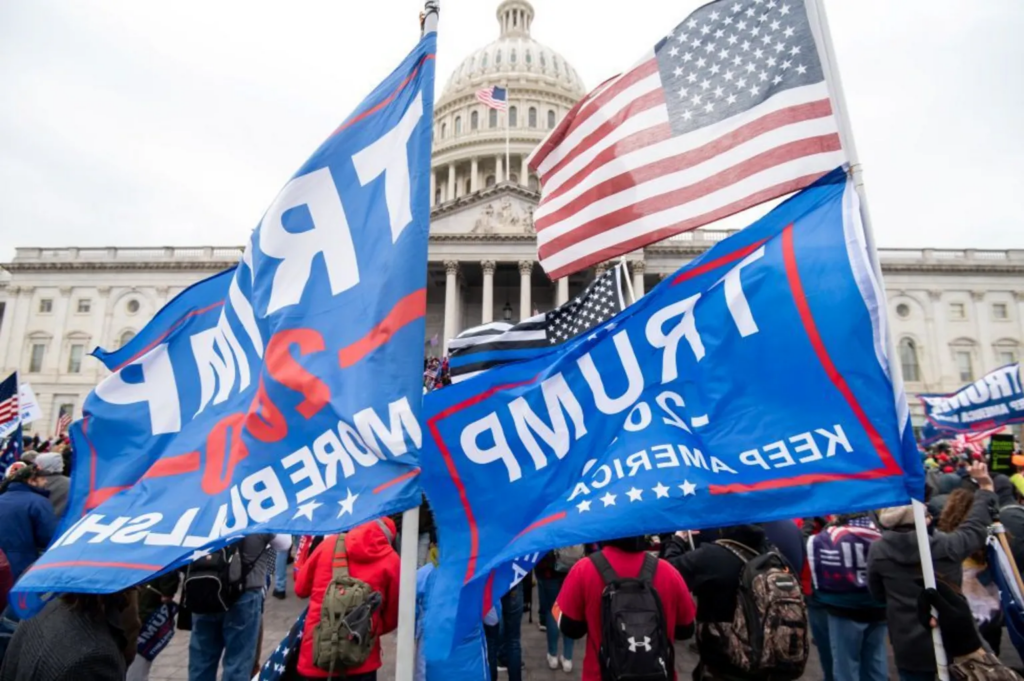
The controversy surrounding the Justice Department’s proposed compensation fund has become one of the clearest examples yet of growing Republican willingness to challenge President Donald Trump during his second term when they believe his actions overstep acceptable boundaries.
While Trump continues to enjoy strong support within much of the Republican Party, recent events suggest his influence is no longer unquestioned, particularly when lawmakers perceive efforts to expand presidential authority, reward political allies, or target opponents.
The backlash over the proposed fund follows a series of instances in which Republicans have broken ranks with the president since his return to office.
Last month, several Senate Republicans joined Democrats in approving a war powers resolution aimed at limiting the duration of U.S. military involvement in the conflict with Iran. Although a similar measure has yet to pass the House of Representatives, the vote underscored growing bipartisan concern over executive authority in foreign policy.
In another setback for Trump, Republican lawmakers last year supported efforts requiring the Justice Department to release files related to convicted sex offender Jeffrey Epstein, despite resistance from the administration.
The White House spent months attempting to manage criticism surrounding the Epstein files before eventually yielding to pressure and agreeing to their release. However, opposition to the compensation fund emerged far more quickly and appeared to catch senior administration officials by surprise.
Tensions reportedly came to a head during a private Senate Republican meeting with Deputy Attorney General Todd Blanche on May 21, just two days after the fund was announced.
Speaking on his Verdict podcast, Senator Ted Cruz of Texas described the meeting as highly contentious, saying several Republican senators openly challenged the proposal.
“There were multiple senators yelling at the attorney general, saying this feels like self-dealing,” Cruz revealed.
Republican resistance intensified in the days that followed.
Lawmakers reportedly slowed progress on legislation intended to provide funding for U.S. Immigration and Customs Enforcement (ICE) and Customs and Border Protection (CBP), signaling that the controversial fund could jeopardize broader immigration spending priorities.
As pressure mounted, Senate Majority Leader John Thune publicly urged the administration to abandon the proposal.
“The best way to handle it is if the administration decides to shut it down themselves,” Thune told reporters at the Capitol on Monday.
The growing Republican opposition coincided with Democratic efforts to block the immigration bill unless the fund was withdrawn. At the same time, several advocacy groups filed lawsuits seeking to halt the programme through the courts.
The dispute has become a rare example of bipartisan opposition directed at the Trump administration. While Democratic criticism was widely expected, given the party’s consistent opposition to many of Trump’s second-term policies, the reluctance of Republicans to publicly defend the proposal was particularly notable.
The controversy has also added another chapter to the ongoing legal battles surrounding Trump’s use of executive authority since returning to office.
On Friday, a federal judge ordered the Justice Department to suspend implementation of the fund while litigation challenging the programme proceeds through the courts.
The ruling, combined with mounting political pressure from both parties, ultimately contributed to the administration’s decision to abandon the proposal. However, legal and political scrutiny surrounding the issue is expected to continue in the months ahead.
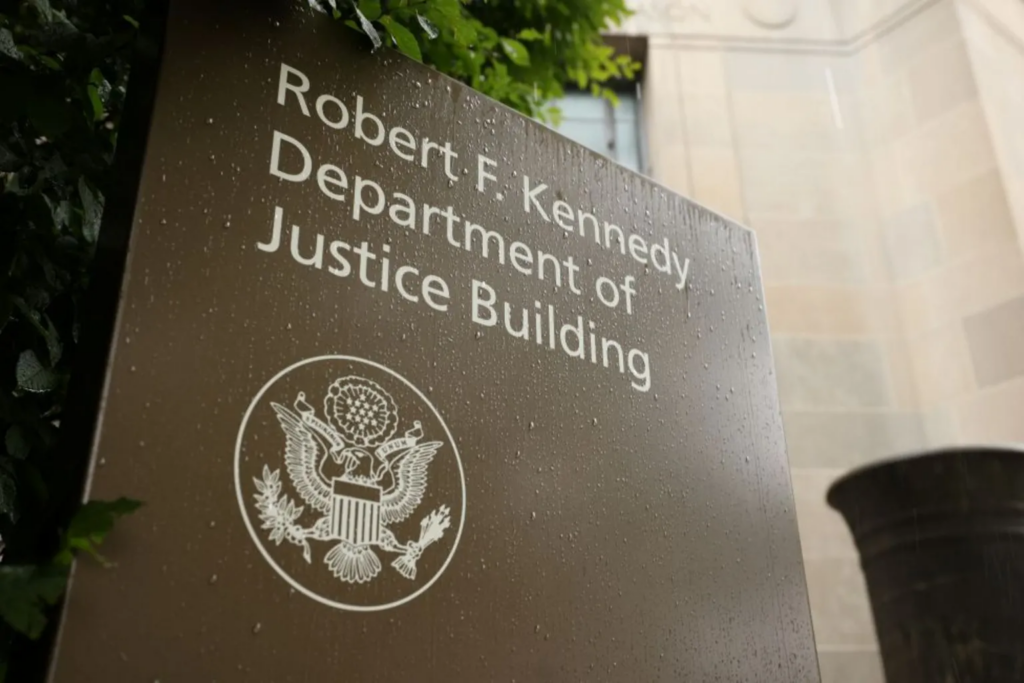
The U.S. Department of Justice has confirmed that the Trump administration will not move forward with a controversial compensation fund that had sparked legal challenges and criticism from both Democrats and some Republicans.
The department initially announced on Monday that it was temporarily suspending the compensation scheme following a court ruling. However, critics argued that a temporary halt was insufficient and demanded a permanent withdrawal of the proposal.
The administration’s position became clearer on Tuesday when Deputy Attorney General Todd Blanche told members of the House of Representatives that the fund would be abandoned altogether.
“We’re not moving forward with the fund,” Blanche told lawmakers.
Despite the announcement, questions remain over whether the issue has been fully settled. During his testimony, Blanche declined to commit to putting the administration’s decision in writing, prompting concerns among critics that the proposal could potentially be revisited in the future.
Legal opponents of the plan have indicated they will continue pursuing court action to ensure the matter remains closed.
“Litigation provides a safeguard to make sure” former President Donald Trump does not revive the proposal, said Norm Eisen, co-founder of the Democracy Defenders Fund, which represents plaintiffs in one of the lawsuits challenging the administration.
Democrats have also pledged to pursue legislative measures aimed at preventing future presidents from using taxpayer funds to benefit political allies. Lawmakers are expected to propose amendments to an immigration bill that would explicitly prohibit such expenditures.
The controversy has become a significant political issue for Democrats, who are expected to highlight it during campaigns ahead of the upcoming midterm elections.
On Tuesday evening, Senate Minority Leader Chuck Schumer criticized the administration’s assurances, arguing that verbal commitments alone were not enough.
“Blanche and Trump’s words are worthless,” Schumer said in a social media post. “The only way to stop Trump’s nearly $2 billion MAGA slush fund and his blank check to commit tax fraud is to abolish it by law — permanently.”
Schumer added that Senate Democrats would seek a floor vote on legislation designed to permanently block any future attempt to establish the fund.
The latest developments suggest that while the administration has publicly stepped away from the proposal, the political and legal debate surrounding it is likely to continue in the months ahead.