Ghana’s coastal environment is under growing pressure from pollution, plastic waste and the destruction of wetlands, the Environmental Protection Authority (EPA) has warned, cautioning that these threats are putting the country’s marine future at risk.
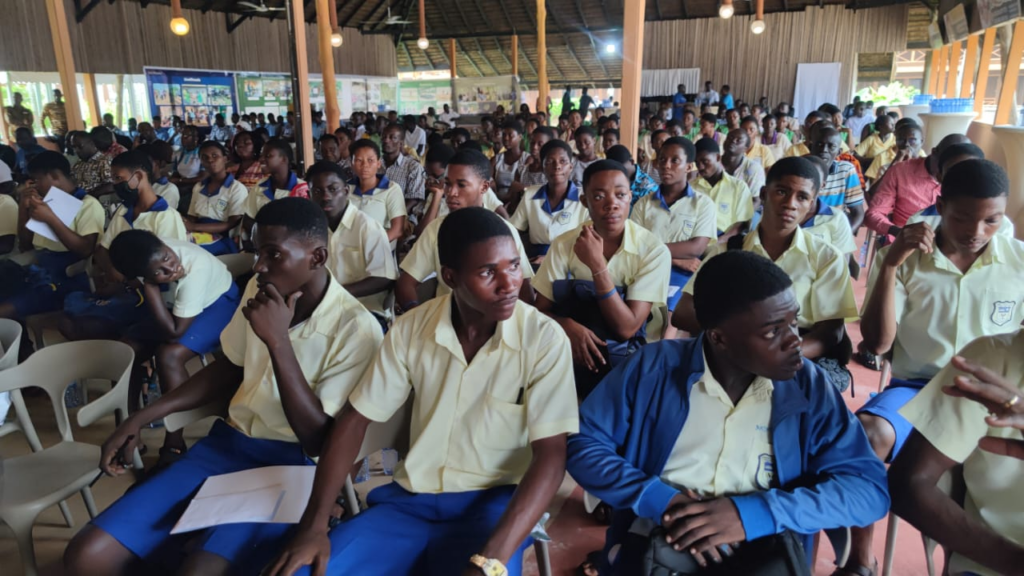
The concern was raised during Ghana’s World Ocean Day commemoration in the Western Region, where stakeholders gathered to highlight the urgent need to protect coastal ecosystems. The choice of location was deliberate, with attention focused on the Amanzule Wetland, a key ecological area currently being considered for designation as a Ramsar site.
Speaking at the event, EPA Chief Executive Officer Professor Nana Ama Browne Klutse said the state of the ocean has visibly changed and should serve as a wake-up call.
“If you step out there and look over the ocean, I am sure you will be emotional. The colour is no longer blue as we have known it. I see a brown colour of the ocean,” she said.
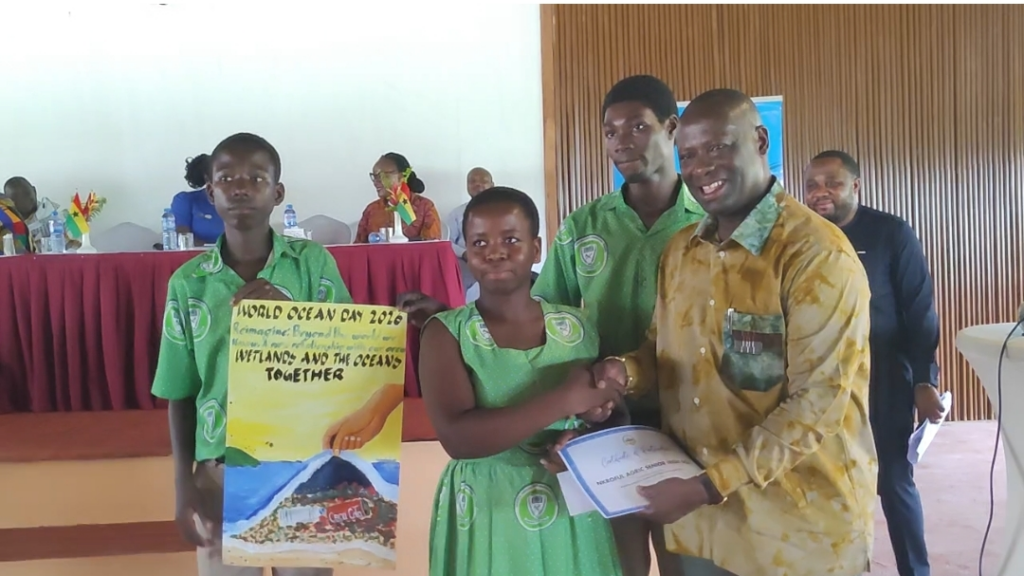
She explained that this year’s theme, “Reimagining Beyond the World We Know: A New Relationship with the Ocean,” calls for a shift from exploitation to protection of marine resources.
According to her, wetlands and oceans are closely linked, and damage to one inevitably affects the other. She added that efforts to secure the Amanzule Wetland through Ramsar designation would help protect biodiversity, reduce flooding risks and prevent further environmental degradation.
Minister for Lands and Natural Resources, Emmanuel Armah-Kofi Buah, also addressed the gathering, linking recent flooding incidents across the country to long-standing environmental neglect.
He stressed that wetlands serve as natural buffers against flooding, erosion and the wider impacts of climate change, and must be protected if communities are to remain safe.
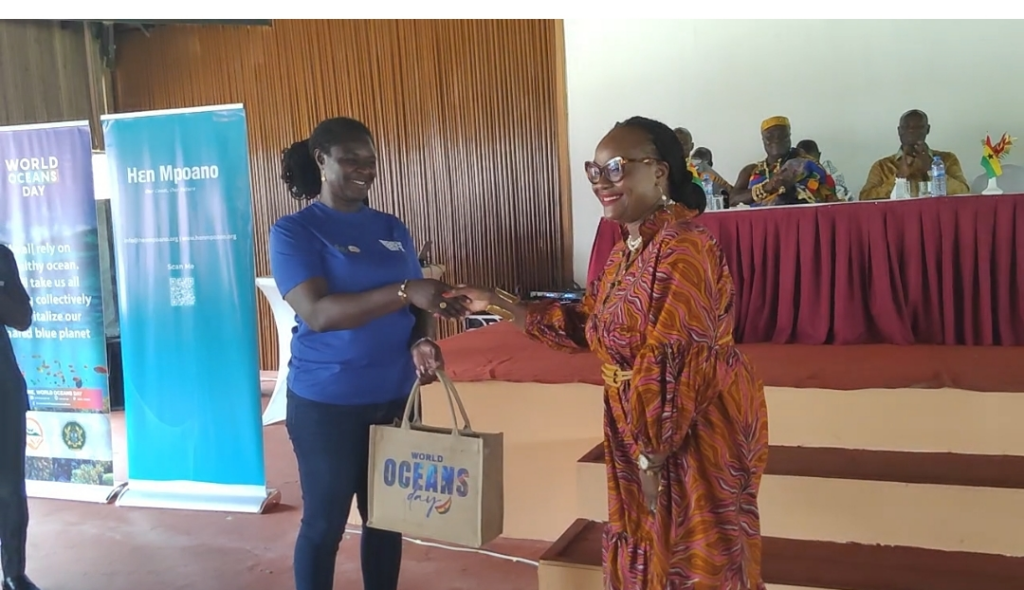
“If only the sea and wetlands could speak, their way of reminding us would be through the floods we experience,” he said.
The Minister assured stakeholders of government’s commitment to protecting the Amanzule wetlands and urged communities and institutions to respect areas designated for conservation.
Dr Musonda Mumba, Secretary-General of the Convention on Wetlands, described wetlands as “the kidneys of the earth,” explaining that they play a vital role in filtering pollutants before they reach the ocean.
She emphasised that safeguarding the ocean begins with protecting wetlands.
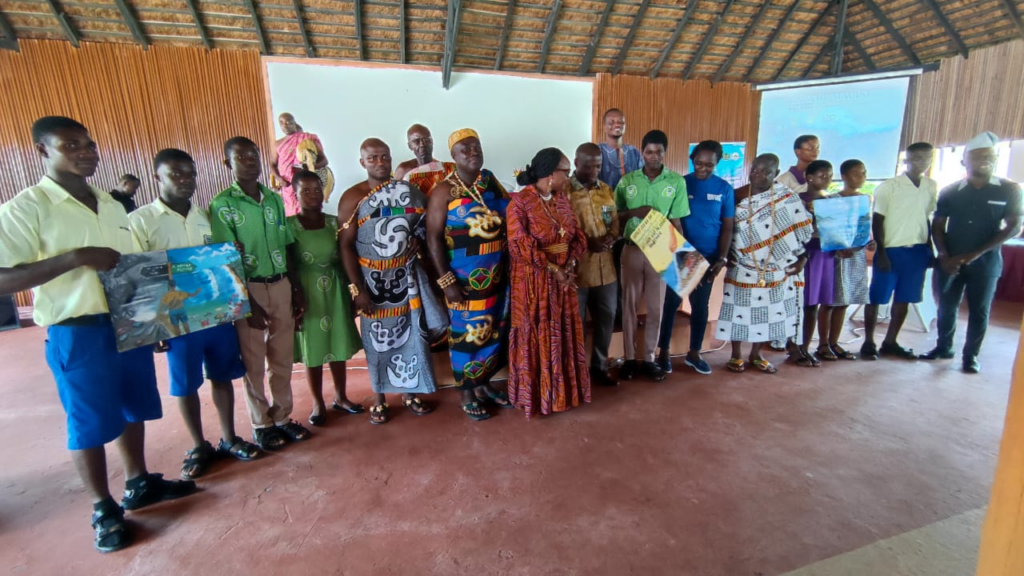
Traditional authorities also joined the advocacy, with Awulae Blay IX of the Eastern Nzema Traditional Area calling on citizens to adopt a more responsible approach to protecting nature.
He said, “If we treat the ocean well, the ocean will treat us well.”
The Environmental Protection Agency (EPA) has used the occasion to remind the public about government’s planned ban on styrofoam products, commonly used as takeaway packs, citing their harmful impact on the environment.
The Authority says the ban will take full effect from January 1, 2027, and is urging businesses and consumers to begin shifting to more environmentally friendly alternatives ahead of the deadline.
As Ghana continues to grapple with pollution and climate-related challenges, stakeholders say protecting the ocean is no longer only an environmental duty, but a matter tied to survival, livelihoods, and the wellbeing of future generations.