Multiple women have accused billionaire businessman and West Ham co-owner David Sullivan of abusing his position of power and exploiting young women seeking opportunities in the modelling industry, in some cases when they were still teenagers.
The allegations, made by seven women and uncovered through a joint investigation by BBC Panorama and The Times, span several decades beginning in the 1980s. All the women were in their late teens or early twenties at the time and were pursuing modelling work through Sullivan’s Daily and Sunday Sport newspapers.
They allege a pattern of sexually exploitative and coercive behaviour, including claims that Sullivan pressured them for sex during business meetings, offering career advancement in exchange for sexual acts.
One of the women, Florence (a pseudonym), said she felt she had no choice but to have sex with him, despite not wanting to.
Sullivan, 77, “categorically” denies all allegations, which relate to the period during which he built a fortune through publishing, pornography, newspapers and football ownership.
On Saturday, hours after BBC Panorama and The Times confirmed the findings of their investigation, Sullivan resigned as joint chairman of West Ham United. He said he intended to focus on defending what he described as “factually incorrect and entirely false, decades-old allegations concerning my personal life,” calling the investigation “fundamentally unfair.”
Separately, it has emerged that Sullivan has admitted paying for sex in the 1990s with a girl he says he believed was 16 or 17 years old. At the time, he was in his 40s. It only became illegal in England and Wales to pay for sex with someone aged 16 or 17 in 2003.
During the 1980s and 1990s, Sullivan was widely seen as a powerful gatekeeper in the glamour modelling industry. Florence said she was told during a meeting at his home that she could become one of his newspaper’s “regular girls” if she agreed to have sex with him.
She alleged that, aged 20 at the time, she attempted to avoid his advances by making excuses, including saying she was on her period, before being taken into a bedroom where sexual activity took place. Lawyers for Sullivan have described her account as implausible.
Two other women told investigators they felt pressured into sexual encounters to avoid jeopardising their modelling careers, accusing Sullivan of exploiting his influence. One said: “He was taking advantage of young people.”
Another former model alleged that she tried to leave a meeting after Sullivan made a sexual proposition but discovered the door was locked, and said she was only allowed to leave after raising her voice.
Most of the women involved in the investigation chose to remain anonymous, citing fear of Sullivan and possible repercussions.
Investigators said they corroborated elements of the accounts through diary entries, police records, and interviews with friends and family who had been told about the incidents at the time.
The report also found that eight women have made disclosures about Sullivan’s conduct to either the Metropolitan Police or Essex Police, including one of the women involved in the investigation.
Sullivan denies all allegations and has never been charged in relation to them.
The investigation also raises wider questions for football authorities about what was known regarding his conduct.
‘He took away my innocence’
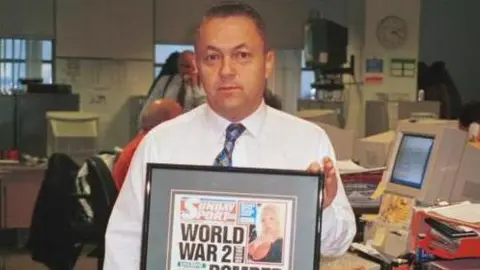
Florence said she was first introduced to Sullivan in 1999 at what she believed would be a business meeting at his home, arranged by Sport editor-in-chief Tony Livesey, now a presenter on BBC Radio 5 Live.
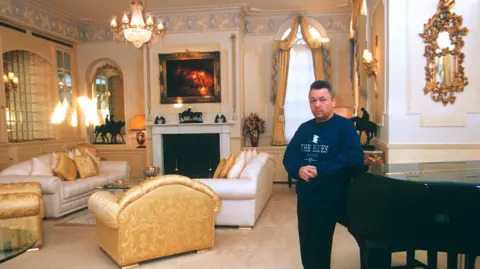
Then 20 years old and an aspiring glamour model, she said she travelled to Sullivan’s Essex property with her boyfriend, who remained outside while she went in alone to meet Sullivan in his office.
While she could not recall every detail of the visit, Florence said key aspects remain clear and are supported by her diary entries, which document her journey from an early coach to London, followed by train and taxi to the meeting.
She described being struck by the size and luxury of the property, while recalling Sullivan as casually dressed in a “scruffy tracksuit”.
According to Florence, Sullivan reviewed her modelling portfolio before asking her to “freshen up” in the bathroom. She said she initially misunderstood the request, before he clarified that he meant she should undress down to her underwear, which she did.
Florence alleged that Sullivan initially offered her a small amount of work, saying he wanted to reward her for making the effort to meet him.
However, she claimed the conversation soon turned inappropriate, with Sullivan allegedly suggesting that a sexual relationship with him would lead to regular modelling opportunities and greater exposure in his publications.
According to Florence, he told her that such an arrangement could result in appearances in magazines, including prominent features and regular work with the Sport newspaper.
Florence said she tried to discourage his advances, telling him that her boyfriend was waiting outside. She alleged that Sullivan dismissed her concerns and continued to pressure her.
She recalled feeling increasingly distressed and overwhelmed by the situation.
Florence alleges that she was then led into a bedroom, where a sexual encounter took place. She maintains that she did not want the encounter to happen and says she was in a state of panic throughout the incident.
Looking back, Florence said she believes fear and what she describes as a significant imbalance of power affected her ability to respond or leave the situation.
“I was in pure panic mode,” she said, adding that she remembers repeatedly not wanting the encounter to happen, although she struggles to recall exactly how she expressed that at the time.
Following the incident, Florence said Sullivan assured her that she would receive modelling work with the Sport newspaper.
She subsequently appeared in the publication, but said the experience left her feeling deeply uncomfortable and emotionally distressed. According to Florence, receiving work after the encounter made her feel as though she was being rewarded for something she never wanted to happen.
Florence said she kept the alleged incident to herself for many years and did not report it to police because she feared she would not be believed as a glamour model.
She also said the experience had a lasting impact on her mental wellbeing, contributing to years of emotional and psychological difficulties.
The BBC reported that it had spoken to three individuals whom Florence had confided in since 2018. Investigators also reviewed diary entries, newspaper clippings and business cards that were said to support elements of her account.
Lawyers representing David Sullivan have rejected Florence’s allegations, describing her account as “implausible” and arguing that it is inconsistent with the layout of his home.
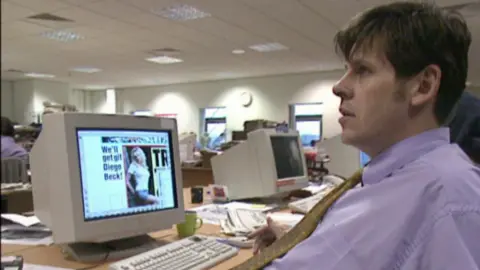
Livesey said he had no recollection of placing a woman on the phone to speak with Sullivan in the manner described by Florence and insisted that introducing women to Sullivan was never part of his responsibilities.
While expressing sympathy for anyone who may have been harmed, Livesey strongly denied any involvement in the alleged events.
“I have great sympathy for any woman who may have become a victim,” he said, adding that he found the allegation against him “abhorrent” and rejected any suggestion that he played any role in the situation.
Concerns Within the Industry
Throughout his career, Sullivan has often spoken publicly about his personal life and relationships. Over the years, however, allegations and rumours about his conduct have also circulated within parts of the glamour modelling industry.
During the 1990s, he acquired the nickname “No job/blow job”, a reference to claims that aspiring models were expected to provide sexual favours in exchange for opportunities in his publications. Sullivan has previously been quoted discussing his relationships with women in ways that drew public attention and criticism.
Some former associates have defended him. Nick Cracknell, a longtime friend and former business partner, said Sullivan’s relationships with women were widely known and openly discussed.
However, the joint investigation found that concerns about Sullivan’s behaviour had existed within the modelling industry for years.
One modelling agent told reporters that he routinely warned young models about Sullivan, while another said his agency stopped sending models to him because of what he described as a reputation for “casting couch” behaviour.
A third agent allegedly took a different approach, according to a woman identified by the pseudonym Rebecca.
Rebecca said she was approached on the street by a female modelling agent who promised her a lucrative glamour modelling career in London. After arriving in the city, however, she alleged that the agent informed her she would be expected to engage in sex work.
Rebecca further claimed that the agent told her she would need to have sexual relations with Sullivan in order to secure modelling opportunities and appear in the Sport newspaper. According to Rebecca, the agent described Sullivan as a close friend and encouraged her to comply with his wishes.
“She told me to go in and do whatever he said,” Rebecca alleged.
Rebecca said she later met Sullivan in 1998. She alleges that before a sexual encounter took place, he sought to reassure her and subsequently told her he would help arrange opportunities for her to appear in the newspaper.
The allegations form part of a wider investigation examining claims made by several women about their interactions with Sullivan over a number of decades. Sullivan has denied allegations of wrongdoing.

Rebecca said she believed Sullivan “preyed on the vulnerable” and abused his power in “casting couch” scenarios. She said she was particularly susceptible to abuse because she was young, neurodivergent and had been a victim of previous sexual trauma.
“That was the start of a lonely, degrading, dark time in my life,” she said.
Many of the women we have spoken to were new to the industry and, unlike Rebecca, said they had been unaware of Sullivan’s reputation when they were invited to meetings with him.
Mia – not her real name – was a 20-year-old newcomer when she said she had gone to Sullivan’s house for a meeting, which she had thought would be about working for the Sport.
She said Sullivan led her upstairs, and it then became apparent he expected her to have sex with him.
He asked her to remove her clothes, and she went along because she felt she had no choice if she wanted to be in the paper, she said. “The door’s shut and you’re in someone’s house… I was young, I didn’t really know what to do, to be honest.”
Sullivan had sex with her, she said, and afterwards he took money out of a safe, giving £50 to her, despite no prior discussion of payment. She said she believes this was to “shut her up”, or an attempt to discredit her by making her look like a sex worker.
She described the incident as an abuse of power. “It shouldn’t have happened,” she said. “He was taking advantage of young people.”
After her initial meeting with Sullivan, Mia said she met him again on one other occasion, when she returned to his house. That time, she said, she went with a young woman who – unlike Mia – knew Sullivan would want to do something sexual with her. Mia said the other woman went willingly because she wanted to earn money, after she had told her about what happened during Mia’s first visit.
Two women, one in the 1980s and one in the 1990s, said they had been accompanied by their mothers when they met Sullivan. Both accused him of attempting to pressure them into sex.
One, whom we are calling Anna, said she had entered a Sports competition that invited aspiring models to submit amateur photographs in the 1990s, when she was 17.
She had grown up with a violent, abusive father and thought becoming a glamour model was a way to escape. “I thought I could be like Sam Fox and get loads of money and get my own house with my mum,” she said.
After applying, she was invited to an industry party at an Essex nightclub, with her mother as a chaperone. She said she was taken aside by Sullivan and he told her he could make her a star if she gave him oral sex.
Rebecca said she believed Sullivan “preyed on the vulnerable” and abused his power in “casting couch” scenarios. She said she was particularly susceptible to abuse because she was young, neurodivergent and had been a victim of previous sexual trauma.
“That was the start of a lonely, degrading, dark time in my life,” she said.
Many of the women we have spoken to were new to the industry and, unlike Rebecca, said they had been unaware of Sullivan’s reputation when they were invited to meetings with him.
Mia – not her real name – was a 20-year-old newcomer when she said she had gone to Sullivan’s house for a meeting, which she had thought would be about working for the Sport.
She said Sullivan led her upstairs, and it then became apparent he expected her to have sex with him.
He asked her to remove her clothes, and she went along because she felt she had no choice if she wanted to be in the paper, she said. “The door’s shut and you’re in someone’s house… I was young, I didn’t really know what to do, to be honest.”
Sullivan had sex with her, she said, and afterwards he took money out of a safe, giving £50 to her, despite no prior discussion of payment. She said she believes this was to “shut her up”, or an attempt to discredit her by making her look like a sex worker.
She described the incident as an abuse of power. “It shouldn’t have happened,” she said. “He was taking advantage of young people.”
After her initial meeting with Sullivan, Mia said she met him again on one other occasion, when she returned to his house. That time, she said, she went with a young woman who – unlike Mia – knew Sullivan would want to do something sexual with her. Mia said the other woman went willingly because she wanted to earn money, after she had told her about what happened during Mia’s first visit.
Two women, one in the 1980s and one in the 1990s, said they had been accompanied by their mothers when they met Sullivan. Both accused him of attempting to pressure them into sex.
One, whom we are calling Anna, said she had entered a Sports competition that invited aspiring models to submit amateur photographs in the 1990s, when she was 17.
She had grown up with a violent, abusive father and thought becoming a glamour model was a way to escape. “I thought I could be like Sam Fox and get loads of money and get my own house with my mum,” she said.
After applying, she was invited to an industry party at an Essex nightclub, with her mother as a chaperone. She said she was taken aside by Sullivan and he told her he could make her a star if she gave him oral sex.
Anna said she felt reassured that her mother was present during the meeting, describing the situation as unsettling.
“This was while my mum was in the same room, so I’m glad I didn’t go on my own because God knows what might have happened if I had,” she said.
According to Anna, she felt uncomfortable with the proposal and declined. Although her photograph from the competition was later published in the newspaper, she said she was never offered any paid modelling work.
Another former model, identified by the pseudonym Wendy, recalled a separate encounter dating back to the 1980s. Wendy said she attended a business meeting at Sullivan’s home accompanied by her mother when she was about 20 years old.
She alleged that Sullivan took her upstairs to a bedroom and asked her to undress.
Wendy claimed that after assessing her appearance, he made a negative comment about her hips before allegedly suggesting that she would need to have a sexual relationship with him to progress in the industry.
“I remember thinking that if that was what it took to succeed, then I’d rather not succeed,” she said.
Wendy said she rejected the alleged proposition and does not recall receiving any further modelling opportunities with the newspaper afterward.
A third woman, referred to as Beth, told investigators that she attended what she believed was a modelling audition in the 1990s after being taken there by her agent. According to her account, the audition took place at Sullivan’s home.
Beth said she was sent upstairs alone, where she allegedly found Sullivan in a dressing gown. She claimed he then asked her to pose topless during the meeting.
Reflecting on the experience years later, Beth said she now recognises how vulnerable she was at the time.
“Looking back, I realise how exposed and vulnerable I was as a young girl,” she said. “The men held all the power.”
‘Special Friends’
Among the women interviewed, Sacha Wall is the only person who agreed to be publicly identified alongside her allegations in the joint investigation by BBC Panorama and The Times.
Wall said she was 24 years old and pursuing a modelling career when she arranged what she believed would be a professional meeting in 1998 at an address she had been given. Upon arrival, she discovered it was Sullivan’s private residence.
At the time, Wall had been working as an insurance broker and was considering a career change. After having modelling photographs taken, she said her portfolio was passed on to Sullivan, who subsequently invited her to meet him.
Wall recalled being surprised by his casual appearance when she arrived, describing him as wearing flip-flops, faded red shorts and a T-shirt.
According to Wall, Sullivan reviewed her modelling portfolio while repeatedly commenting positively on the photographs in a manner she found uncomfortable.
She said she became uneasy when he asked her to accompany him upstairs and remove her clothes down to her underwear. Nevertheless, believing it was related to potential work as a topless model, she agreed to show him her figure.
The situation, she said, became more concerning when he allegedly invited her to sit beside him.
“That’s when I started wondering what was going on,” Wall recalled. “It didn’t feel like part of a professional meeting. I put my bra back on and sat as far away from him as I could.”
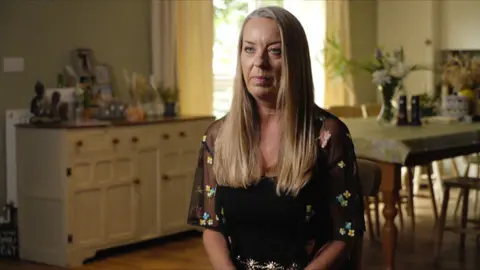
Wall alleged that during the meeting, Sullivan told her that a well-known glamour model was one of his “special friends” and suggested that she could receive similar support if she also became one of his “special friends”.
According to Wall, she immediately rejected the suggestion.
“I told him, ‘If you think I’m going to sleep with you to get in the paper, you’ve got another thing coming,’” she recalled.
Wall said Sullivan appeared surprised by her response and allegedly made a further sexual remark, which she also rejected.
She claimed that when she attempted to leave the room, she discovered the door had been locked.
Describing the experience as frightening, Wall said she demanded that the door be opened while Sullivan urged her to calm down. She alleged that he eventually unlocked the door after telling her she was “going about it the hard way,” allowing her to leave the room and exit the property.
Despite the incident, Wall later appeared in the Sport newspaper. However, she said she was frequently assigned undesirable duties, including working on the publication’s telephone lines.
The BBC reported that it had spoken to two individuals who said Wall told them about the alleged incident, including one person who claimed she disclosed it on the same day it occurred.
In 2023, Wall said she reported the matter to Essex Police, explaining that she hoped doing so might help other women. Six months later, police informed her that no further action would be taken.
Separately, Sullivan was arrested by Essex Police in 2008 on suspicion of sexual assault following an allegation made by a 25-year-old woman. No charges were brought in that case.
Essex Police recently reviewed a number of historical cases involving Sullivan and concluded that there had been insufficient evidence to support criminal charges in each instance.
In one of those cases, a complainant requested a review of the decision not to proceed. While the force upheld the original conclusion, a senior police officer reportedly described the failure to search Sullivan’s property for potential evidence as a “missed opportunity”.
Responding to the latest allegations, Essex Police said tackling violence against women and girls remains a key priority and that all allegations of this nature are treated seriously. The Metropolitan Police also stated that such reports are taken “extremely seriously” and that any information or evidence submitted is assessed before appropriate enquiries are carried out.
The allegations emerging from the investigation are expected to draw attention to the role of England’s new independent football regulator, established last year. The regulator has powers to examine the suitability of current football club owners where concerns arise regarding honesty, integrity or conduct.
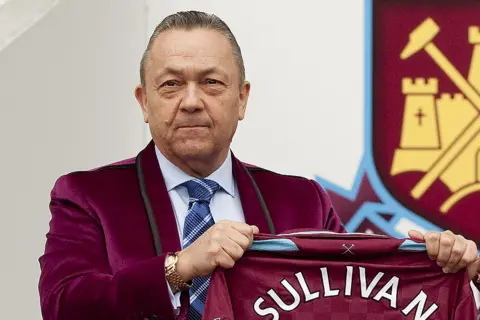
David Sullivan has been the largest individual shareholder of West Ham United since 2010, having previously spent more than 15 years as co-owner of Birmingham City. Until his resignation on Saturday, he had served as the club’s co-chairman throughout his ownership tenure.
In recent years, the Football Association (FA) opened a safeguarding investigation involving Sullivan. While the FA declined to comment on the specific case, a spokesperson said the organisation operates a “robust safeguarding programme” and takes all safeguarding concerns and allegations “very seriously.”
West Ham United has also sought to strengthen its safeguarding and equality commitments. In 2025, the club became the first Premier League side to receive accreditation from White Ribbon UK, a charity dedicated to ending violence against women and girls. The recognition was awarded in acknowledgement of the club’s efforts as an employer to promote positive workplace culture and challenge harmful behaviour.
At the time, former vice-chairman Baroness Karren Brady said West Ham was committed to fostering an environment where inappropriate conduct is challenged and addressed.
Brady, who worked alongside Sullivan for decades and is also widely known for her role as Lord Sugar’s adviser on the BBC television programme The Apprentice, stepped down from her vice-chair position last month with five matches remaining in the season. Her departure came shortly before West Ham’s relegation from the Premier League.
Responding to questions about safeguarding, West Ham said the club has clear and comprehensive safeguarding policies in place. However, it added that it could not comment on any individual safeguarding matter, citing standard industry practice.
In a statement announcing his resignation, Sullivan rejected the allegations made against him. He argued that after spending much of his career in the adult entertainment industry and interacting with thousands of women, it was perhaps inevitable that a small number of misconduct claims would emerge.
He described the allegations as “false” and insisted he was “absolutely not the person the media has decided to paint me as.” Sullivan also indicated that he intends to take legal action against the BBC.
Meanwhile, White Ribbon UK clarified that its accreditation process is focused on evaluating an organisation’s commitment to a three-year action plan aimed at driving positive change. The charity stressed that the accreditation should not be interpreted as an endorsement of, or statement about, any individual associated with the organisation.