Ghana’s fight against the HIV epidemic is undergoing an urgent strategic overhaul, triggered by alarming rates of new infections, particularly among youth who cite persistent stigma and embarrassment as major barriers to using basic preventive tools like condoms.
The Ghana AIDS Commission is rolling out a radical new strategy that combines cutting-edge technology—including AI-powered mobile health guidance—with modern discreet access points and a long-acting injectable drug option to stem the tide of the crisis.
The Youth Stigma Barrier: A Crisis of Access and Embarrassment
Across Accra, the simplest preventive act—purchasing a condom—is fraught with social discomfort that public health experts warn is accelerating the spread of the virus.
Recent confessions from young people highlight how stigma turns a health tool into an avoidance mechanism.
“I do not like condoms. It’s like eating toffee with the wrapper on—how do you enjoy it? I like it raw,” one young man confessed, reflecting a disregard for protection.
Another young person highlighted the severe psychological barrier that inhibits access:
“Most of us feel shy to walk into a pharmacy to buy just a condom.”
These sentiments correlate with troubling national data: the Ghana AIDS Commission recently reported more than 1,500 new HIV infections in early October 2025 alone, with a disproportionate number occurring among young people.
Aggressive New Prevention Strategy: Injectables and Vending Machines
Faced with this epidemic among the youth demographic, the Ghana AIDS Commission is drastically transforming its prevention strategy.
The Director-General of the Ghana AIDS Commission, Dr. Kharmacelle Prosper Akanbong, outlined the urgency of the situation and the planned interventions:
“The current new infections are worrisome. They are between the ages of 15–24. We are developing a new strategy and considering all issues concerning male and female condoms.”
The new approach features a multi-pronged attack on both stigma and access:
- Discreet Access: The Commission plans the immediate introduction of modern, high-tech condom vending machines. Planned locations include high-traffic public gathering spots, nightclubs, popular bars, and tertiary institutions, designed to offer discreet, human-interaction-free access. The Commission notes that many existing vending machines are outdated or malfunctioning.
- AI-Powered Guidance: Youth-friendly AI-powered platforms will soon provide confidential sexual health guidance and HIV information directly through mobile phones, tackling misinformation and promoting informed decisions.
- Long-Term Drug Option: A major pharmaceutical breakthrough is set to be introduced:
“Additionally, we are introducing a preventive drug option—an injection combined with one or two tablets that can protect an HIV-negative person for up to six months,” Dr. Akanbong stated.
Pharmaceutical Sector and Partner Appeals
The Pharmaceutical Society of Ghana (PSG) is championing discreet access via digital platforms. Dr. Harry Okyere Amoaning, Deputy Executive Secretary of the PSG, confirmed the availability of:
“…accredited online platforms… to allow individuals to buy condoms discreetly, reducing embarrassment and helping normalize responsible sexual health behavior.”
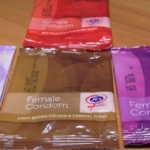
Dr. Amoaning also conducted a practical demonstration on the correct usage of the female condom, a highly effective but underutilized option, emphasizing the urgent need for education to empower young women to control their own protection.
The Ghana AIDS Commission has issued an appeal to development partners and private-sector stakeholders to support the massive rollout of modern, dependable condom vending units, stressing that timely investment is critical to successfully reducing the new infection rate.