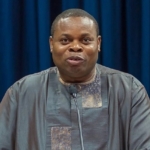
The President of IMANI Africa, Franklin Cudjoe, has thrown a gauntlet to President John Dramani Mahama, demanding that he confront “vested interests” within his own National Democratic Congress (NDC) if the renewed war against illegal mining is to be won.
Appearing on Channel One TV’s The Big Issue on Saturday, December 20, 2025, the policy analyst argued that legislative manoeuvres—including the recent landmark revocation of L.I. 2462—will remain hollow victories unless accompanied by a ruthless internal purge of political actors profiting from environmental destruction.
Mr. Cudjoe’s remarks come just days after a coalition of 17 civil society organisations lauded the government for revoking the Environmental Protection (Mining in Forest Reserves) Regulation.
However, Mr Cudjoe warned that the greatest threat to Ghana’s water bodies and forests is not a lack of law but the presence of powerful “insiders” who treat illegal mining (galamsey) as a protected revenue stream.
“It’s a vested interest. Those who are benefiting are partaking in this illegal trade. I feel very sad that this is still continuing. I hope that we will find common sense one of these days and say enough is enough,” Cudjoe told host Selorm Adonoo.
Directly addressing the President’s resolve, he added, “I believe President Mahama really wants to stop this. Right? If indeed he wants to stop it, he should look out for those vested interests within the party [NDC] who are behind and making this thing continue as a lucrative business.”
The IMANI chief expressed particular alarm over reports that some Members of Parliament have been sighted at mining sites, allegedly justifying their presence by claiming the lands as ancestral or family property.
He warned that such behaviour by lawmakers creates a culture of impunity that no amount of paperwork in Parliament can fix.
“I worry greatly that some MPs have been named to have visited some lands that they thought belonged to their parents. We can repeal all the laws we want, but if we don’t follow it up with real action, I don’t think this thing can be solved any moment from now,” he cautioned.
To transition from rhetoric to results, Mr Cudjoe proposed a radical accountability framework for the president’s executive team.
He suggested that the Minister for Lands and Natural Resources, Emmanuel Armah-Kofi Buah, and heads of security agencies like NAIMOS should be placed on strict Key Performance Indicators (KPIs).
“Seriously, the President’s team must wake up and start doing some serious work. Maybe he should set KPIs on NAIMOS sector ministers; if they don’t get this done within a certain period, then we can question them and probably ask them to leave their positions,” he recommended.
Mr Cudjoe’s critique follows a whirlwind of environmental policy shifts in December 2025:
- December 10: The government successfully revoked L.I. 2462, which previously exposed 89% of forest reserves to potential mining.
- December 15: The Forestry Commission published a “way forward” proposal to address “new-age threats” to forest sustainability.
- December 18: A coalition of CSOs, including A Rocha Ghana and Eco-Conscious Citizens, formally commended the revocation but warned that 80% of forests still face significant risk from chronic encroachment and illegal logging.