Rising crude oil prices above $100 per barrel could soon translate into higher fuel prices across West Africa, according to James Gooder, Vice President for Crude Markets in Europe and Africa at Argus Media.
Oil markets have surged in recent days amid fears that conflict involving Iran, Israel, and the United States could disrupt shipping through the Strait of Hormuz, one of the world’s most important oil transit routes.
Prices briefly neared $120 per barrel earlier in the week before easing slightly, but remain well above recent levels.
“At one point this morning, the price jumped from just under $100 to almost $120 in about twenty minutes,” Gooder told JoyNews research analyst Caleb Ziblim, highlighting the extreme volatility in global oil markets.
The fluctuations reflect growing uncertainty as traders try to gauge how long the conflict might affect supply flows from the Gulf.
For countries across West Africa, the immediate impact is expected in fuel import costs. Despite being oil producers, many nations in the region still rely heavily on imported refined petroleum products such as petrol and diesel.
“The problem is usually double,” Gooder explained. “You have foreign exchange pressures on one side and then the cost of the product on the other.”
Countries like Ghana and Nigeria export crude oil but still import a significant portion of their refined fuel, leaving local markets exposed to global price swings.
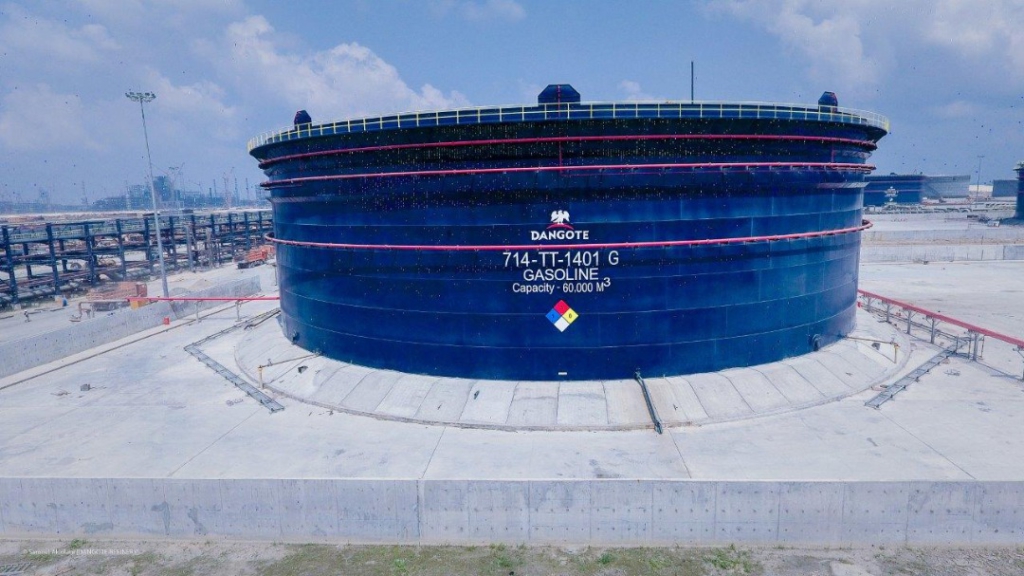
Efforts to reduce import dependence, including the Dangote Refinery in Nigeria and plans to revive the Tema Oil Refinery in Ghana, could help. However, fuel demand across West Africa continues to grow rapidly, keeping markets sensitive to international price shifts.
As a result, international market prices continue to play a key role in determining what consumers pay at the pump across West Africa.
Beyond price swings, James Gooder of Argus Media highlighted a long-standing challenge in the region: limited transparency in oil pricing.
Crude trading in West Africa is often opaque, with little publicly available information on cargo prices and transactions. This lack of clarity makes it harder for buyers, sellers, and regulators to assess fair market value.
“Our job is to gather information on opaque markets and make it accessible to the wider market,” Gooder said.
To tackle this, Argus Media has developed pricing assessments and trading platforms aimed at improving price discovery for West African crude grades, including Jubilee from Ghana and Forcados from Nigeria.
“The goal is to narrow the gap between buyers and sellers in a market where information is often closely held,” Gooder explained.
He added: “More information is better for everyone. It allows buyers and sellers to agree on a price that reflects the true value of the crude.”
Experts warn that greater transparency will become increasingly important as international price volatility continues to affect domestic fuel costs in the region.
If global crude prices remain high and disruptions around the Strait of Hormuz persist, analysts say the effects could ripple quickly through West African fuel markets, potentially leading to another round of price increases for consumers..