A recent investigation by researchers at the Department of Wood Science and Technology, Kwame Nkrumah University of Science and Technology (KNUST) has revealed alarming levels of cancer-causing compounds in older mangrove wood used for smoking fish.
The 2026 study found that aged mangrove wood contains high concentrations of polycyclic aromatic hydrocarbons (PAHs)—organic compounds known to damage genes, increase cancer risk, and pose serious health hazards.
Led by Dr. Kwadwo Boakye Boadu, the research examined the toxicity of PAHs in three age categories of mangrove wood sourced from the Salo market in Keta, Volta Region. The categories included early-rotation wood (8 years), mid-rotation (11 years), and late-rotation wood (14 years), reflecting the typical mangrove fuel wood harvesting cycle of 6 to 15 years.
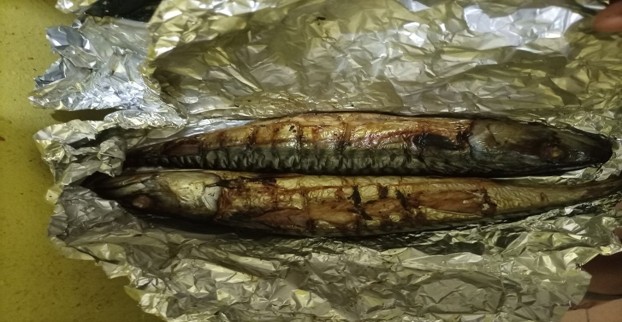
A recent study published by Elsevier B.V. has detected 18 polycyclic aromatic hydrocarbons (PAHs) in mangrove wood used for fish smoking, with concentrations rising as the wood ages.
Four of these PAHs—Chrysene, Benzo[a]anthracene, Benzo[b]fluoranthene, and Benzo[a]pyrene—classified by the European Commission as probable carcinogens, were found in the wood samples. While the concentration of Benzo[a]pyrene remained within EU limits of 1.0 microgram per kilogram, the combined levels of the four PAHs exceeded the EU safety threshold of 12.0 micrograms per kilogram in fish smoked with 14-year-old wood, reaching 12.5 micrograms per kilogram.
Dr. Boakye, one of the researchers, explained the risk:
“If you wait until the wood is around 14 years old before harvesting, the amount of PAHs produced when burning it for smoking fish becomes high. This results in significant deposits in the fish, making it unhealthy.”
The study also measured levels of heavy metals, including cadmium and lead, which were found to surpass EU safety thresholds.
The use of mangrove wood in fish smoking has long raised concerns among environmentalists. However, fishmongers continue to rely on it due to its slow-burning properties, strong flavour, and easy availability.
To address the health risks, researchers recommend improved fish smoking practices and guidelines on selecting wood based on age. Ideally, younger wood should be used if mangrove remains the preferred fuel for fish smoking.