More than 100 people have died in a Pakistani air strike on a drug rehabilitation centre in Kabul, according to forensic laboratory sources cited by the BBC.
Officials at the Kabul Forensic Medicine Department said some victims were injured beyond recognition, while Taliban authorities have reported even higher casualty figures. The United Nations has called for a swift and thorough investigation into the incident.
Pakistan denied targeting the facility intentionally, stating that its strikes were aimed at military installations and terrorist support infrastructure.
The cross-border conflict between the two countries resurfaced last month, with Pakistan accusing Afghanistan of sheltering militants who attacked its territory—a claim denied by Kabul.
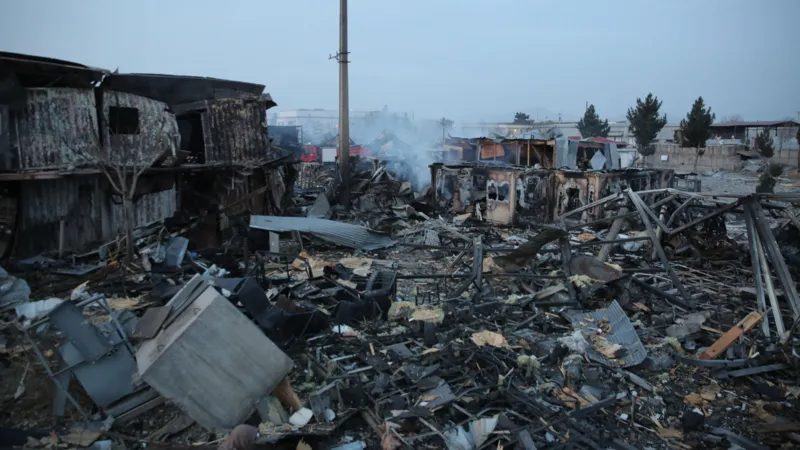
The UN Assistance Mission in Afghanistan (UNAMA) has condemned a strike carried out by Pakistani forces on the Omid Addiction Treatment Hospital in Kabul.
“UNAMA reiterates its call for de-escalation and an immediate ceasefire, and urges all parties to comply with their obligations under international law to protect civilians,” the mission said in a statement.
Officials at the rehabilitation centre reported that around 2,000 people were receiving treatment at the time of the attack, raising fears of hundreds of casualties.
Afghan health ministry spokesman Sharafat Zaman Amarkhail told the BBC that there were no military facilities near the hospital. Residents in Kabul reported hearing loud explosions at around 20:50 local time (16:20 GMT) on Monday, followed by the sound of aircraft and air defence systems.
Family members gathered outside the facility, desperately trying to find information about their loved ones.
A Taliban government spokesperson said the death toll had reached at least 400, although the BBC has not independently verified these figures. A reporter at the scene observed more than 30 bodies carried out on stretchers Monday evening.
Pakistan’s information ministry defended the strikes in Kabul and the eastern province of Nangarhar, describing them as “precise and carefully undertaken to avoid collateral damage.” It dismissed Afghanistan’s claims as “misreporting of facts” intended to stir public sentiment while obscuring Pakistan’s fight against cross-border terrorism.
The Omid Addiction Treatment Hospital occupies an area that was formerly a US military base and later became a well-known hangout for drug users. After the Taliban returned to power in August 2021, the site was converted into a rehabilitation centre, housing drug users rounded up from across the capital.
Rescue teams continued searching for survivors into Tuesday. By morning, the scale of the destruction was visible: flattened debris, scattered blankets and shoes, and charred, blown-out windows marked the aftermath of the strike.
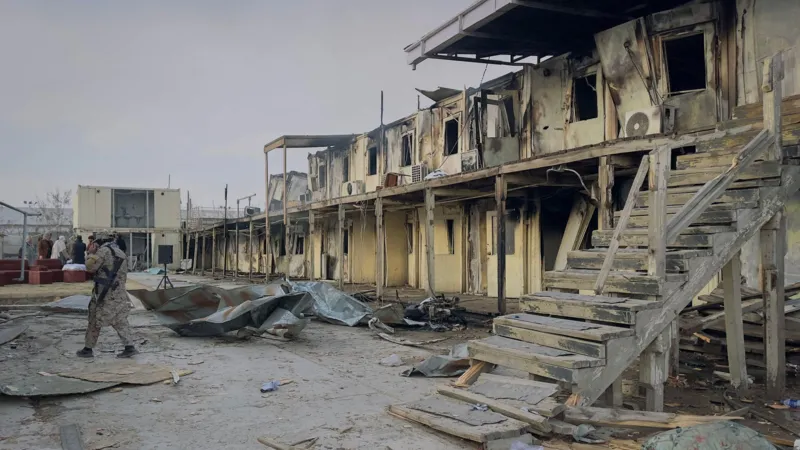
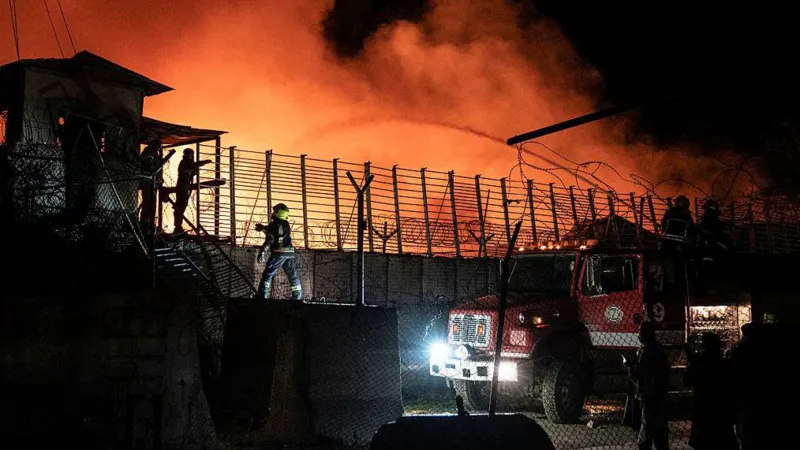
Violence has flared once again between Afghanistan and Pakistan, months after both sides agreed to a ceasefire in October.
According to UNAMA, at least 75 people have been killed and 193 injured in ongoing cross-border clashes between 26 February and 13 March 2026.
China, which has been actively seeking to ease tensions, confirmed that Foreign Minister Wang Yi spoke with his Afghan and Pakistani counterparts over the past week.
Beijing called for a ceasefire “at the earliest opportunity”, urging both countries to “remain calm and exercise restraint” and to engage in **face-to-face talks as soon as possible.”