Students in Ghana are being encouraged to take a more active role in tackling climate change through education, partnerships, and practical action.
The call was made at the launch of the Ghana Green Scholars Programme in Accra, an initiative designed to empower young people to contribute meaningfully to climate action and environmental sustainability.
Organised by the Pan African Centre for Climate Policy in collaboration with Drasi Africa, the programme brought together students from St. Thomas Aquinas Senior High School and Presbyterian Senior High School–La, along with key stakeholders, to explore solutions to pressing environmental challenges.
Country Director of Drasi Africa, Deborah Nissi Diafo, said the initiative aims to build a network of young leaders committed to climate action. She noted that climate change remains one of the most urgent global issues, with vulnerable communities—especially young people—bearing the brunt of its impact.
Also speaking at the event, Deputy Mining Director at the Environmental Protection Agency, Patrick Essien, stressed the importance of equipping young people with the knowledge and skills needed to address environmental challenges.
He added that sustainability efforts must extend beyond institutions and actively involve young people, who will ultimately shape the future.

Also speaking at the event, a representative of PACCP, Rev. Dr. Kwame Frimpong, underscored the importance of partnerships in addressing climate change. He noted that collaboration between institutions in Ghana and countries such as Canada could help strengthen resilience strategies and encourage meaningful policy dialogue.
Rev. Dr. Frimpong added that the initiative would raise awareness and provide a platform for students to take collective action.

He stressed the importance of involving young people in environmental education and climate conversations, noting that such platforms give students the opportunity to play an active role in protecting the environment.
The programme will feature a series of dialogues in the coming months, focusing on climate change and biodiversity laws. Participants have also been encouraged to collaborate, build partnerships, and work together to drive sustainable solutions.
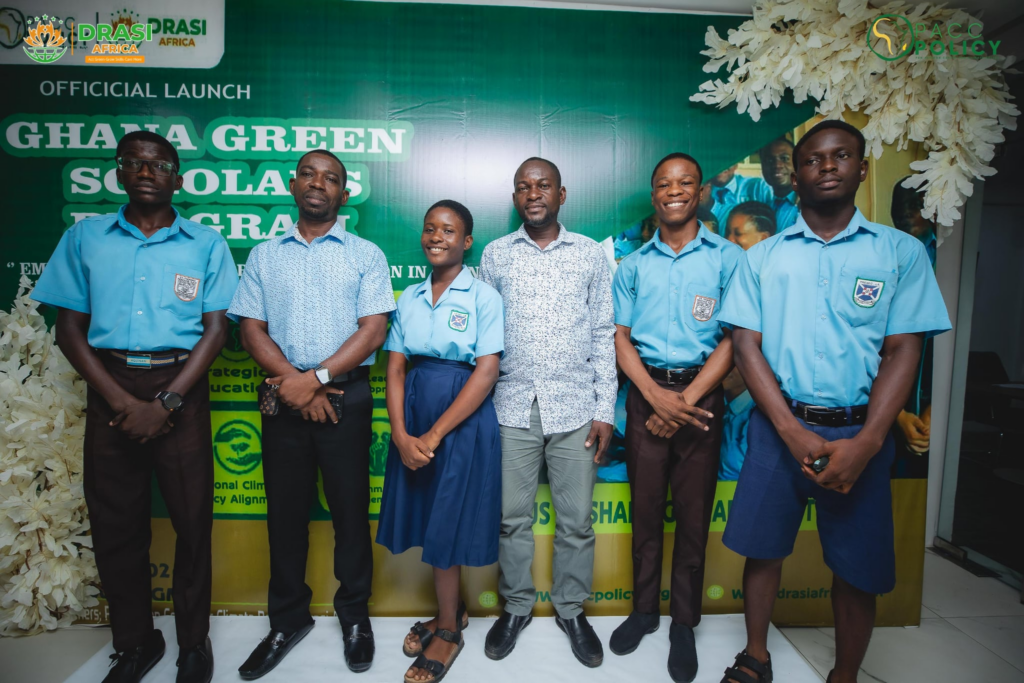
Students who took part in the programme expressed appreciation for the opportunity, saying it had helped them better understand how their everyday actions impact the environment. They also pledged to adopt more responsible habits to help address climate change.