The Alliance for a Green Revolution in Africa (AGRA) has developed climate vulnerability maps alongside a risk analysis toolkit to support climate adaptation efforts in Ghana’s agriculture sector, particularly for maize and cassava production.
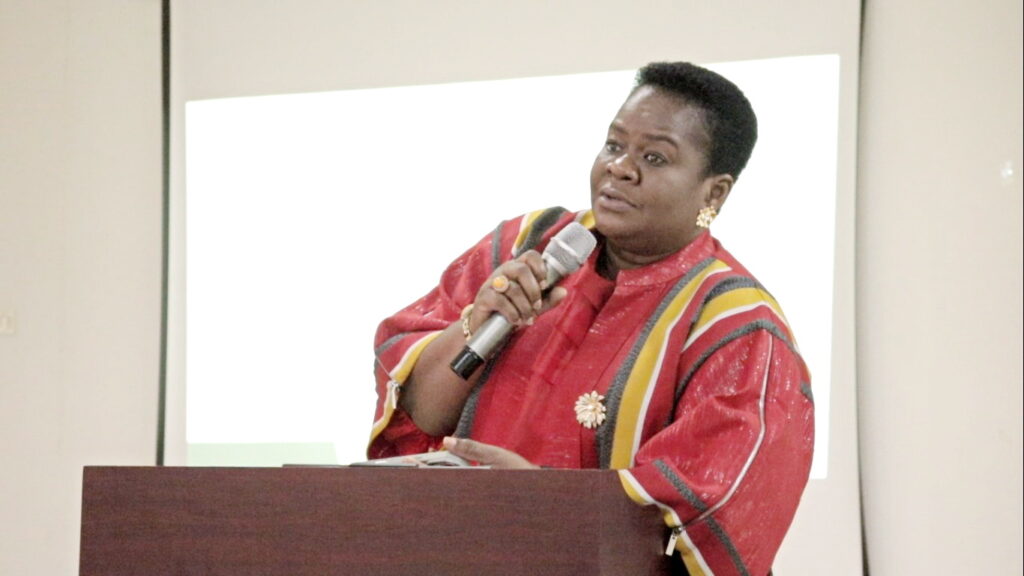
The tools were presented at a validation workshop aimed at guiding investment decisions and strengthening evidence-based planning for climate-smart agriculture. Speaking at the event, AGRA’s Country Director in Ghana, Dr Betty Simawua Annan, stressed the importance of incorporating gender-responsive measures into adaptation strategies to ensure more inclusive and effective outcomes.
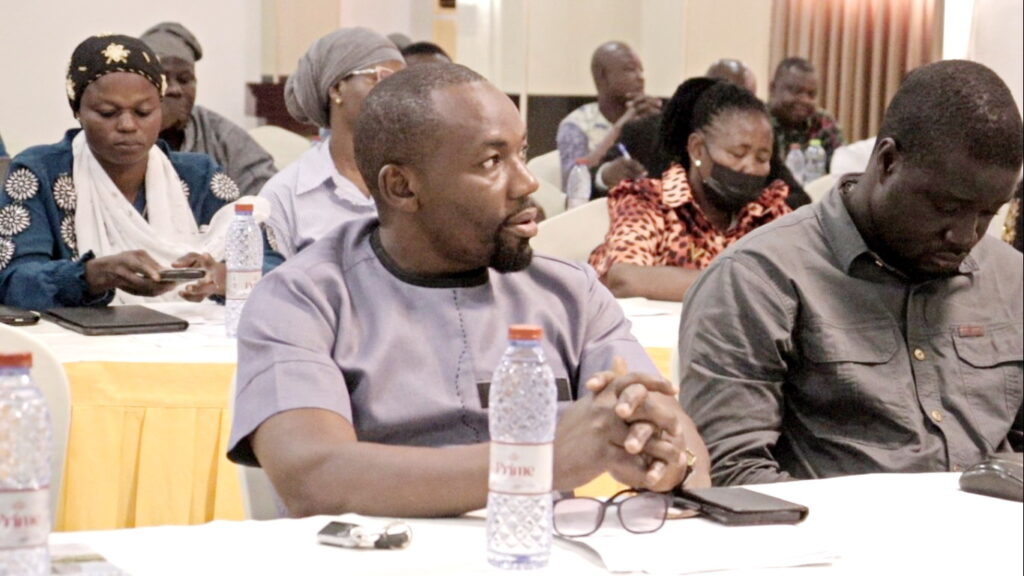
She emphasised that gender considerations are central to the approach, noting that adaptation planning is being designed to reflect the different impacts of climate change on men and women.
“To ensure a holistic approach, we are integrating gender-responsive measures into the adaptation planning,” she said.
According to her, the toolkit is expected to strengthen climate response efforts while supporting more informed, climate-smart agricultural planning and investment decisions.
Dr Simawua Annan further stressed the need for stronger coordination and improved climate risk governance at all levels. She noted that the high-resolution climate risk and vulnerability maps developed under the initiative would help drive evidence-based decision-making in agriculture and related investments.
She disclosed that AGRA is currently engaging the Ministry of Food and Agriculture (MoFA) to align the initiative with the National Climate Change Taskforce, with the aim of integrating it into national policy planning and ensuring it remains regularly updated.
The Country Director also revealed that a brochure highlighting climate vulnerability and gender inequality has been developed to help translate data into inclusive, practical action. In addition, a draft policy brief has been prepared and is now open for stakeholder input.
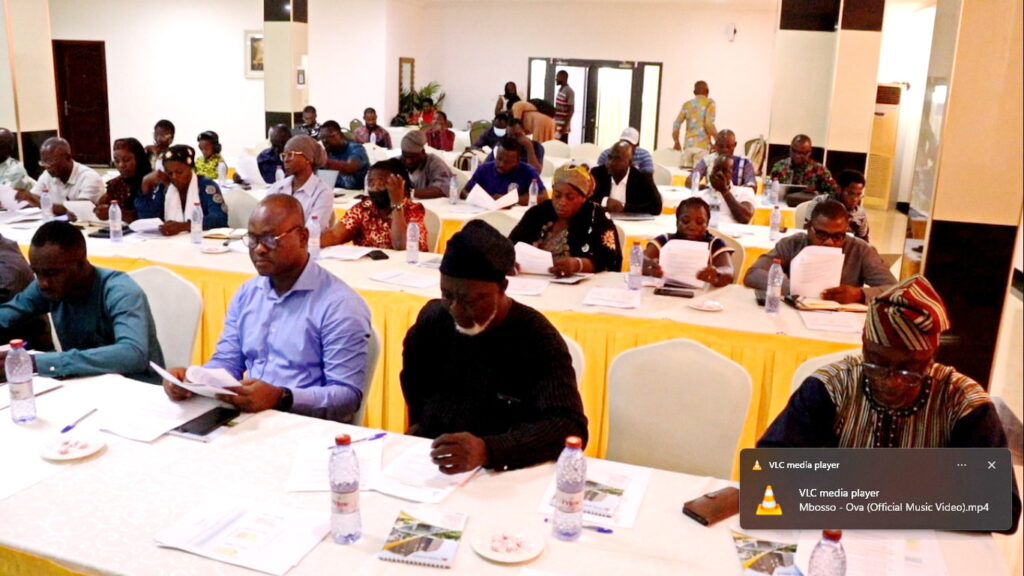
She urged participants to actively contribute to the session, encouraging them to share thoughtful insights and honest feedback.
“We would kindly request that you provide critical inputs and objective feedback and make this session as interactive as possible,” she said, noting that all contributions would be considered in refining the toolkit to ensure its effective use.
She also expressed appreciation to the consultants supporting the rollout of the climate vulnerability tool, as well as her team for their dedication and hard work.