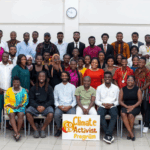
Building on the success of the 2024 cohort, the Climate Development and Knowledge Network (CDKN) Ghana, in partnership with Youth Empowerment for Life (YEFL-Ghana) and Ghana Venskab, has completed the 2025 Climate Activists Programme (CAP25), a ten-day residential bootcamp at Ensign Global College.
The programme equipped 40 young leaders from across Ghana to design and deliver locally led climate solutions.
This year’s programme featured a comprehensive curriculum designed as an intensive mix of theory and practical application. It blended general courses with global-to-local contexts and included thematic masterclasses on green entrepreneurship, advocacy, research, and creative arts. The curriculum combined climate science and policy training with practical project planning, leadership coaching, and creative storytelling.
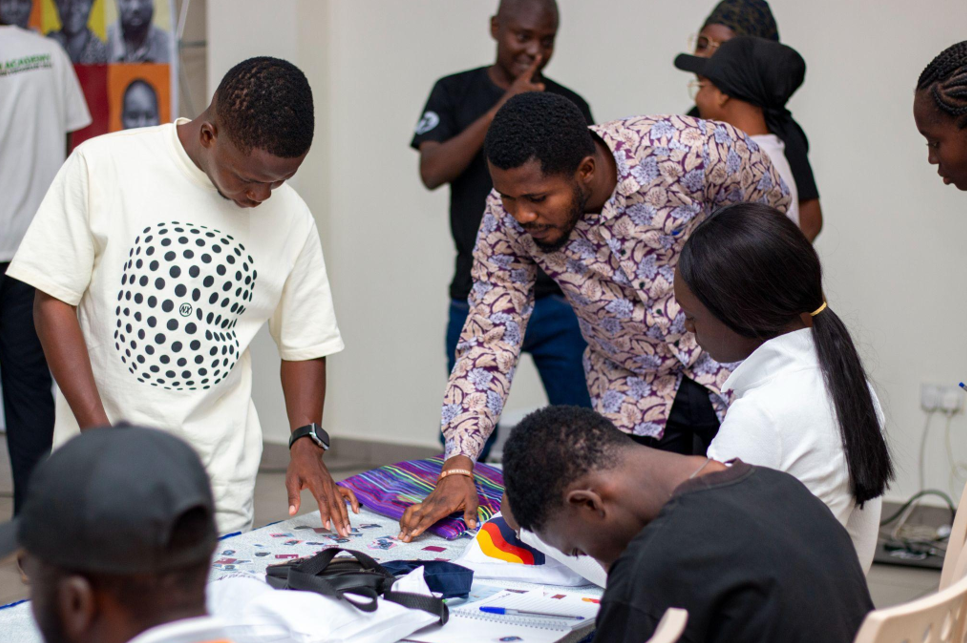
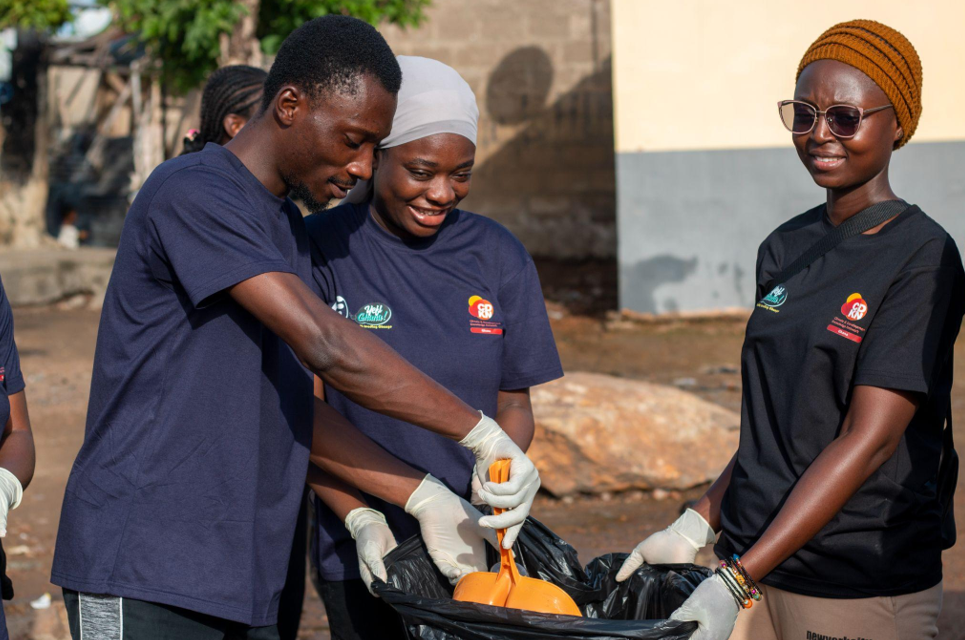
The programme also included a community clean-up exercise in commemoration of the National Cleanup Day, an educational field trip, and an art day, culminating in a graduation ceremony to transition fellows into the idea implementation and mentorship phase.
In reflection, the Country Engagement Lead for CDKN Ghana, Dr. Prince Ansah, emphasised that “The role of knowledge from a global perspective, and hinged on contextual evidence is important in ideating what type of action individuals take to address climate change impacts.”
He added that, “the goal is to be very intentional when it comes to regional inclusion, hinged one the core principles of gender and social equity.”
As part of ensuring regional balance, inclusivity from both a gendered and social lens, fellows were selected from both the Northern and Southern blocs of Ghana, with a deliberate outreach to underrepresented regions.
Technical inputs were provided by strategic national and international partners, including the Environmental Protection Agency’s Adaptation & Vulnerability Secretariat, the Office of the Minister of State for Climate Change & Sustainability, the UNFCCC Regional Collaboration Centre, UNEP in Ghana, and the Green Africa Youth Organisation.
Beyond classroom instruction, CAP25 focused on applied practice, allowing fellows to develop and refine community-based climate project concepts through peer learning, expert feedback, and end-of-bootcamp presentations.
The programme yielded significant gains in participants’ capabilities, with fellows affirming improved knowledge in climate literacy, policy, communication, and storytelling. Project management and advocacy skills also contributed strongly to overall skill development.
Fellows shared their experiences on how the bootcamp enhanced their skills and shaped their perspectives on climate action across different fields.
“Before CAP25, climate policy felt distant from everyday problems in my community. Now armed with new knowledge and a stronger network, I’m committed to advancing climate research that informs policy, empowers communities, and inspires collective action,’’ Mayfair Obeng-Gyimah, Southern Fellow, said.
“My thoughts on climate change being too technical have changed. Facilitators have whipped me up to critically engage in exercises and group work that enabled me to refine my eco-friendly project. And the knowledge gained has supported me to develop a project that promotes sustainability,” Aminu Gafaru, Northern Fellow, said.
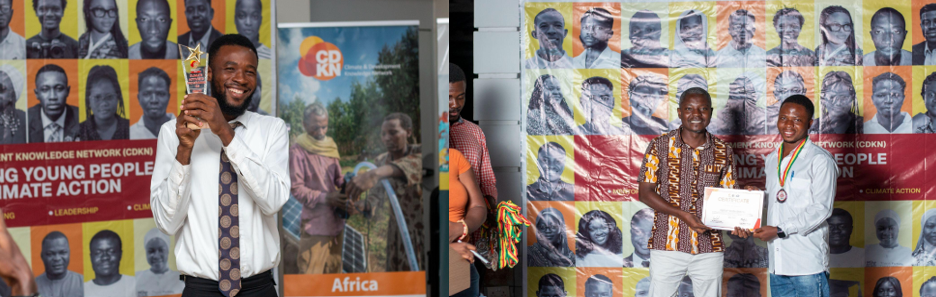
Key lessons from CAP25 will continue to inform future editions of the programme, including the need to sustain the blended learning model, strengthen targeted support for women in northern Ghana, and extend mentorship and seed support to move promising concepts into pilot projects.
Next steps include structured post-bootcamp coaching, partner matchmaking, and follow-up fieldwork to track project implementation and outcomes.
The programme continues to deepen youth leadership for climate action, positioning its fellows to make meaningful contributions to Ghana’s climate priorities while growing a network of practitioners skilled in transforming contextual climate evidence into tangible, local-level action