Fairafric Ghana Limited has taken a significant step to support neonatal care in Suhum by donating essential life-saving equipment to the Suhum Government Hospital.
The initiative addresses critical gaps in the hospital’s neonatal intensive care unit (NICU), where premature babies—born before 37 weeks of gestation—face a high risk of mortality.
In Ghana, preterm births account for approximately 14.5% of deliveries, with mortality rates reaching 18.9% in certain regions.
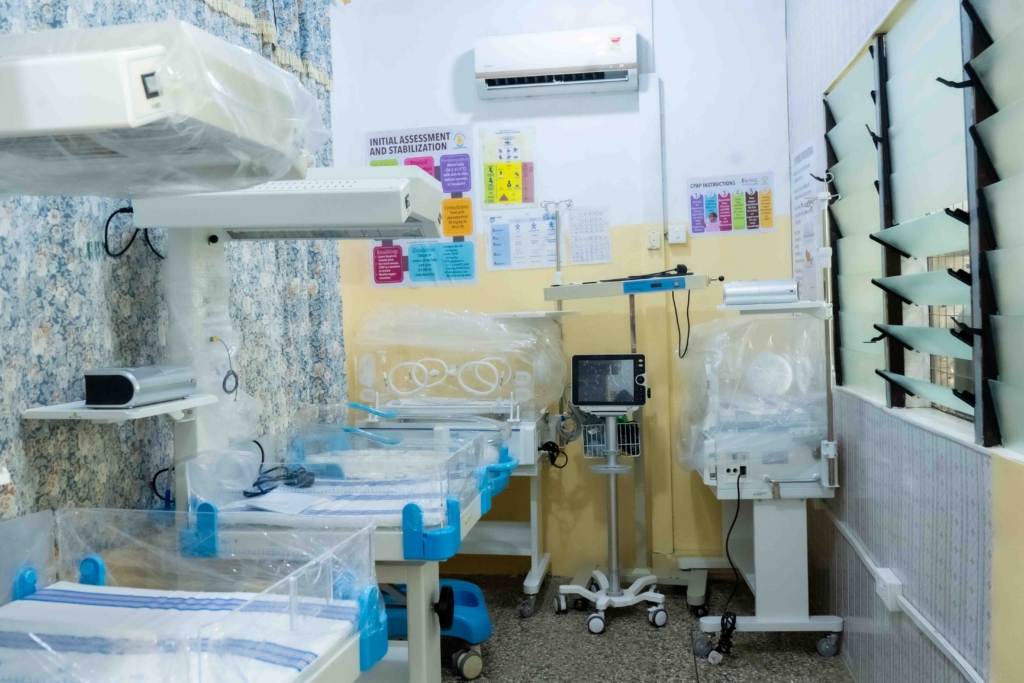
For years, the NICU at Suhum Government Hospital has struggled to cope with limited resources. Premature infants often arrive in critical condition, but the hospital’s lack of incubators, radiant warmers, and other essential neonatal equipment has made care challenging.
Currently, the unit operates with only one functional incubator, serving five communities including Suhum. On average, seven out of ten preterm babies are transferred monthly to the regional capital for care due to this shortage.
Nurses often improvise, sharing machines and using bottles with tubing to deliver oxygen, working under intense pressure while families wait anxiously.
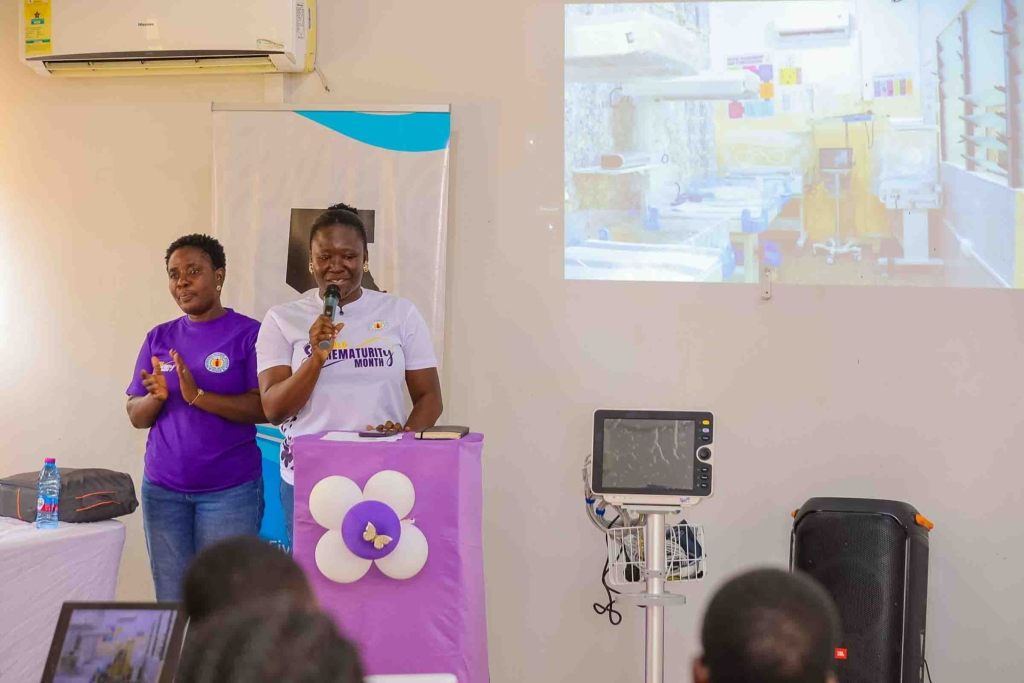
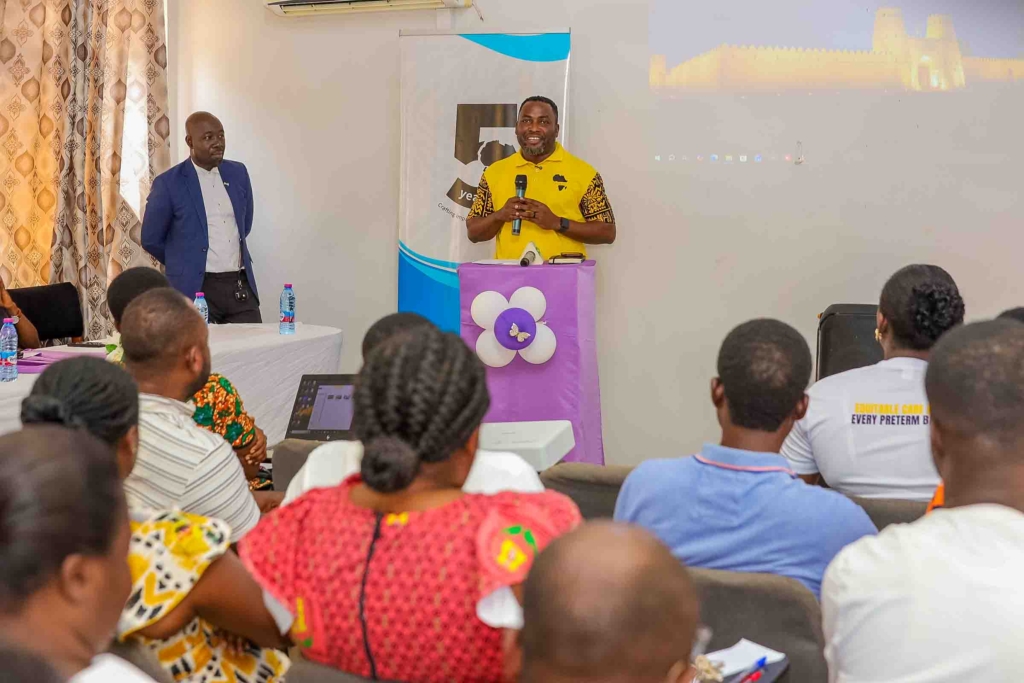
In celebration of its fifth anniversary, Fairafric, producers of made-in-Ghana chocolate and based in Amanase-Suhum, launched a campaign to raise funds for the hospital.
Led by Managing Director Michael Marmon-Halm, the company, in collaboration with its partners, successfully acquired essential neonatal equipment for the facility.
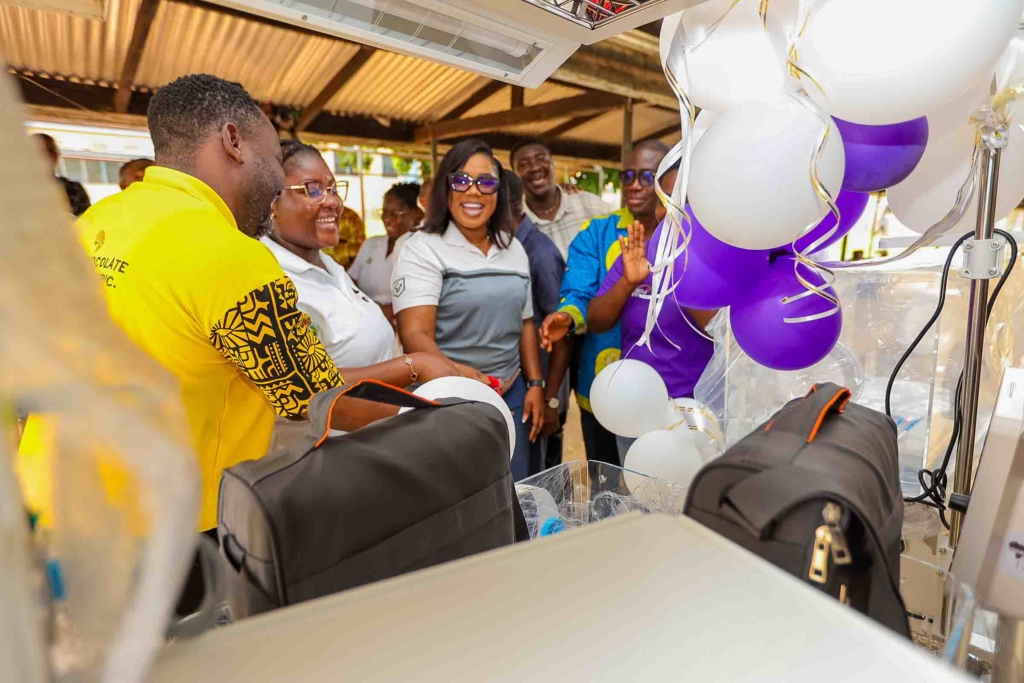
On Friday, 28th November 2025, Fairafric officially handed over two incubators, two radiant warmers, two CPAP machines, and a patient monitor to the hospital in a formal ceremony.
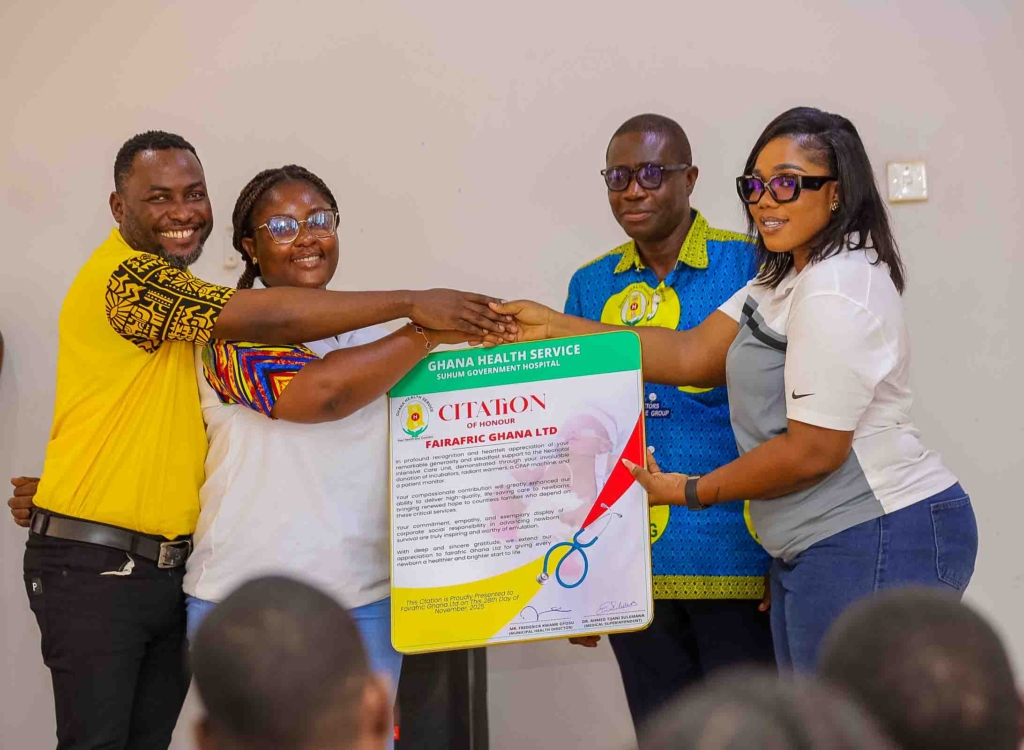
The Municipal Health Director, Mr Frederick Kwame Ofosu, alongside the hospital administration, welcomed the donation, highlighting the life-saving impact of the equipment. “These additions will significantly reduce preventable complications and give premature infants a stronger chance of survival,” he said.
Also present at the ceremony, Hon. Lydia Sarah Ohenewa, Municipal Chief Executive, expressed her gratitude to Fairafric and its partners, emphasising the positive effects the equipment would have on the wider community.

For Fairafric, the handover underscores the company’s commitment to improving lives in surrounding communities. Its corporate social responsibility strategy, centred on health, education, and infrastructure, reflects the belief that businesses have a role to play in uplifting communities and addressing pressing social challenges.