Ghana and Serbia have reaffirmed their commitment to deepening cooperation on family welfare and child protection following a bilateral meeting in New York.
The discussions took place on the sidelines of the 70th session of the United Nations Commission on the Status of Women at UN headquarters, bringing together Ghana’s Minister for Gender, Children, and Social Protection, Agnes Naa Momo Lartey, and Serbia’s Minister for Family Welfare and Demography, Jelena Zaric Kovacevic.
Both ministers focused on enhancing collaboration and sharing best practices in areas including family systems, child protection, population management, and social protection policies.
In her opening remarks, Ms Kovacevic welcomed the Ghanaian delegation and described the meeting as a valuable opportunity for both countries to exchange ideas and learn from each other on family welfare and demographic issues.
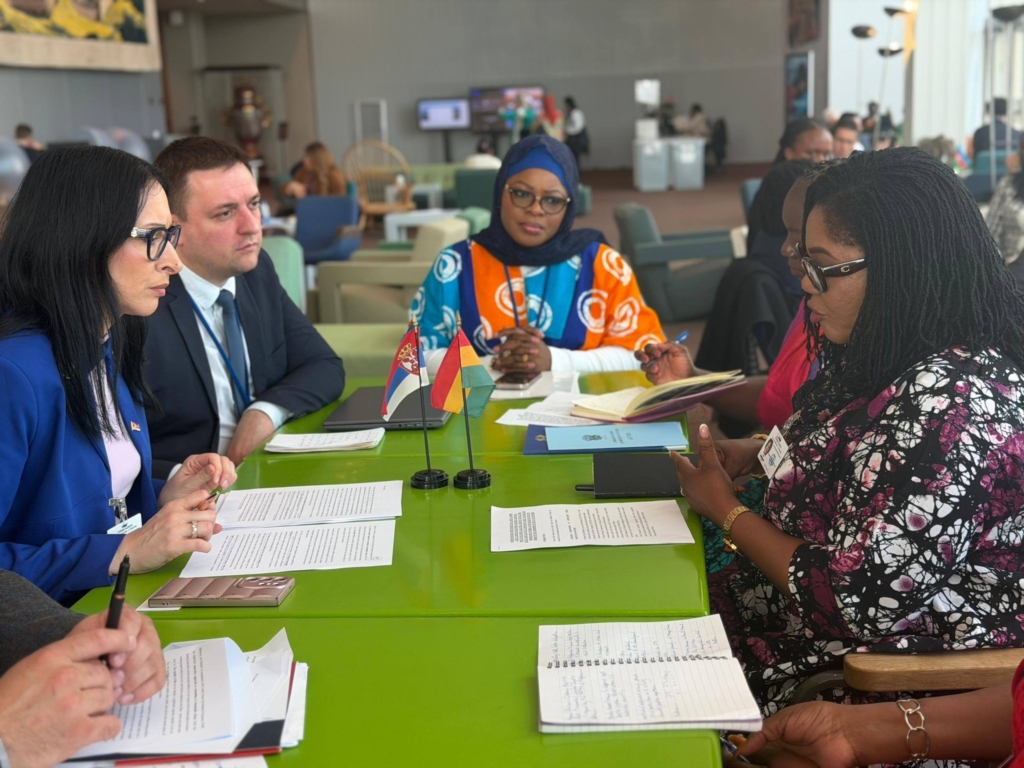
She highlighted the importance of international collaboration in tackling social challenges affecting families and children.
Dr. Lartey, for her part, noted that Ghana has traditionally relied on an extended family system, which has long provided strong support for households.
However, she acknowledged that changing social and economic conditions are driving a gradual shift toward nuclear family structures.
The minister explained that Ghana is addressing population and family welfare issues through a range of policy measures and legal frameworks designed to promote sustainable development and protect vulnerable groups.
She outlined key government initiatives aimed at enhancing child protection and social welfare, including the Revised Early Childhood Care and Development Policy, the National Care Reform Roadmap (2024–2028), the National Child and Family Welfare Policy, the National Gender Policy, and the Social Protection Act.
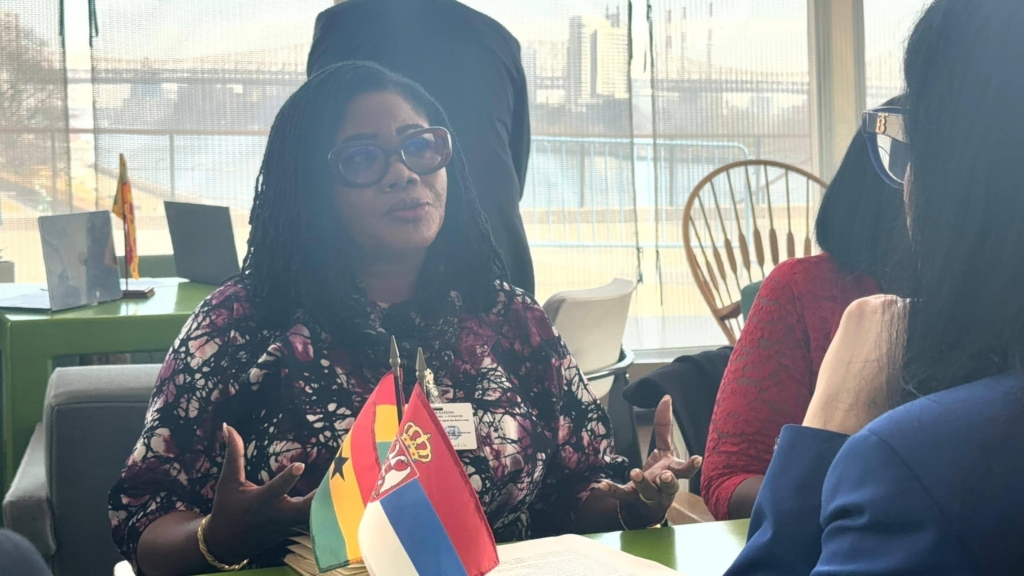
Dr. Lartey emphasized that Ghana’s Ministry of Gender, Children, and Social Protection plays a key coordinating role in ensuring social protection programmes reach the country’s most vulnerable populations.
Ms. Kovacevic highlighted the importance of an inter-sectoral approach to family and child welfare, explaining that in Serbia, her ministry works closely with other institutions, including the Ministries of Internal Affairs and Education, to address social protection challenges.
She added that while financial resources are vital, effective social protection also depends on strong policies, coordinated institutions, and well-structured programmes.
Both ministers agreed to deepen collaboration between their ministries on family and child protection initiatives and to explore opportunities for capacity building for social welfare professionals.
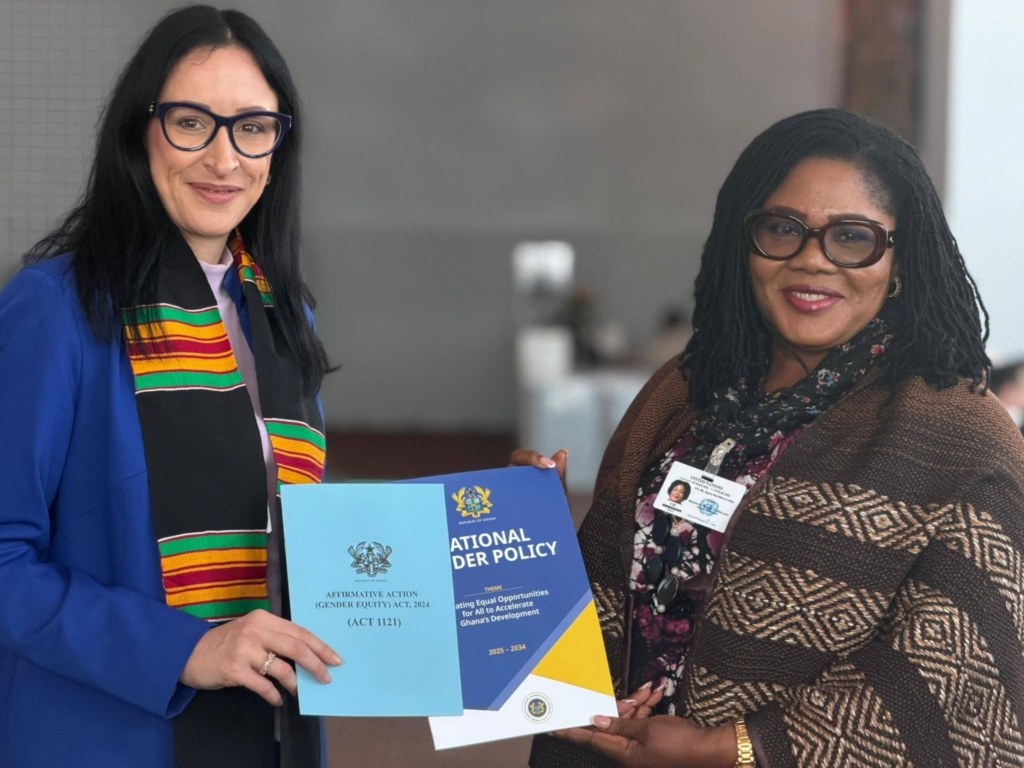
The ministers also agreed to strengthen data systems to support evidence-based policymaking and enhance the delivery of social protection programmes.
The meeting offered both countries a platform to exchange experiences and identify opportunities for collaboration in advancing family welfare and child protection.
During the discussion, Ms. Kovacevic invited Dr. Lartey to attend an international conference in Serbia scheduled for December 2026, where she is expected to share Ghana’s experiences in family systems and social protection.