
A new digital tool unveiled at Ghana Digital and Innovation Week (GDIW) 2025 is set to transform how entrepreneurs access and understand government policies that shape business activity in the country.
The Ghana Entrepreneurship Policy Chatbot, known as Gepbot, was launched as a response to long-standing challenges faced by entrepreneurs, particularly startups, in navigating complex regulatory and policy frameworks. While policy information exists, it is often buried in lengthy documents, spread across multiple institutions and written in technical language that many founders find difficult to interpret.
Gepbot is designed to close that gap by providing entrepreneurs with quick, clear and reliable answers to policy-related questions, helping them make informed decisions without the delays and confusion that often slow business growth.
The chatbot is an initiative of the Digital Transformation for Inclusive Entrepreneurship in Ghana (DTEG) programme, funded by the German Federal Ministry for Economic Cooperation and Development (BMZ) and implemented by Deutsche Gesellschaft für Internationale Zusammenarbeit (GIZ) GmbH. It aligns with DTEG’s broader objective of strengthening digital skills, improving access to information and supporting inclusive economic growth and job creation.
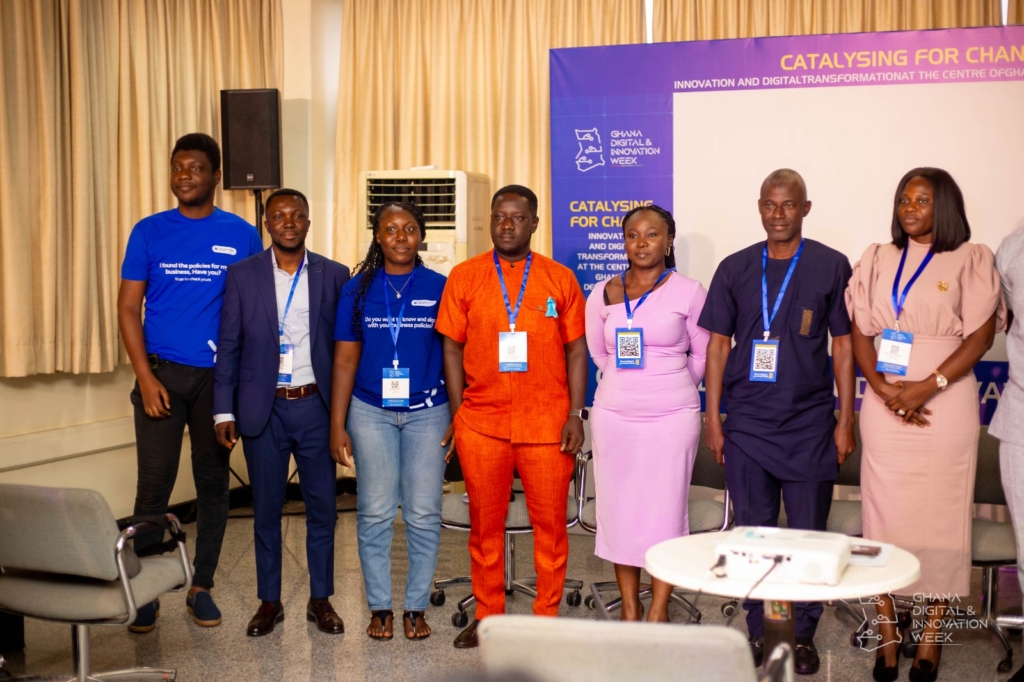
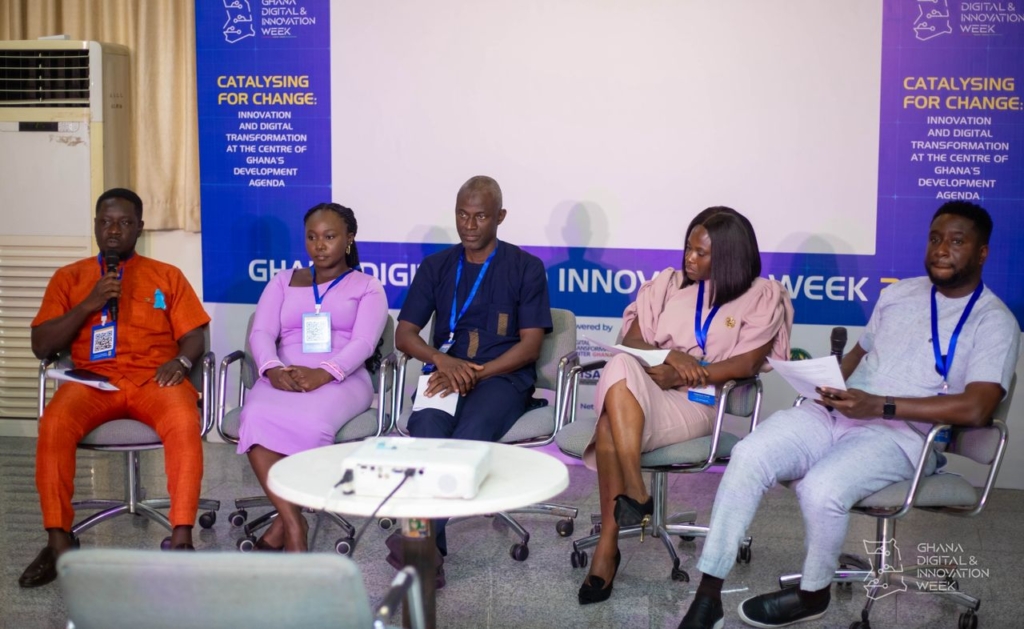
The need for such a tool was underscored during a panel discussion held at the launch, which brought together representatives from the Food and Drugs Authority (FDA), Ghana Standards Authority (GSA) and Ghana Enterprises Agency (GEA). The discussion highlighted recurring obstacles faced by entrepreneurs, including uncertainty around certification requirements, confusion over regulatory standards, and delays caused by incomplete or misunderstood documentation.
Panelists noted that many entrepreneurs are not failing to comply out of negligence, but rather because they struggle to access or correctly interpret the information required. Several misconceptions about regulatory processes were addressed during the session, offering practical clarity that participants said is rarely available in a single forum.
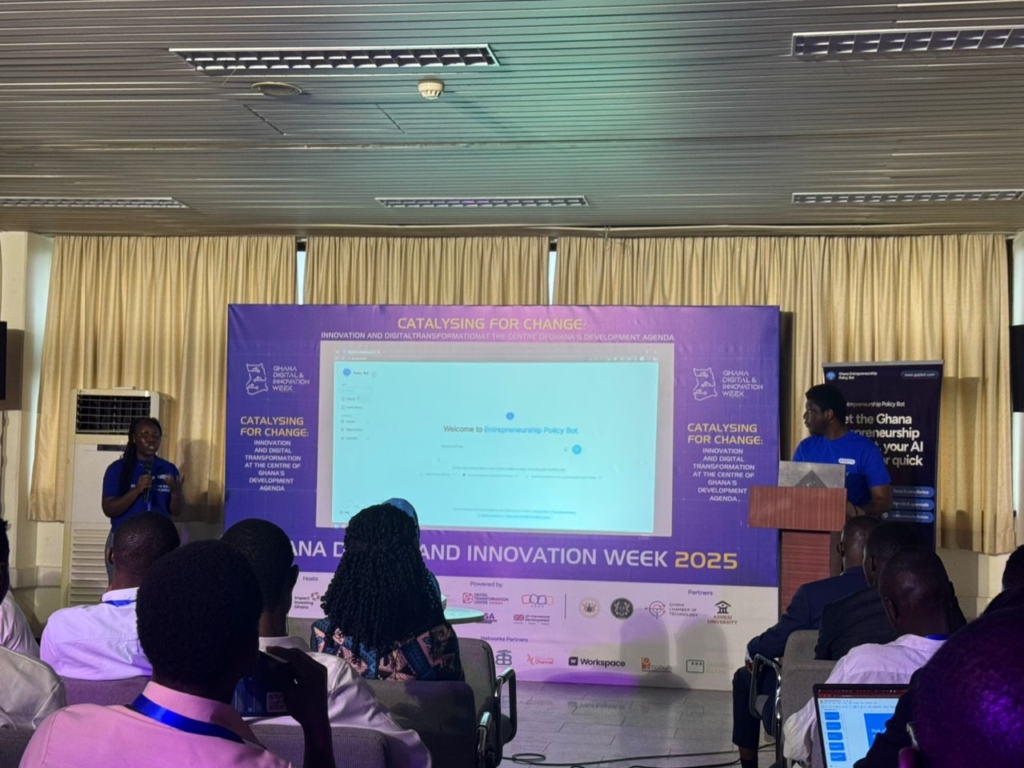
Observers at the event said the discussion reinforced the value of an on-demand tool that can provide consistent guidance and reduce avoidable bottlenecks. Gepbot aims to do just that by translating policy frameworks into accessible, user-friendly responses, informed by policy experts, partner institutions and feedback from entrepreneurs themselves.
The chatbot was developed by mNotify in collaboration with key ecosystem actors, programme implementers and policy specialists. Developers say the tool was shaped through continuous validation and user testing to ensure it reflects real-life entrepreneurial experiences rather than abstract policy assumptions.
For Ghana’s entrepreneurship ecosystem, the launch of Gepbot represents more than a technological innovation. Stakeholders described it as a step toward greater transparency, clarity and accessibility in public sector engagement with businesses, areas long identified as critical gaps.
For mNotify, the project marks a strategic expansion beyond communication services into artificial intelligence-driven tools aimed at enhancing public service delivery and digital inclusion.
Developers say Gepbot will continue to evolve as more users engage with the platform and as public institutions contribute updated content and insights. The long-term goal, they note, is to equip entrepreneurs with the clarity they need to build and grow their businesses confidently, without the guesswork that has hindered many in the past.
Entrepreneurs, innovation hubs and support organisations can access the chatbot at www.gepbot.com.