
The National Premix Fuel Secretariat has announced plans to scale up the Premix Accountability Series nationwide in early 2026, following what officials describe as a successful pilot in three Western Region communities.
Administrator Ebow Mensah said the initial engagements in Sekondi, New Takoradi, and Abuesi represent only a small fraction of the over 300 landing beaches supplied with premix fuel across the country.
“This is not the end of the accountability series,” he said. “We have only done three communities. Come early 2026, we are going to ensure that all metropolitan and municipal chief executives are notified so that this happens across the country.”
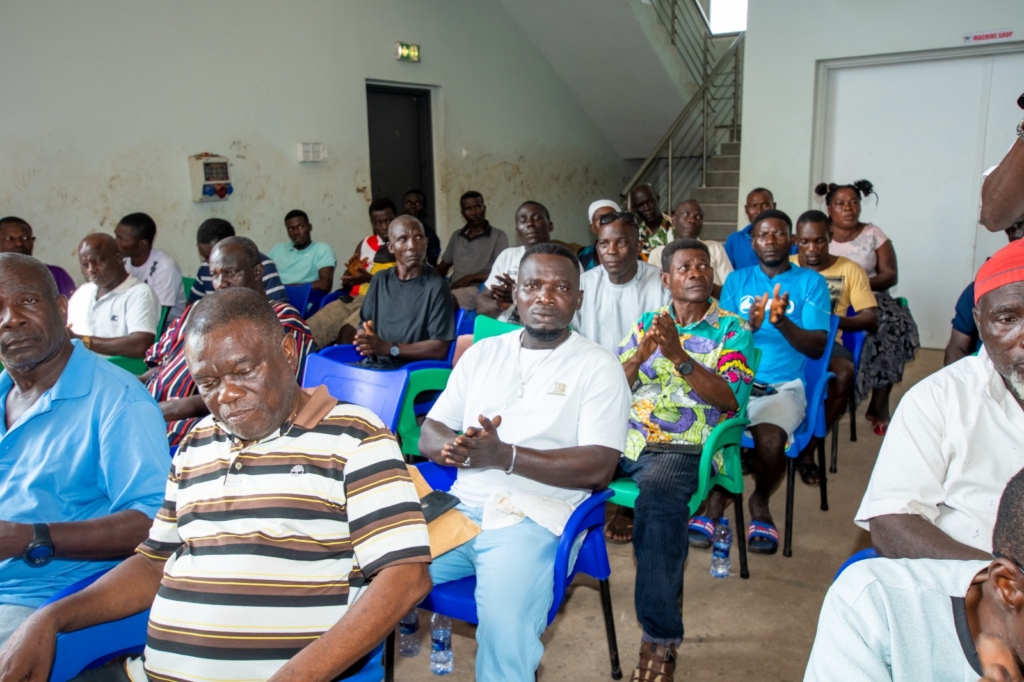
He explained that MMDCEs are legally mandated to oversee the operations of landing beach committees and are expected to play a stronger role in enforcing transparency.
Mr. Mensah also issued a warning to committees that operated between 2017 and 2024 but failed to render accounts to their communities.
“For those that have not engaged their communities or accounted for how the community funds were used, we will deal with them,” he said, adding that chief fishermen would be empowered to demand accountability at the local level.
On operational challenges, Mr. Mensah cited intermittent premix shortages, often linked to liquidity constraints faced by bulk distribution companies, as well as poor record-keeping at some landing beaches.
To address this, the Secretariat has introduced a Premix Fuel Returns Booklet to standardize documentation of fuel receipts, sales, profits, and the 53 percent community share.
“This is basic arithmetic,” he said. “We believe everyone can do it with the right tools. That is why we have introduced a single booklet and logbook system to track all transactions.”
He expressed optimism that consistent accounting and public reporting would strengthen confidence in the premix system and protect the long-term sustainability of the subsidy.