The Ghanaian government has released GH¢139.33 million under its Livelihood Empowerment Against Poverty (LEAP) programme to support 350,580 vulnerable households across the country, the Ministry of Gender, Children and Social Protection has said.
The funding is expected to benefit an estimated 1.5 million people, providing financial assistance to some of the country’s most disadvantaged groups amid ongoing economic pressures.
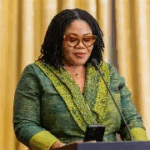
The announcement was made in Accra by the Minister for Gender, Children and Social Protection, Agnes Naa Momo Lartey, during a press briefing on the latest phase of the programme’s implementation.
Ms Lartey said the payment represents the 96th cycle of LEAP cash grant disbursements, which are designed to offer regular financial support to poor and vulnerable households.
“The LEAP programme remains a critical intervention for easing economic hardship among indigent households and strengthening household resilience,” she said.
Introduced in 2008, LEAP is Ghana’s flagship social protection programme and provides bi-monthly cash transfers to eligible households. The initiative aims to improve living standards while supporting access to basic needs such as food, healthcare and education.
According to the minister, the latest disbursement reflects the government’s continued commitment to protecting vulnerable populations, particularly in the face of rising living costs.
She also pointed to increased funding in the 2025 national budget, which she said had strengthened the programme and made it possible to expand its coverage.
Figures from the 2025 Budget Statement show that allocations to LEAP have risen from approximately GH¢728.8 million in 2024 to about GH¢953.5 million this year, representing a significant increase in social protection spending.
Ms Lartey said the enhanced budget would allow the government to reach more households in future payment cycles, with plans underway to expand coverage to around 400,000 households nationwide.
“The increase in funding enables us to deepen the impact of the programme and extend support to more families who need it,” she said.
Beneficiaries of LEAP include households caring for orphans and vulnerable children, elderly people aged 65 and above without caregivers, persons with severe disabilities who are unable to work, and extremely poor pregnant and lactating women with infants.
The cash grants are intended not only to meet immediate consumption needs but also to support longer-term improvements in household wellbeing.
Officials say beneficiaries often use the funds to pay for food, school-related expenses, healthcare services and, in some cases, to invest in small income-generating activities.
The LEAP programme is implemented by the Ministry of Gender, Children and Social Protection in collaboration with other government agencies and development partners.
Over the years, it has been regarded as a key tool in Ghana’s efforts to reduce poverty, narrow inequality and protect vulnerable citizens from economic shocks.
Ms Lartey said the increased investment in LEAP demonstrates the government’s broader commitment to strengthening the country’s social protection systems.
She added that social interventions such as LEAP play a vital role in promoting social inclusion and ensuring that economic growth benefits all segments of society.
“Strengthening our social protection framework is essential for building a fairer and more resilient society,” she said.
The government has indicated that monitoring mechanisms will continue to be strengthened to ensure transparency, accountability and efficient delivery of benefits to eligible households.
As Ghana looks to expand the programme further, officials say sustained funding and effective targeting will remain central to ensuring that the LEAP initiative delivers meaningful improvements in the lives of the country’s most vulnerable people.