Residents of Chiyifoyili in Ghana’s Upper West Region say a deepening water crisis in their farming community is not only disrupting daily routines but also putting pressure on marriages.
A JoyNews Hotline Documentary titled “Thirst in the North,” produced by a team led by Nana Boakye Yiadom, revealed that only one of the community’s two dams is currently functional. The remaining dam now serves about 11 surrounding communities and their livestock, leaving residents struggling to meet their basic water needs.
During a meeting at the chief’s palace, several residents spoke openly about the hardships caused by the lack of safe drinking water. Many said the daily search for water has become exhausting and time-consuming.
Speaking on behalf of the community, Alhasan Musa said the situation is beginning to affect even the most private parts of family life, as couples face growing tension over the long hours spent fetching water and the stress it brings to households.
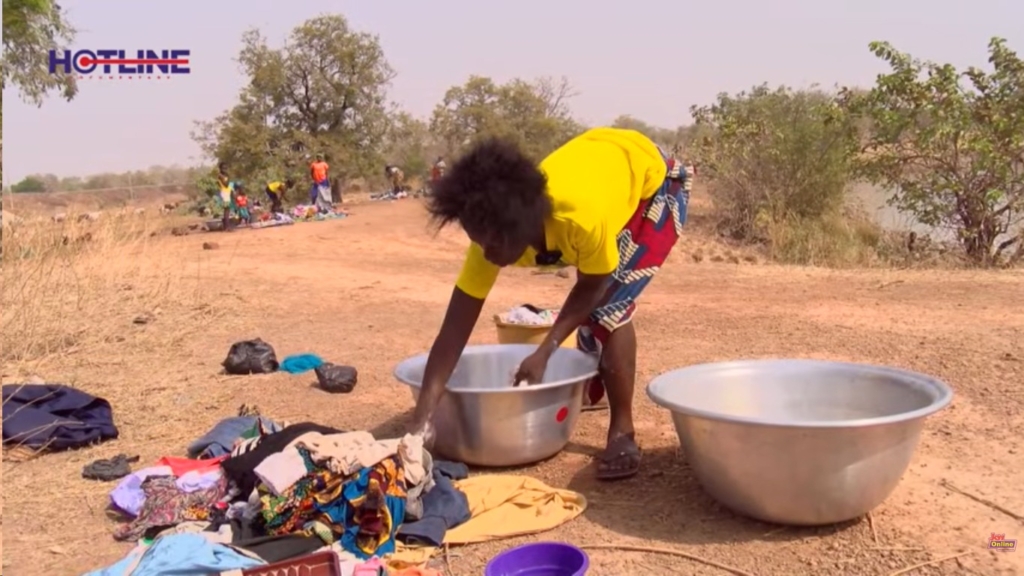
But according to community representative Alhasan Musa, the impact of the shortage now extends beyond household chores.
“Even when it comes to sex, we are affected,” he told. “Afterwards, there is no water to bathe, and that is creating tension in our relationships.”
Faced with the worsening situation, residents are appealing for urgent intervention to secure a reliable supply of clean water. They say the crisis is no longer just about cooking, washing, or farming—it is now beginning to disrupt family life and strain relationships within the community.
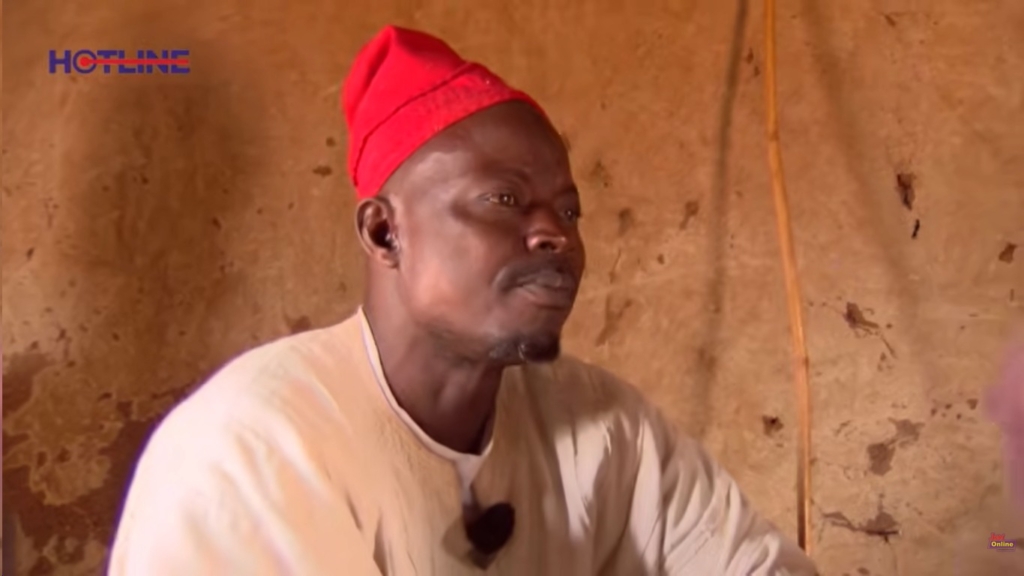
He explained that residents are often forced to share the community’s dams with their livestock, while others have no choice but to buy drinking water at high prices. The situation, he said, has become extremely difficult for many families.
Describing the burden as “unbearable,” the chief noted that the cost of buying water is particularly hard on households with large families, who struggle to meet their daily needs.
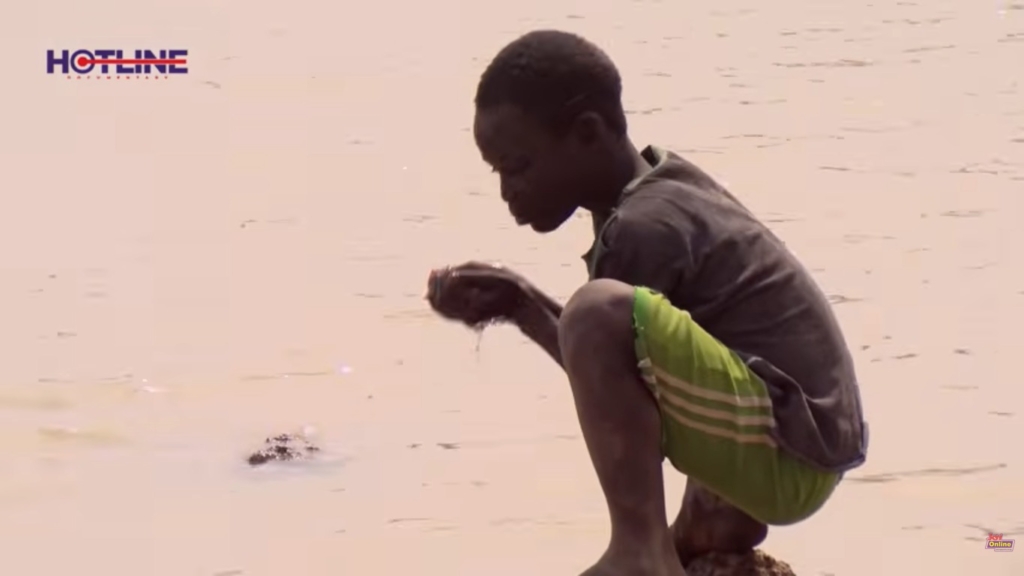
The new documentary examines the water crisis across all five regions of northern Ghana, shedding light on the struggles communities endure to access safe drinking water.