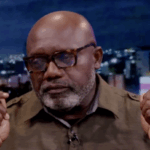
One of the voices behind the push to establish a Leukaemia Foundation in Ghana, Gerald Boakye, says the fight he once led for others has now become deeply personal.
He revealed on Monday that his nephew has been diagnosed with leukaemia.
Speaking on PM Express, he recalled years of watching friends die from blood cancer.
“I successively had about four different friends year after year just pass,” he said. He described how devastating the diagnosis often felt. “It was almost like a death sentence when it happens to you.”
He said the pain was worsened by the knowledge that treatment was possible elsewhere.
“What would hit you is you lose people when you know something can be done about it, but you just stand there, hopeless.”
He recalled one moment that still stays with him.
“One of them probably not ethical to talk about, but the doctor had to comfort me. He called me and his consultant and said, Gerald, stop wasting your money, okay.”
He said that the advice was painful, but honest. “But that was the truth when you read about it; he was telling me the truth.”
Mr Boakye said until now, his advocacy had not been driven by personal loss. He recalled a recent exchange on the same show.
“Three days ago, one of your presenters sat here and asked me, What made you start this? Did you lose somebody close to you? And I said, No, thankfully, I didn’t.”
He said he would never wish the disease on anyone. “This is not something I wouldn’t even wish on my worst enemy.”
That changed on Monday. “Just this afternoon, I had a call, and my nephew has been diagnosed with Leukaemia.” He said the moment was overwhelming. “This is a fight we were waging for other people, and it comes home.”
His disclosure comes amid growing national attention on the plight of leukaemia patients in Ghana.
A recent JoyNews Special Assignment documented the struggles of patients who face life-threatening delays because the country lacks local bone marrow transplant facilities.
The documentary showed how families are often forced to seek treatment abroad at enormous cost, while others wait helplessly as time runs out.
The programme has reignited calls for urgent investment in life-saving treatment options within Ghana.