The world’s energy sector is responsible for approximately 75% of greenhouse gas emissions, primarily from fossil fuel electricity generation and traditional biomass, among other sources, according to the 2023 International Energy Agency (IEA) report.
The emissions worsen due to inefficient energy systems and limited access to new forms of energy, especially in developing countries, a situation that falls short of Sustainable Development Goal 7 (affordable and clean energy for all).
The Ghana Context
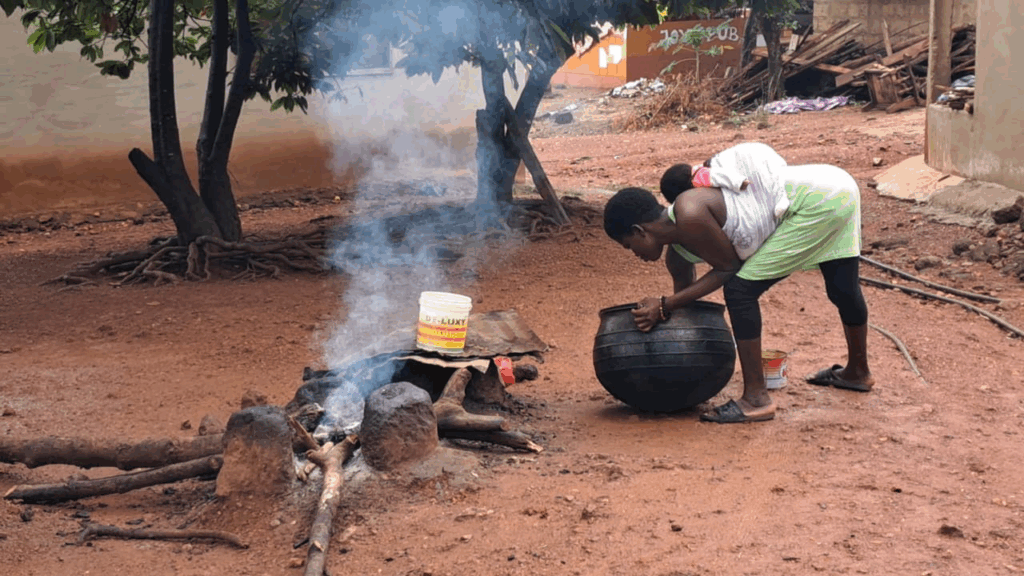
In Ghana, more than two-thirds of the population has access to electricity. Still, many rural and peri-urban dwellers continue to rely on traditional cooking methods, despite the Nationally Determined Contribution aiming to transition two million households to clean cooking energy by 2030.
The situation is no different in Sunyani, in the Bono Region of Ghana, where some residents still use firewood and charcoal for domestic, commercial, and industrial purposes to sustain their livelihoods.
But a few, like Gloria Sefah, a food vendor, have had to use clean energy against her preferred choice.
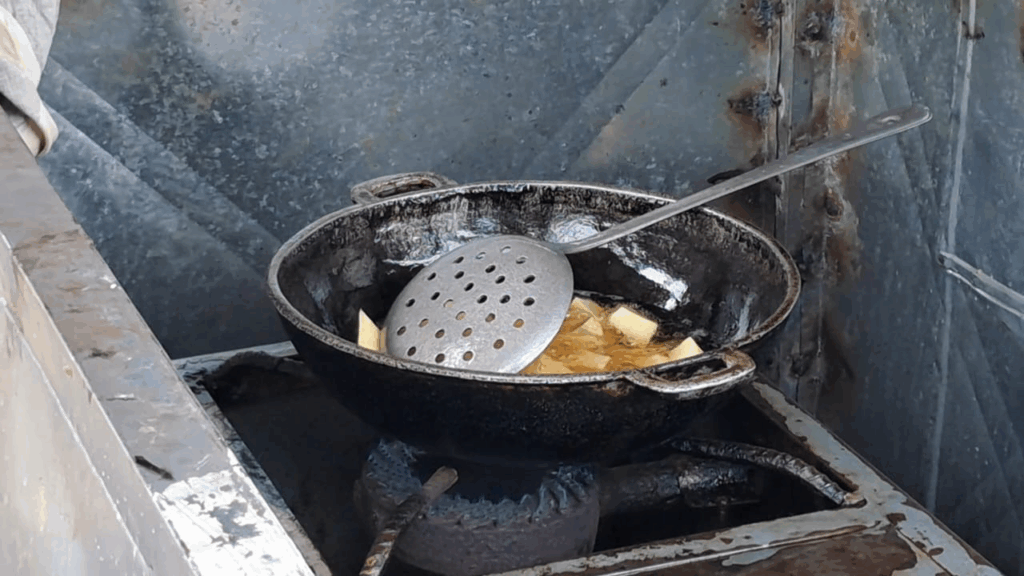
Gloria sells cooked rice and beans with fried yams and plantains at the junction leading to Radio BAR in Sunyani, 6 days a week.
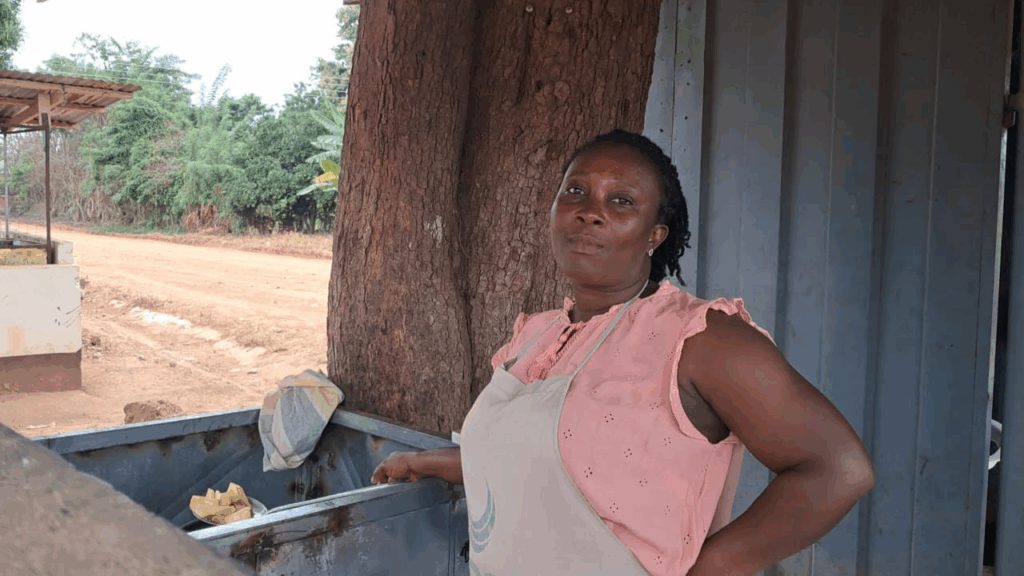
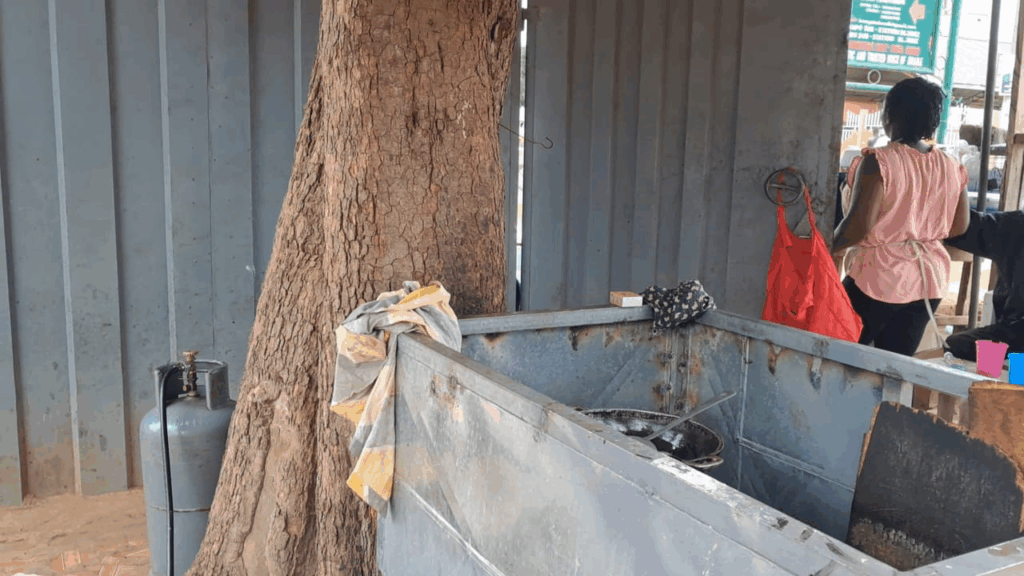
“I will prefer to use the firewood”, she said, and explained further that authorities will not permit the use of firewood at her present location, hence her usage of Liquefied Petroleum Gas (LPG).
“Aside from that, food cooked with firewood tastes better than with gas”, she stated with a smile.
Although her interest lies not in the sourcing of firewood and its environmental impact, she acknowledged the ease and swiftness of using gas as a cooking energy source.
“Your eyes could turn red as a result of the smoke from the firewood, and it affects our health, unlike the gas, which is easy and fast to use”, she pointed out.
Barriers Beyond Cost
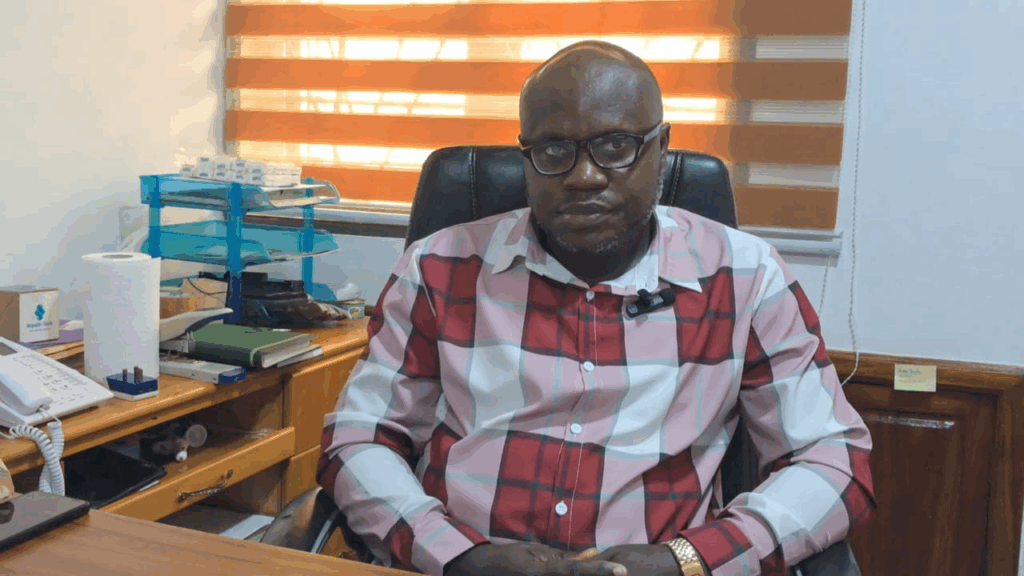
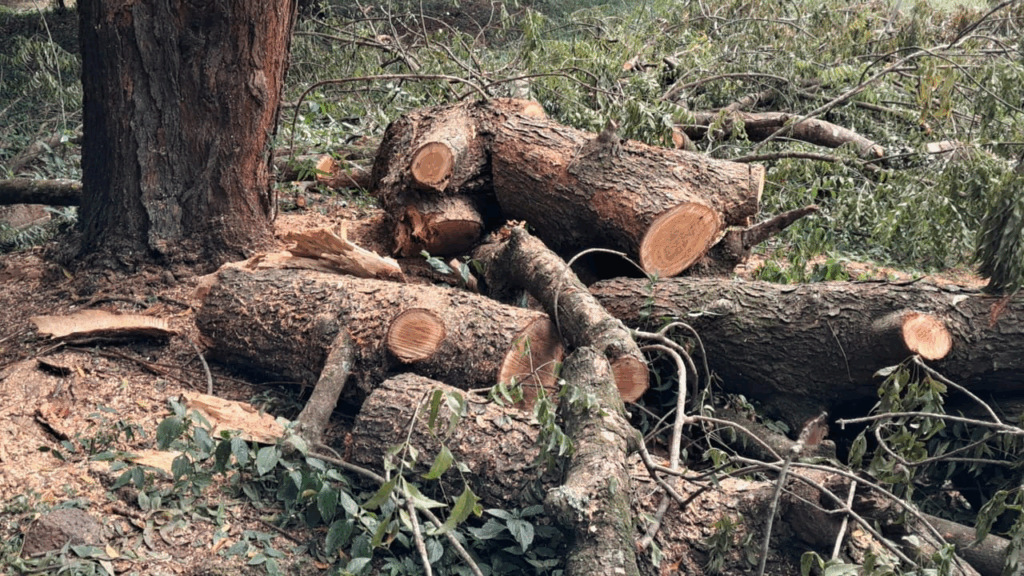
Gloria’s preferred firewood and charcoal come at a cost of forest destruction, a worrying situation impacting climate change, according to Richard Kofi Kyei, Bono Regional Deputy Director of Forestry Commission.
Mr Kyei opined that all stakeholders need to work together to reverse the negative trend of forest destruction, “otherwise a time will come, and we all would be found wanting”.
Besides the environmental impact, there are also health concerns from the smoke.
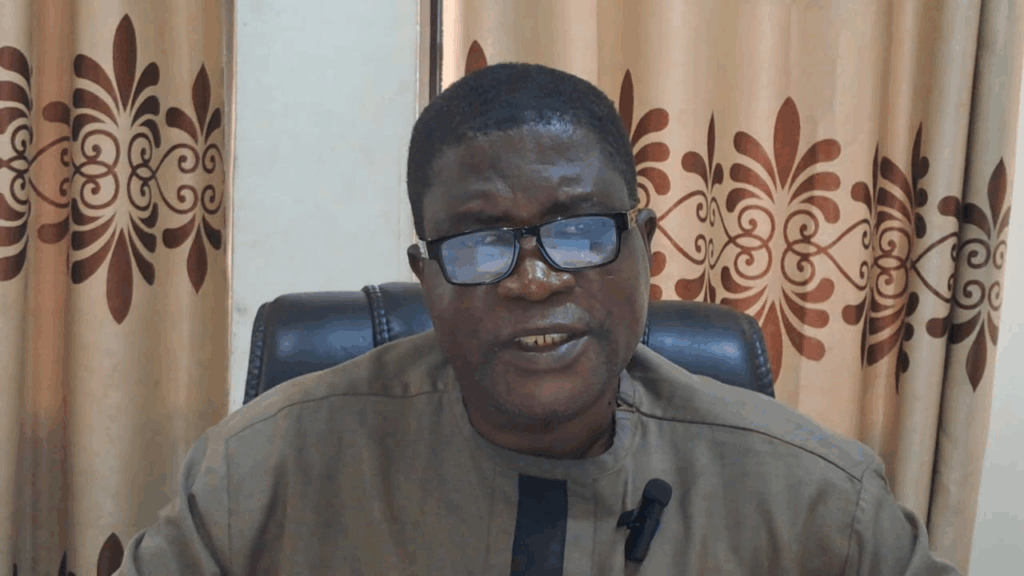
Daniel Owusu Korkor, Sunyani Municipal Environmental Officer, explained how smoke generated from firewood negatively impacts the lungs.
“And so we would suggest that, going forward, we try to use other sources of fuel instead of using firewood”, he admonished.
But Gloria Sefah insists the cost of electricity, LPG and other clean energy is a turn off, emphasising her preference to firewood because “it is less expensive”.
“I could spend about 300 cedis worth of gas but a maximum of 100 cedis on firewood within the same period”, she explained, adding that “it is not economical”.
Mr Owusu Korkor attributed the level of poverty in the society as one of the reasons why people continue to use firewood, adding that “they cannot afford it, and so, though we don’t like it, we will gradually reach the acceptable points”.
Mr Kyei, additionally, said the availability of the alternative is the reason why people are finding it very difficult to adapt, because it is easier to access firewood than gas.
He also stressed the difficulty for people carrying cylinders to refilling stations, but more worrying is the fact that “they might go and it will be written no gas. But you will never find a no charcoal signpost at any place”.
Technology and Policy Gaps
A 2022 report on the charcoal sector by researchers Asare and co noted that although sustainable technologies such as Adam Retort Kiln offer environmental and efficiency gains, their adoption is limited due to cost and technical know-how, among others.
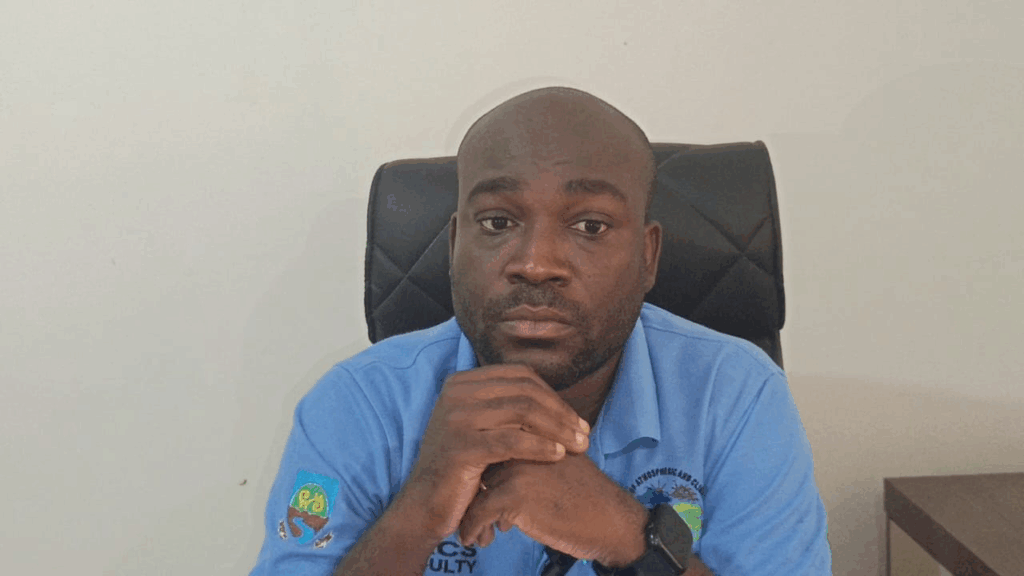
Dr Caleb Mensah, the Head of the Department of Atmospheric and Climate Science at the University of Energy and Natural Resources in Sunyani, recalled a policy implementation in 2010 on the extension of LPG gas to homes to ensure that people reduce the rate at which they use firewood.
He, however, said the policy implementation faced challenges, such that other energy supplies like electric stoves and others are being looked at to limit the use of firewood and charcoal burning.
According to the 2021 Nationally Determined Contribution against climate change, there must be equitable access to electricity and the promotion of energy transition to improved cook stoves and clean fuels.
“It is very important that we create equal opportunities, whereby it is not only some group of individuals that are really benefiting from the use of these clean energy supplies, but everyone”, he explained.
Dr Caleb Mensah further explained that possibly education on gas usage may not have gone well, underscoring the need for the campaign to go before the implementation starts to discourage the traditional source of cooking energy and help the country reduce its greenhouse gas emissions.
He also advocated for effective ways to address the fear of gas usage aside from the cultural perspective, with the involvement and guidance of the Ghana National Fire Service.
Towards a Fair Transition
Previously, charcoal production came at no extra cost to producers and consumers, thereby encouraging the continuous invasion of the forest cover.
But Mr Kofi Kyei revealed that, “Now if you produce charcoal for sale, the Forestry Commission charges you an amount, and in a way, it will also increase the selling price and discourage its use”.
While the forestry commission tightens up measures to discourage the use of firewood and charcoal, city authorities, according to Mr Owusu Korkor, are also urging the enforcement of bylaws to reduce dependency on biomass and promote clean cooking to reduce health and environmental risks.
Gloria Sefah admonished authorities to critically look at the high rate of electricity and gas tariffs to aid transitions to sustainable clean energies, as highlighted in the Ghana Climate Change Policy.
She said, “If in a week I could spend about 150 cedis on either gas or firewood, I don’t know why anyone would insist on using firewood when gas usage is easy, clean, and fast”.
“So if the government would reduce the price of gas, we would be happy, and it would entice more patronage”.
Ghana, however, receives funds from global alliances and climate-related groups, and Dr Caleb Mensah believes all could be geared towards creating some subsidies to reduce the cost of refilling gas.
He insists such subsidies will incentivise and boost the patronage and use of clean energies.
The Way Forward
The hope is that future policies will make clean energy not only affordable and reliable, but also accessible to all. Strategic efforts must address both economic and cultural barriers, ensuring a just and sustainable energy transition for Ghana’s underserved communities.
********
This article is written as part of a collaborative project between JoyNews, CDKN Ghana, and the Centre for Climate Change and Sustainability at the University of Ghana, with funding from the CLARE R41 Opportunities Fund.