The World Bank Group’s Managing Director and Chief Knowledge Officer, Paschal Donohoe, has wrapped up a three-day official visit to Ghana, reaffirming the Bank’s commitment to supporting the country’s economic recovery, job creation, and long-term development.
The visit—his first official trip to Africa since taking office in November 2025—took place from March 15 to 18. During his stay, Mr. Donohoe held talks with President John Mahama, Finance Minister Cassiel Ato Forson, and Education Minister Haruna Iddrisu, alongside other senior government officials, private sector leaders, civil society groups, academics, and development partners. The discussions focused on pushing forward reforms aimed at driving inclusive and sustainable growth.
He was accompanied by a delegation that included Marina Wes, Director of Strategy and Operations for the Western and Central Africa Region; Robert Taliercio O’Brien, Country Director for Ghana, Liberia, and Sierra Leone; Nathalie Kouassi-Akon, IFC Division Director for West Africa Gulf of Guinea; and Kyle Kelhofer, IFC Senior Country Manager for Ghana and Liberia.

Focus on economic stability and job creation
The visit began with a high-level meeting between Paschal Donohoe and Ghana’s Finance Minister, Cassiel Ato Forson.
During the discussions, Mr. Donohoe praised the government’s efforts to stabilise the economy and restore fiscal discipline, describing the recent turnaround in Ghana’s public finances as remarkable.
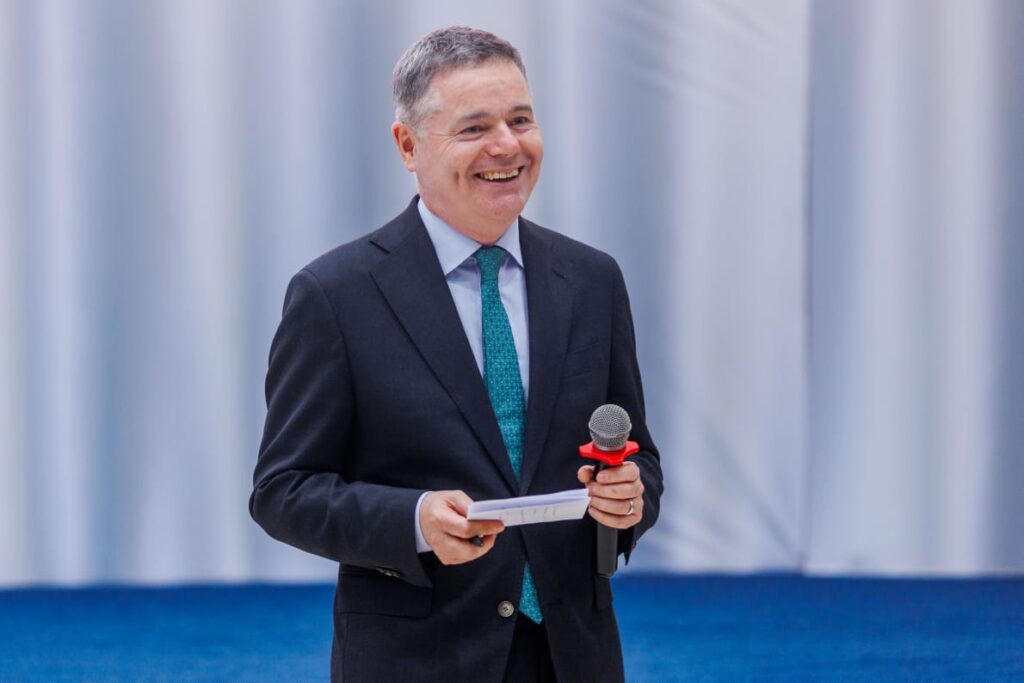
Ghana’s Finance Minister has acknowledged progress in recent reforms but warned that youth unemployment remains one of the country’s most urgent challenges.
He noted that the public sector alone cannot absorb Africa’s rapidly expanding youth population, stressing the need for deliberate, policy-driven efforts to stimulate private sector job creation.
In support of this agenda, the World Bank has announced plans to carry out a comprehensive Jobs and Growth Analysis. The study is expected to identify high-potential sectors for job creation and help shape future policy and investment decisions.
Record investment in education and skills
A key highlight of the visit was the confirmation of a US$300 million World Bank investment in Ghana’s secondary education sector. The funding, to be channelled through the Secondary Education Transformation for Access, Relevance and Results for Jobs (STARR-J) programme, represents the largest single allocation by the institution to the sector in the country.
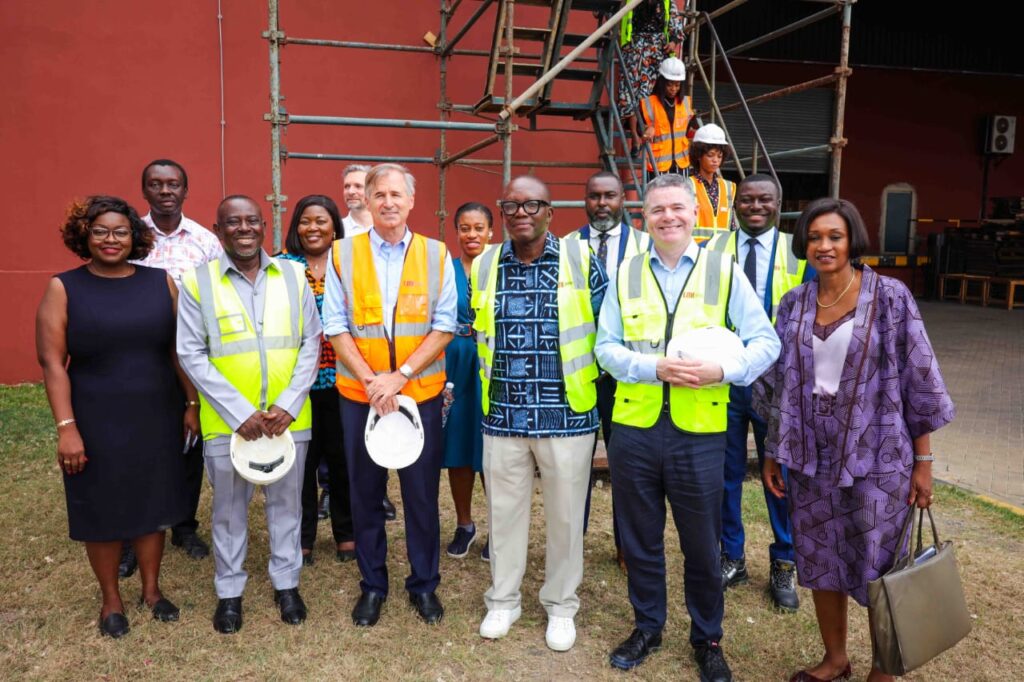
A major boost for Ghana’s education sector was announced during a joint visit to the Armed Forces Senior High Technical School in Burma Camp, where Paschal Donohoe and Education Minister Haruna Iddrisu confirmed a significantly expanded funding commitment.
The new package—nearly double the US$180 million initially discussed at the IMF/World Bank Spring Meetings 2025—is expected to take effect within the current fiscal year.
At the centre of the plan is the STARR-J programme, which will focus on rehabilitating and expanding senior high schools as well as technical and vocational education and training (TVET) institutions. The initiative places strong emphasis on equipping students with practical, job-ready skills.
Mr. Iddrisu said the government intends to overhaul the current TVET teaching model by shifting away from its heavy theoretical focus—currently around 90 percent theory and 10 percent practical—towards a more balanced system with 70 percent practical training.
He added that support from the World Bank, particularly in building workshops and laboratory facilities, will be key to successfully implementing the reforms.
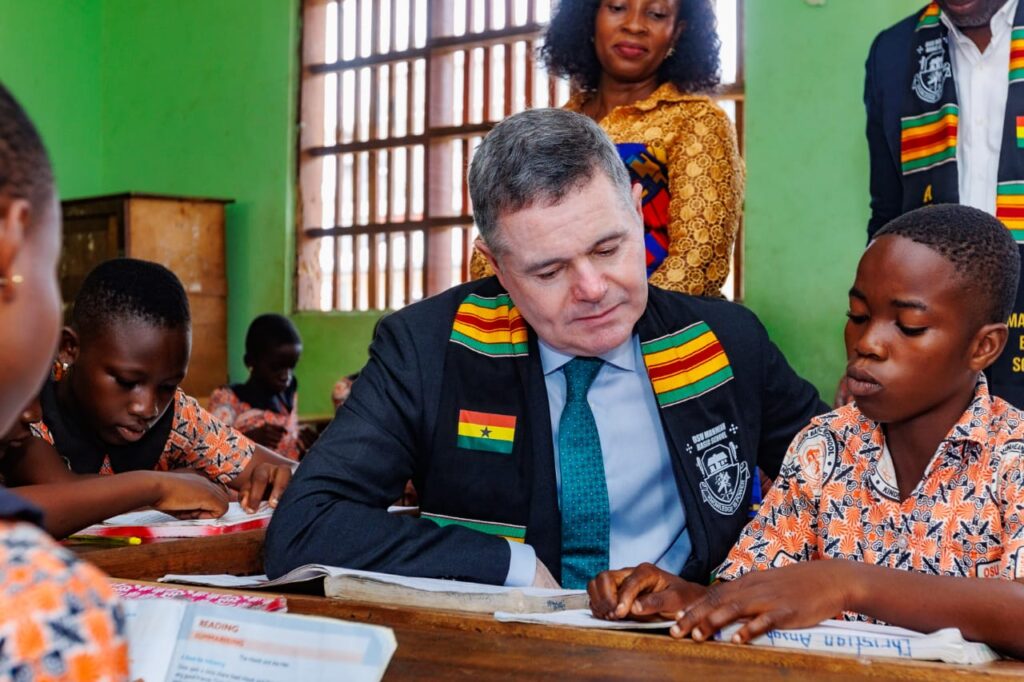
STARR-J to boost practical skills training in SHS and TVET institutions
The government’s STARR-J programme is set to rehabilitate and expand senior high schools and technical and vocational education and training (TVET) institutions, with a strong emphasis on equipping students with practical, job-ready skills.
The Minister said a key priority is to rebalance the current teaching approach in TVET, shifting from a heavily theory-based model—about 90 percent theory and 10 percent practical—to a more hands-on structure with 70 percent practical training. He noted that investments by the World Bank in workshops and laboratory facilities will be critical to making this transition successful.
The initiative builds on gains made under the Ghana Accountability for Learning Outcomes Project (GALOP), which has already trained more than 70,000 teachers and reached over 3.1 million students—well above its initial target of 2.3 million.
Paschal Donohoe described STARR-J as the next phase of that progress, aimed at sustaining and extending improvements in learning outcomes to higher levels of Ghana’s education system.
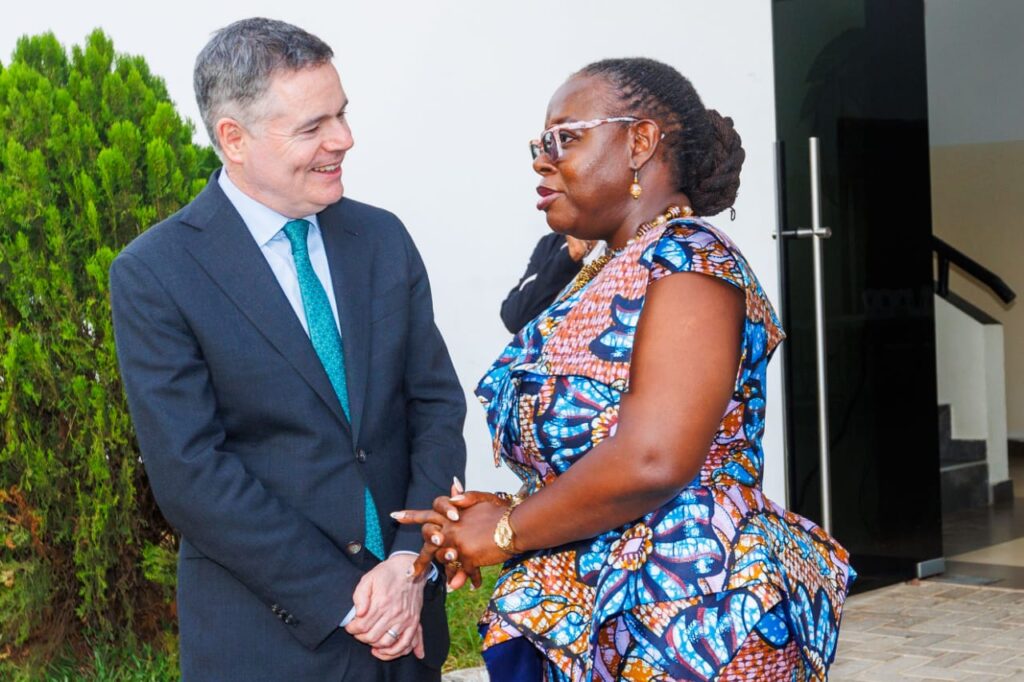
Skills gap, clean energy, and private sector growth take centre stage in Ghana talks
At the University of Ghana, Paschal Donohoe delivered the institution’s first Vice-Chancellor’s Occasional Lecture for 2026, using the platform to push for stronger ties between academia and industry.
He highlighted the persistent mismatch between skills training and labour market needs, describing it as a structural coordination problem. According to him, employers must play a more active role in shaping curricula and training systems to better prepare graduates for the job market.
Citing recent data, Mr. Donohoe noted that about 1.34 million young people in Ghana—roughly 21.5 percent of those aged 15 to 24—are not in employment, education, or training (NEET). He stressed that addressing the issue requires urgent and large-scale action.
“The data is clear on what works. The question is not what to do, but whether there is the political will and institutional capacity to act at scale,” he said.
Clean energy and industrial expansion
The delegation also toured a major solar installation by LMI Holdings at the Tema Free Zones enclave. The 16.82 MW rooftop project—co-financed by the International Finance Corporation—is the largest of its kind in Africa and ranks among the biggest globally.
Mr. Donohoe called for closer collaboration between government and private investors to scale up clean energy, strengthen energy security, and support industrial growth.
Chairman of LMI Holdings, Kojo Aduhene, used the opportunity to advocate regulatory reforms to unlock private sector investment in solar energy. He pointed to challenges such as unclear power wheeling rules and the lack of standardised power purchase agreements as key barriers.
The IFC reiterated its commitment to mobilising private capital for sustainable infrastructure and climate-friendly energy projects in Ghana.
Boosting entrepreneurship and job creation
Mr. Donohoe also joined a high-level Business Council meeting organised by the IFC, where discussions centred on removing barriers to business growth, improving productivity, and expanding job opportunities.
Particular attention was given to youth and women entrepreneurs, who account for about 44 percent of Ghana’s micro, small, and medium-sized enterprises.
The World Bank Group emphasised that private sector-led growth remains critical to Ghana’s long-term development, serving as a key driver of employment and economic expansion across the continent.
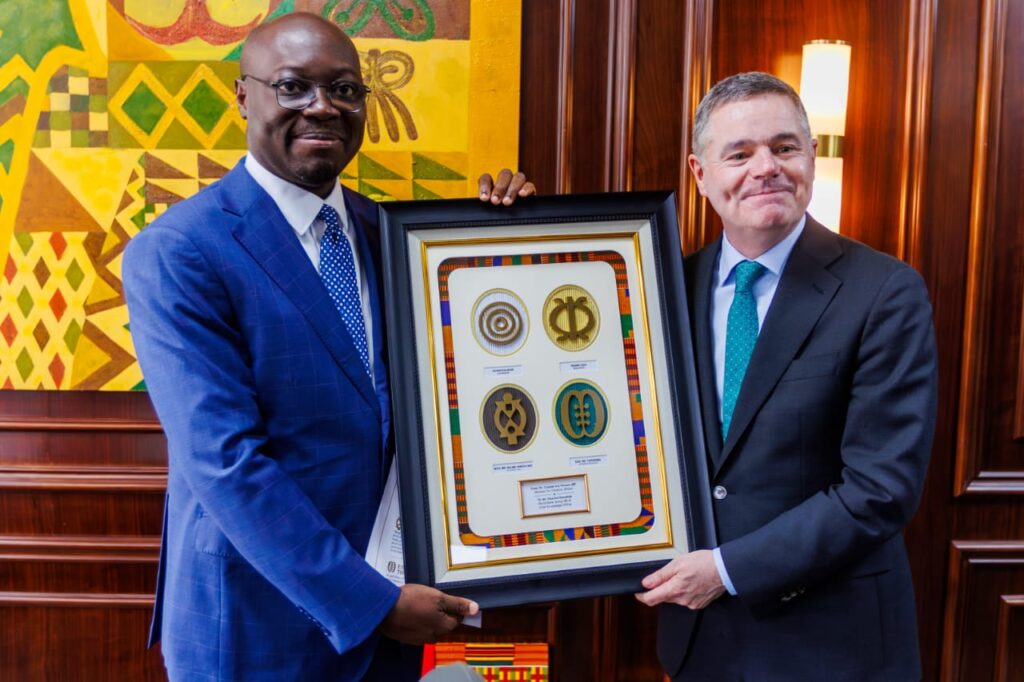
The recent visit underscores the World Bank Group’s coordinated approach to supporting Ghana’s development agenda—bringing together macroeconomic stability, human capital development, private sector expansion, and clean energy investment under one strategy.
Speaking during the visit, World Bank official Paschal Donohoe reaffirmed the institution’s long-standing commitment to Ghana. He stressed its readiness to back reforms aimed at creating jobs, strengthening institutions, and driving inclusive growth.
“The priority now is to work together to implement reforms at scale and ensure that growth translates into real opportunities for all Ghanaians,” he noted.