Youth leaders and civil society groups have voiced strong support for proposals to lower the minimum age for presidential candidates in Ghana to 30.
They described the move as a positive step toward creating a more inclusive governance system that allows younger leaders to participate in national decision-making.
The recommendation is part of broader suggestions by the Constitutional Review Committee (CRC) aimed at amending certain provisions of the 1992 Constitution.
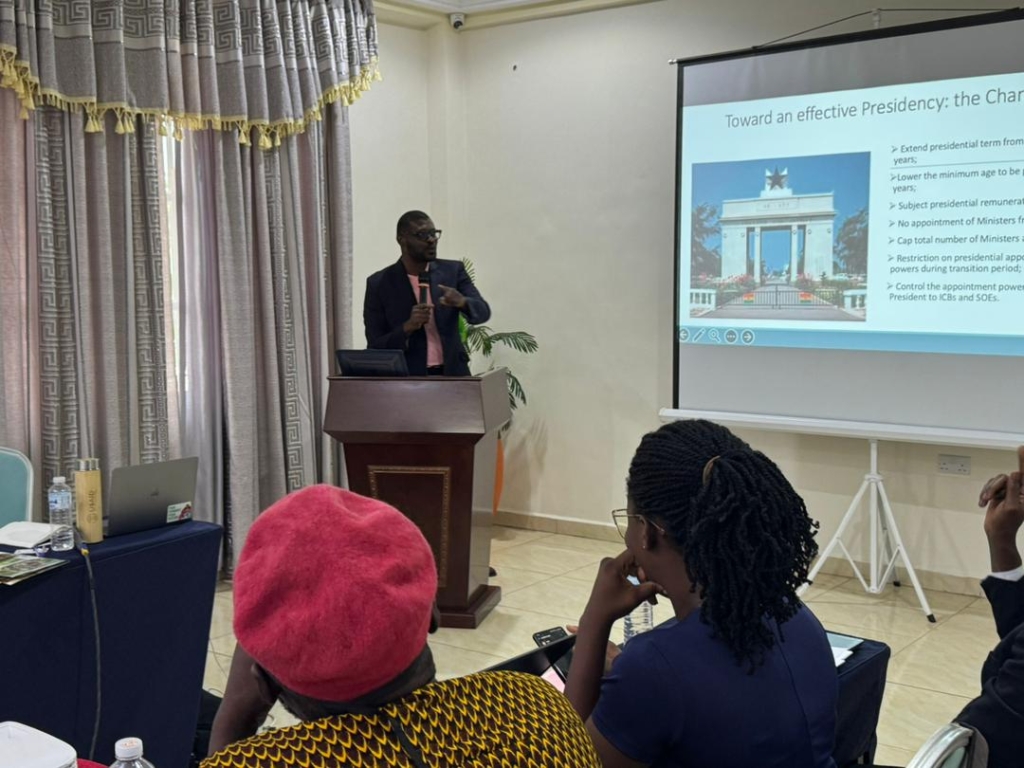
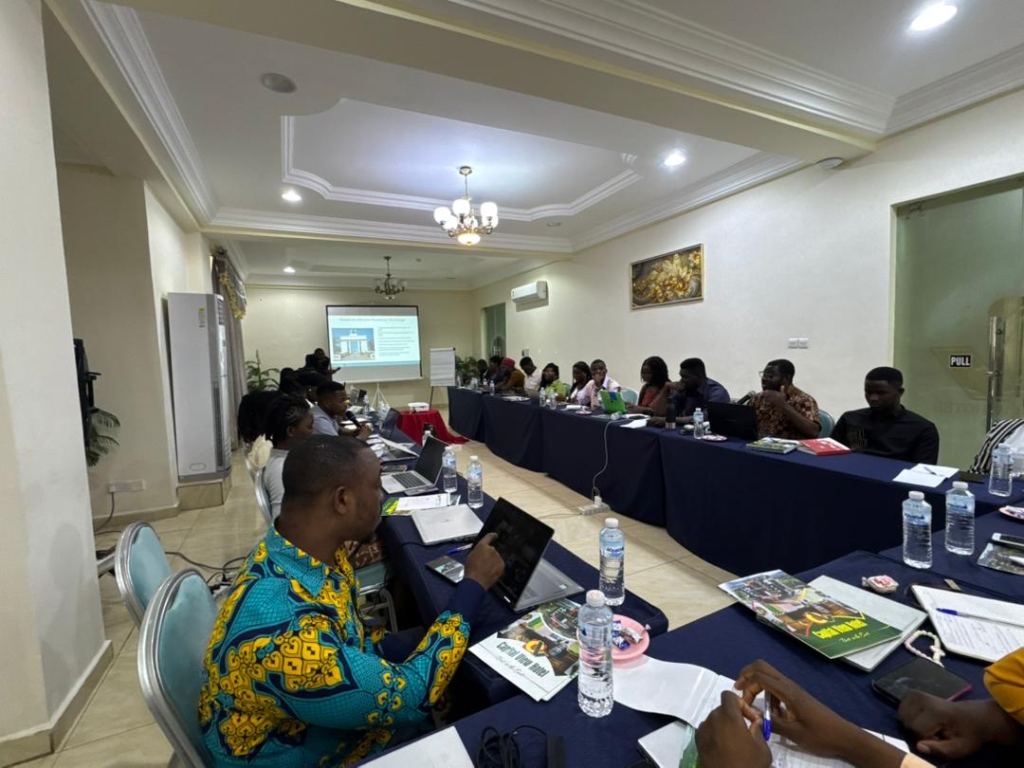
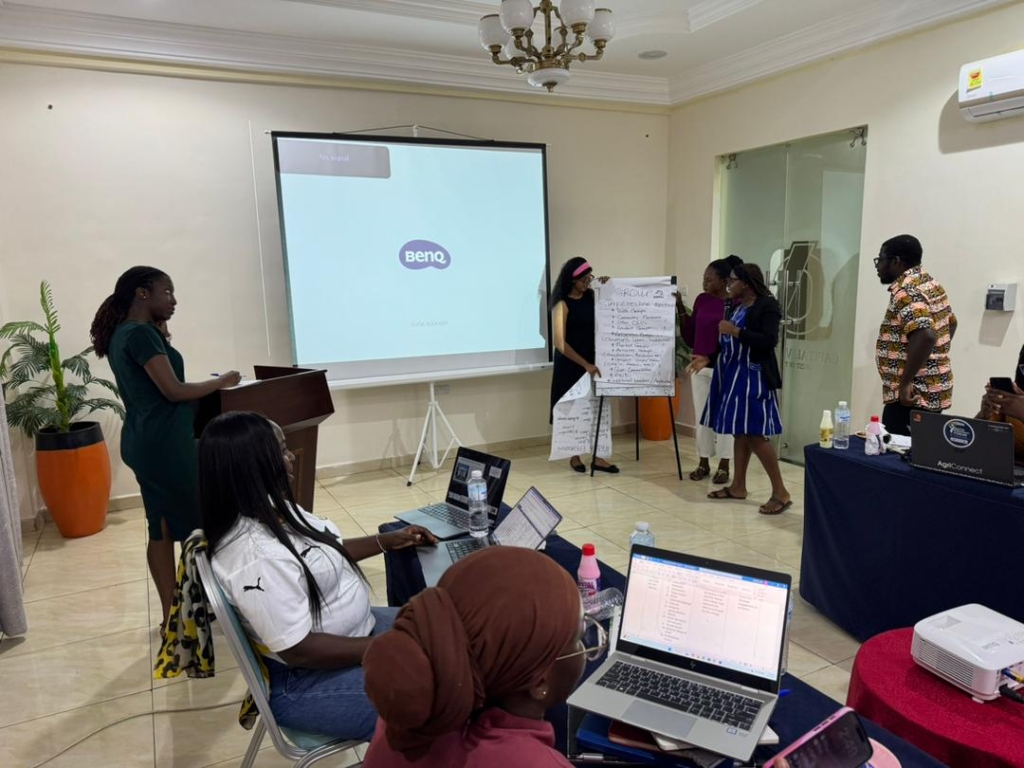
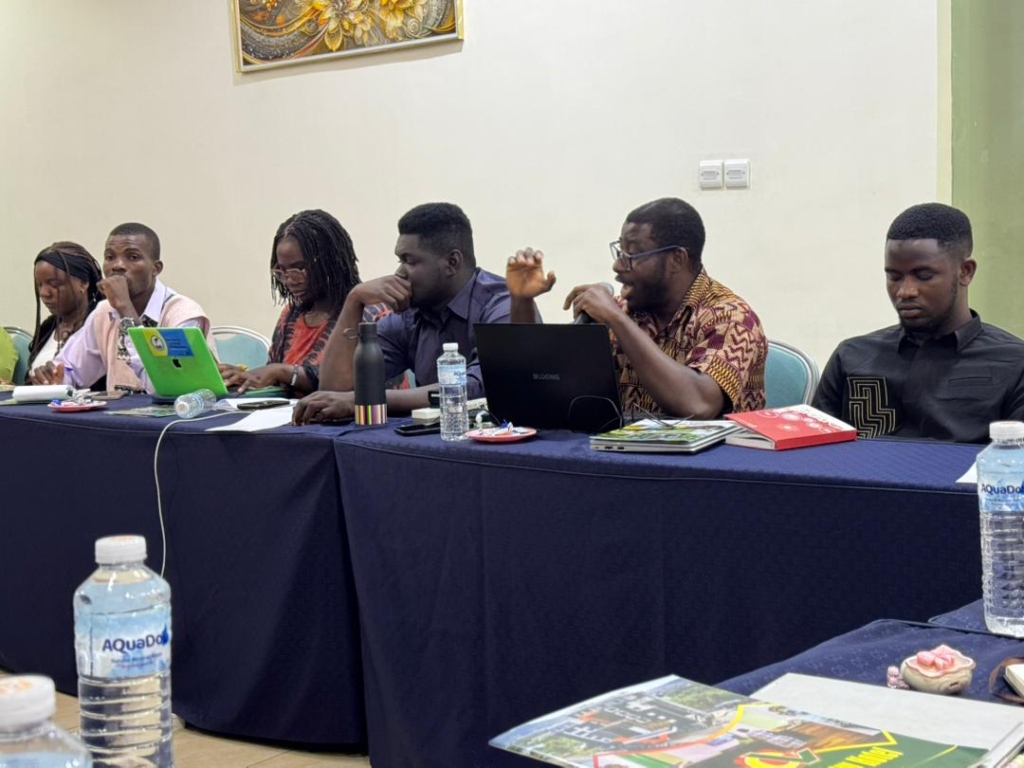
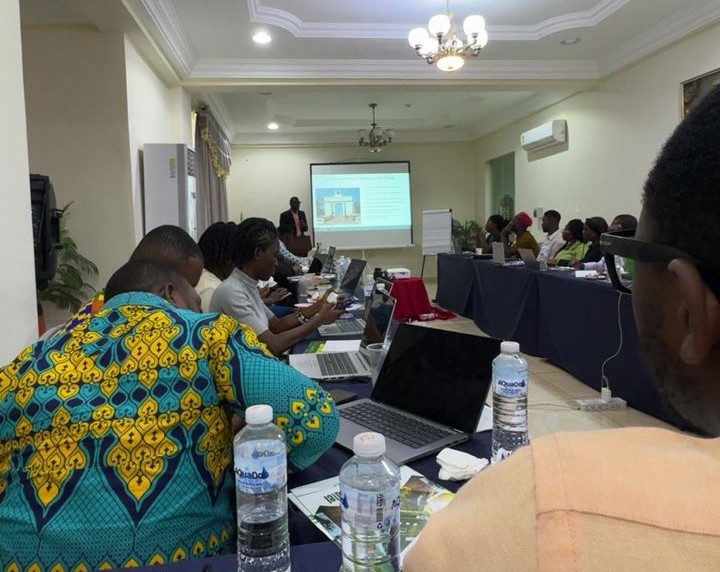
At a Youth Leaders and Youth CSOs Capacity-Building Workshop in Koforidua, participants welcomed proposals to lower the presidential age requirement, saying it could create leadership opportunities for younger Ghanaians and better reflect the country’s youthful population.
The two-day workshop was organised to equip youth leaders and civil society organisations with insights into the Constitutional Review Committee’s (CRC) recommendations and prepare them to actively engage in national discussions on constitutional reforms.
Attendees also urged the government to release the full CRC report to enable wider public scrutiny and participation.
Under the proposed amendments, Article 62(b) of the Constitution would be revised to lower the minimum age for presidential candidates from 40 to 30, a move aimed at expanding access to national leadership roles.
Fathiaya Zakari of Youth Empowerment for Life (YEFL) Ghana called the recommendation a balanced compromise between the younger and older generations.
“I think 30 years is perfect. It’s a win-win and a middle ground both generations can agree on,” she said.
Ms Zakari added that lowering the eligibility age could inspire young people to start preparing earlier for leadership and political participation.
“It gives us hope and encourages young people to begin thinking seriously about preparing for elections,” she noted.
Linda Fremah of the Ashanti Regional Youth Network also welcomed the proposal but stressed that reforms should consider the broader youth population to ensure inclusive representation
She highlighted that the youth age bracket is generally defined as 15 to 35 years, meaning some young people could still feel excluded even if the presidential minimum age is lowered.
“Inasmuch as we support the 30-year minimum, we must also consider reforms that create space for the broader youth bracket,” Ms Fremah said.
She warned that excluding younger voices could limit the diversity of ideas in Ghana’s governance system.
“If we set the threshold at 30, we risk losing the perspectives of younger generations in the intergenerational system we are trying to build,” she added.
Christopher Penu of the Ghana Youth Manifesto Coalition echoed the concern, pointing to the gap between Ghana’s demographic realities and political representation.
“Over 73 percent of the population is under 35, yet they remain underrepresented in our governance structures,” he said.
Mr Penu argued that constitutional reforms offer a chance to reshape Ghana’s democracy so it better reflects the population.
“If we are practicing democracy, it must genuinely reflect the people,” he added.
Responding to the discussions, Noah Adamtey, Head of Research at the CRC, said the enthusiasm among young participants underscores a growing demand for political inclusion.
According to Noah Adamtey, many young Ghanaians believe the country’s governance system should evolve to recognise the leadership potential of younger generations.
“Young people across the world are taking up leadership roles, even leading countries. They want a place within the governance architecture to demonstrate what they are capable of,” he said.
Adamtey also noted that Ghana’s political framework already allows relatively young individuals to hold key public offices.
“In Ghana, someone can become a Member of Parliament at 21. Since most ministers are appointed from Parliament, a person that young could even become a minister,” he explained.
He added that lowering the presidential age does not automatically produce younger presidents but simply gives voters the opportunity to decide.
“Ultimately, Ghanaians will still assess the competence and leadership qualities of anyone seeking the presidency,” Adamtey said.
Meanwhile, Dr. Kojo Pumpuni Asante, Director of Advocacy and Policy Engagement at CDD-Ghana, cautioned that meaningful reforms are essential to maintain public trust in democratic institutions.
Speaking to participants at the workshop, he emphasised that Ghana’s governance system must evolve to better serve the needs of its citizens.
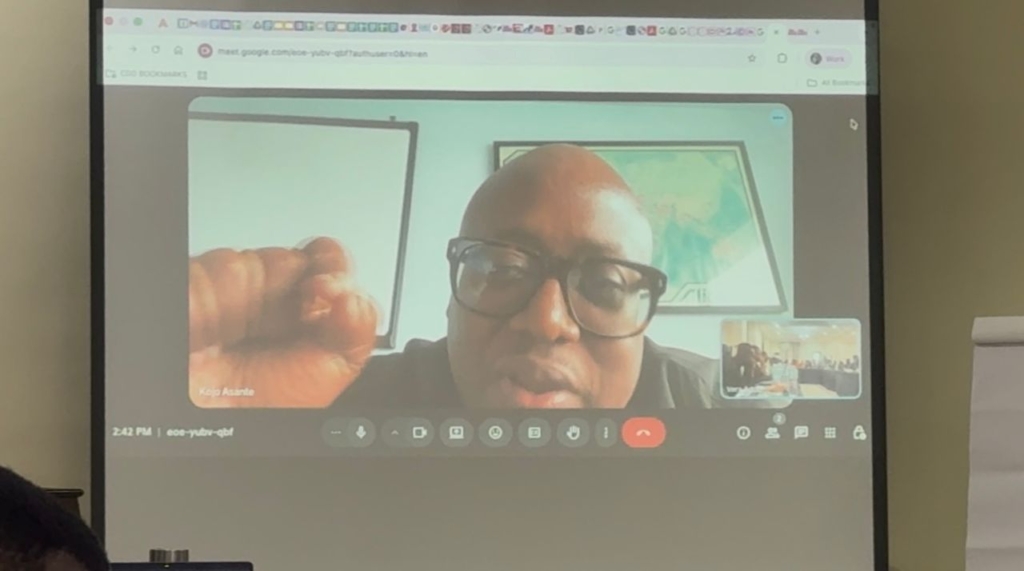
“What we have is not working, and it needs to change,” Dr. Asante said.
He warned that failing to implement reforms demanded by citizens—especially young voters—could weaken public confidence in Ghana’s political system.
“When trust in institutions and leadership erodes, governing becomes much harder. Fewer people participate in elections, and respect for public institutions declines,” he explained.
Describing the moment as an early warning for policymakers, Dr. Asante urged prompt action.
“We must act now, or we will all face the consequences,” he added.
Beyond discussions on youth inclusion, workshop participants also called on the government to release the full report of the Constitutional Review Committee.
They argued that broader public access to the report would allow citizens, civil society groups, and the media to engage more meaningfully with the proposed reforms.
For many of the young leaders gathered in Koforidua, the constitutional review process represents a rare opportunity to reshape Ghana’s democratic framework and expand space for youth participation in national leadership.