Zion College (ZICO) has begun what many alumni describe as the most ambitious turnaround in its 88-year history, driven by a bold strategic vision unveiled at the school’s maiden Homecoming celebration.
Addressing hundreds of former students, the Global President of the Old Students Association, Professor Anthony Mawuli Sallar, issued a direct call for renewal, urging members to abandon complacency and support a coordinated plan to restore ZICO’s academic reputation and ailing infrastructure.
“We cannot continue doing the same things and expect different results,” he said, describing the current state of the school as “unsustainable” and in urgent need of organised intervention.
Since taking office two years ago, Prof. Sallar has introduced sweeping reforms, including a restructured alumni association, a new Council of Elders to guide the Executive Committee, and specialised committees tasked with academics, infrastructure, fundraising, and year-group coordination.
The Academic Committee has already begun supplying WAEC past questions, examiners’ reports and helping with mentorship programmes, all aimed at improving teaching and learning. During the Homecoming, academic excellence took centre stage to re-emphasise ZICO’s core mission.
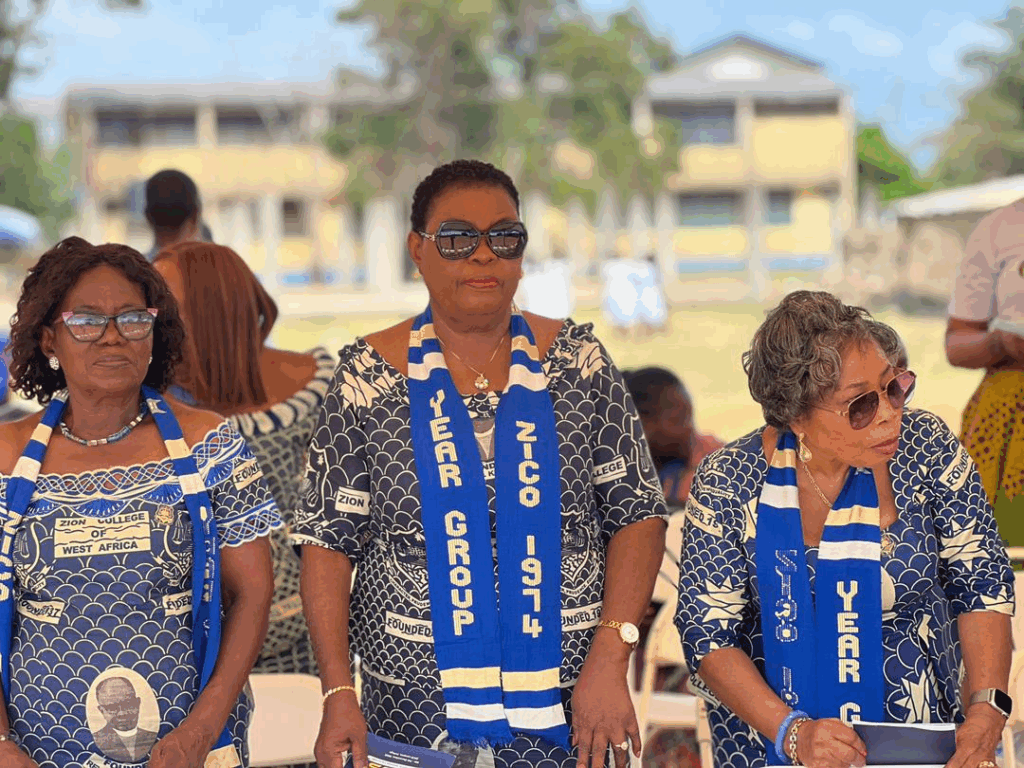
On infrastructure, the association is tackling urgent campus needs. A key concern, the lack of accommodation for National Service Personnel, who support WASSCE preparation, is being addressed through alumni-funded bungalows. The 1974 Year Group handed over a fully completed bungalow at the event.

Prof. Sallar noted that academic improvement is closely tied to the school’s physical and psychological environment. He highlighted ongoing work to upgrade facilities, including a recent GHS100,000 investment by one alumnus for digital and remote-skills training equipment. Better facilities, he said, will attract committed teachers and high-performing students, helping reverse years of stagnation.
The event’s biggest announcement was the launch of a One Million Cedi Endowment Fund to provide sustainable financing for the school. Founding contributors, Prof. Sallar, Prof. Livingstone Kumassah, Dr. Samuel Gayi, Mrs. Empress Ahiable Dotse, Dr. Reuben Hadzide and Mrs. Maureen Mathilda Akaba have pledged between GH₵7,500 and GH₵10,000 over three years.
Once the fund reaches GH₵1 million, anticipated annual returns of about GH₵100,000 will support scholarships, staff development, facility maintenance, and equipment, all while preserving the principal. Prof. Sallar called it a “perpetual engine” for ZICO’s long-term stability, not just a fundraiser.

To eliminate fragmentation in decision-making, the association is planning a strategic retreat involving all key stakeholders, the School Administration, Board of Governors, PTA and Alumni, to align priorities under a unified development agenda.
The Homecoming itself showcased the power of collaboration. Chaired by Precious Edem Agbemafoh, the event brought together distinguished alumni, former association president Prof. Cornelius Dzakpasu, and Guest Speaker Togbi Tagbor of Kedzi, who encouraged graduates to extend their service beyond the school to national development.
Several individuals worked behind the scenes to make the event successful, including Mr Gameli Attipoe, Mrs Edem Agbemafor Lumorvie, Vice President Isaac Apetorgbor, Senior Emmanuel Nyatuame, and MCs Edina Fiawoo, Mamavi Owusu-Aboagye and Mr Anani.
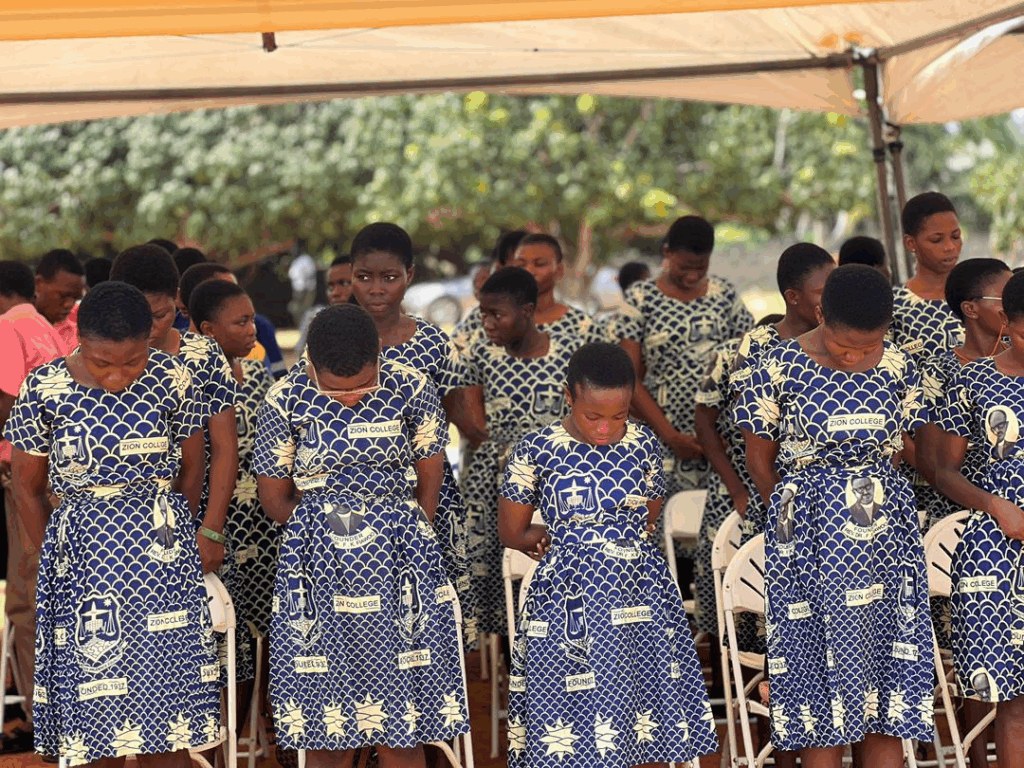
With ZICO nearing its 90th anniversary, leaders are calling on alumni to support the transformation drive through financial contributions, mentorship, committee work, or simply promoting the school. Chairperson Agbemafoh noted that despite logistical hurdles, unity and determination ensured the success of the maiden Homecoming, values she believes must guide the school’s rebirth.
Prof. Sallar closed with a powerful reminder: “ZICO shaped who you became. Now it needs you to shape what it becomes.”
With new governance structures in place, projects underway, and the endowment fund launched, alumni leaders believe ZICO now has a clear path to reclaiming its place among Ghana’s leading second-cycle institutions, if its old students choose to walk that path together.