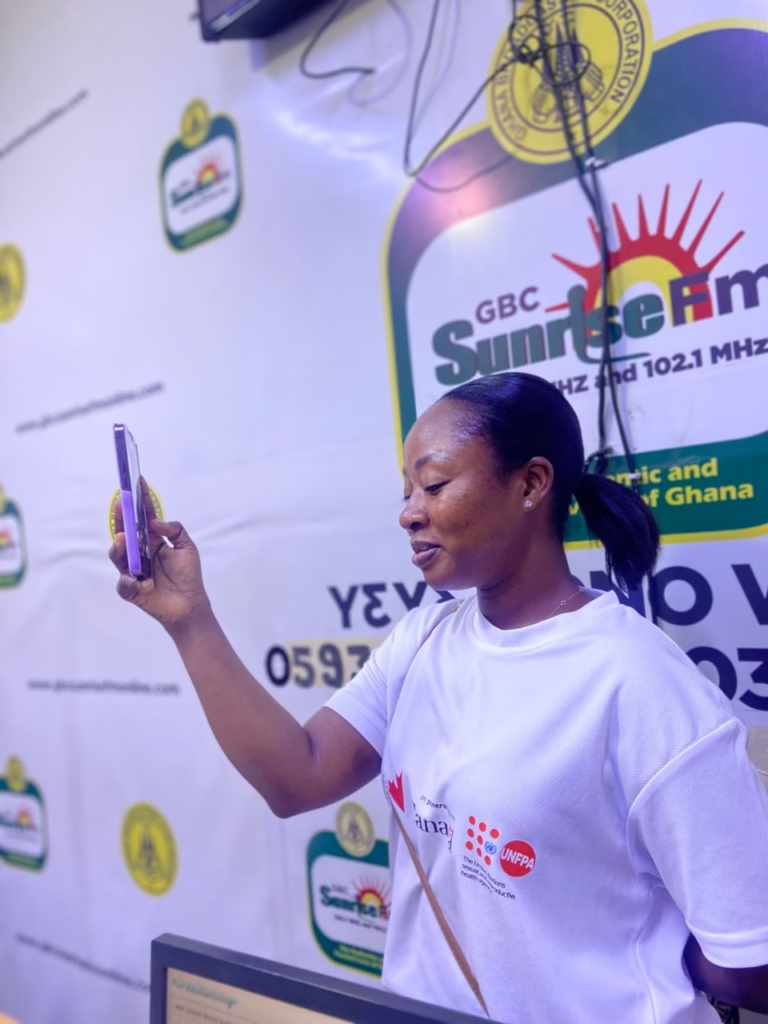
The National Commission for Civic Education (NCCE) in the Eastern Region, in collaboration with selected schools in Koforidua, has intensified efforts to educate students on responsible online behaviour as part of this year’s Citizenship Week celebration.
The programme, held under the theme “Growing Up Digital: The Ghanaian Child Upholding the Constitution Online,” brought together students, teachers and civic education stakeholders to discuss the opportunities and challenges associated with the digital age.

Participants on GBC Sunrise FM included Madam Etornam Bredzei, Civic Education Officer at the NCCE Eastern Regional Office; Mensah Isaac of Aboabo Methodist School; Osae Bridget Addobea of Nkurakan Presbyterian JHS; Amoatey Vanessa of Nkurakan R/C JHS; Narh Bright of Wawase R/C JHS; Mr Amoateng Benjamin, ICT teacher at Wawase R/C JHS; Madam Esther Gyau of Aboabo Methodist School; Madam Rita Adido of Nkurakan R/C JHS; and Madam Ernestina Ahulu of Nkurakan Presbyterian JHS. The discussion was hosted by Samuel Nana Asare Mireku.
Speaking during the programme, Madam Bredzei explained that Citizenship Week is one of the NCCE’s flagship initiatives aimed at empowering young people with knowledge about their civic responsibilities and constitutional rights.
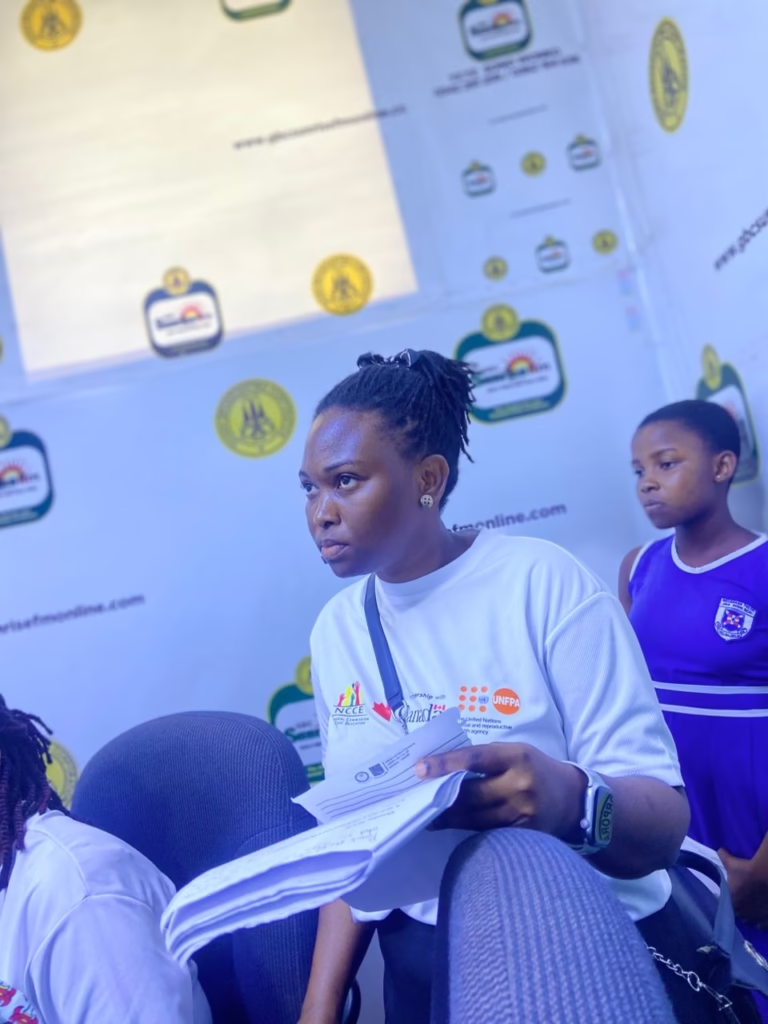
She noted that every year, the Commission visits schools and engages students through interactions with teachers, security personnel, role models and other stakeholders to promote responsible citizenship.
According to her, this year’s theme reflects the growing influence of technology in the lives of young people.
“Everything today revolves around digitisation. Children now have easy access to the internet, social media and various digital platforms. The direction the world is taking is increasingly digital, and young people are at the centre of this transformation,” she said.
Madam Bredzei stressed that while digital platforms provide valuable opportunities for learning and entertainment, they also expose users to several risks.
“As a Commission, we believe it is important to educate students about the dangers associated with the digital space, including fake news, misinformation, disinformation, cyberbullying and online abuse,” she stated.
She explained that the programme seeks to instil in students a clear understanding of their rights and responsibilities online, while encouraging them to respect the laws of Ghana and the rights of others.
“People who use the internet must be truthful, careful and responsible. We need to be mindful of the information we share and the content we post online,” she advised.
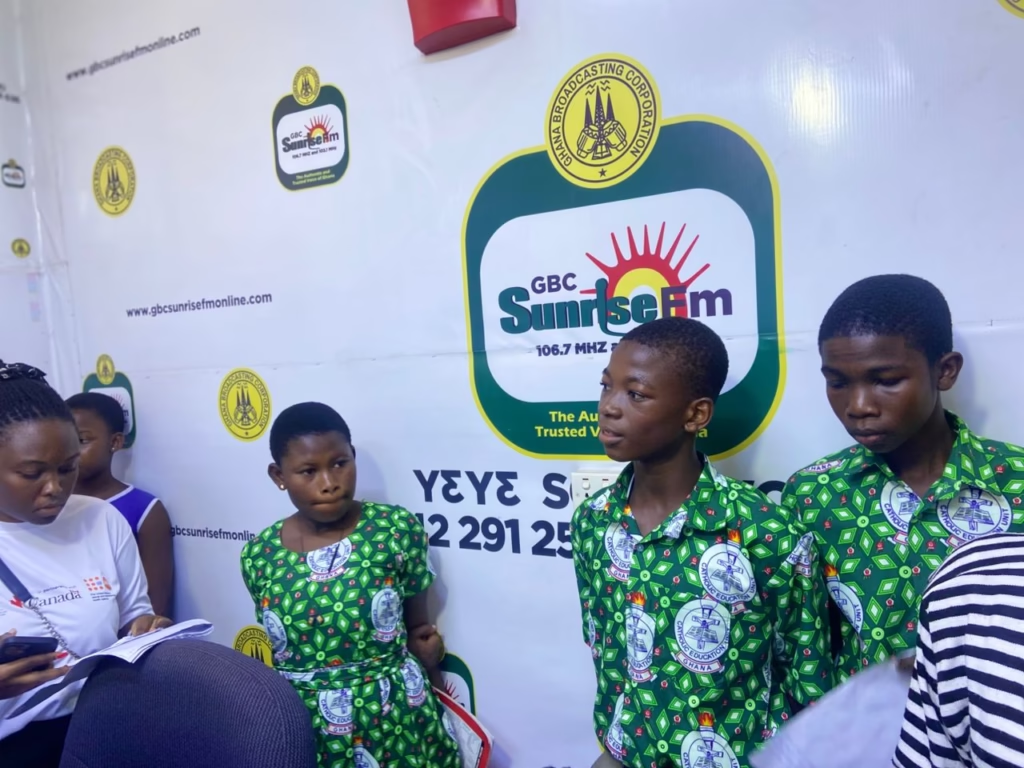
Madam Bredzei further cautioned that spreading false information, posting abusive content and engaging in cyber-related offences could result in legal consequences.
She referenced Articles 18 and 21 of Ghana’s 1992 Constitution, which guarantee citizens’ rights to privacy, property ownership and fundamental freedoms, while noting that such freedoms can be restricted when necessary to protect national security, public safety and the rights of others.
“Public safety is extremely important. Individuals should not post just anything online. Fake news and cyber-related crimes can have serious consequences, including extortion, identity theft and other offences. There are laws governing internet use, and anyone found guilty of violating them will face the appropriate legal consequences,” she warned.
She also encouraged internet users to strengthen their online security by using strong passwords and being cautious about the personal information they share on social media.
Madam Bredzei further urged students to report incidents of cyberbullying, blackmail or online scams to parents, teachers and relevant authorities.
Teacher at Aboabo Methodist School, Madam Esther Gyau, commended the NCCE for the initiative, describing it as an important educational intervention for both students and teachers.
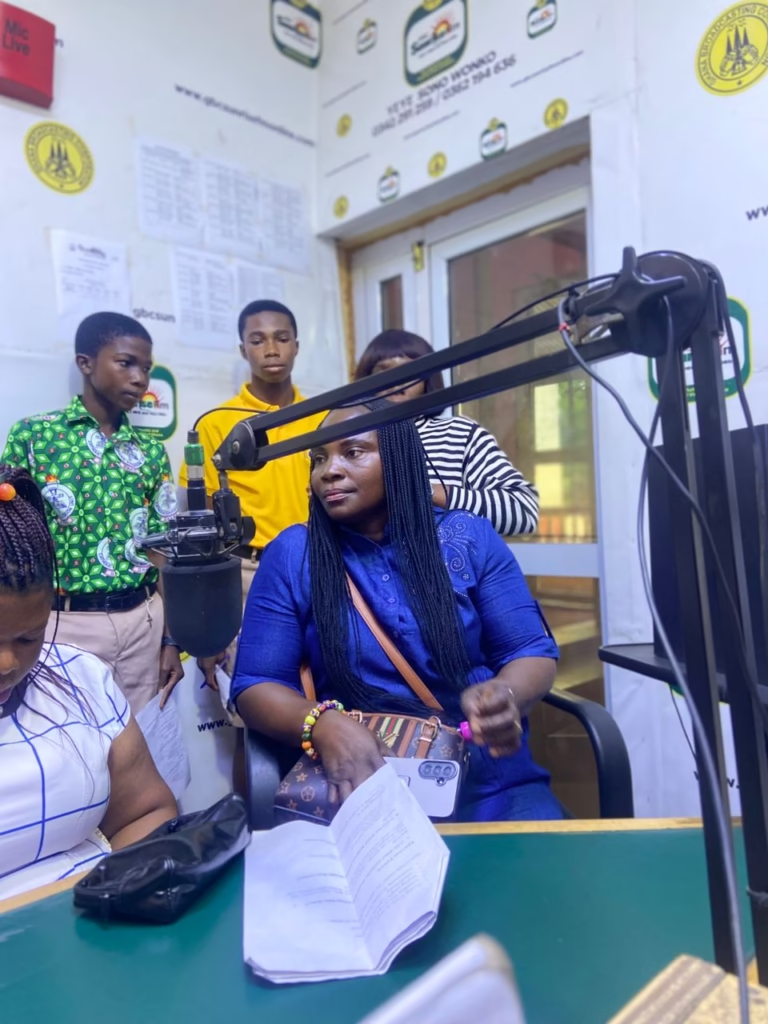
“There are many issues we do not often discuss in schools. This programme has helped students better understand their rights, responsibilities and the proper use of social media. While we cannot completely separate ourselves from social media, we can learn to use it effectively and responsibly,” she said.
She also called on parents to actively monitor and guide their children’s online activities.
“Parents should not simply hand over mobile phones to their children without supervision. They must guide them and establish appropriate restrictions to ensure social media is used positively and safely,” she added.
Madam Rita Adido of Nkurakan R/C JHS noted that social media has become a useful tool for students and young people, but emphasised the importance of verifying information before sharing it.

“As teachers, we have a responsibility to educate students about misinformation, their rights and the dangers associated with irresponsible internet use. This knowledge will help them become more alert and conscious of issues such as cyberbullying and online deception,” she explained.
Mr Amoateng Benjamin, ICT teacher at Wawase R/C JHS, applauded the NCCE for bringing the initiative to schools, saying it would benefit both students and educators.
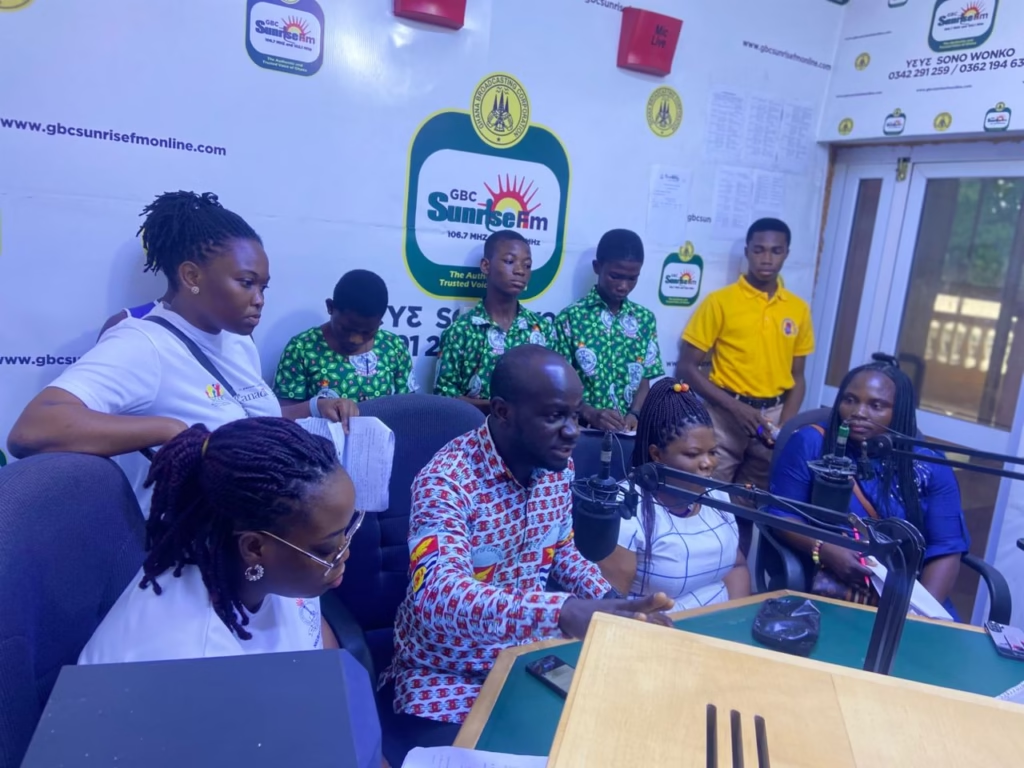

“In this digital era, many students post content online without thinking about the consequences. Programmes like this provide valuable education that helps them become more responsible digital citizens,” he said.
While acknowledging the entertainment value of platforms such as TikTok, he encouraged students to use the internet more productively.
“It is good for students to enjoy entertainment online, but they should also use digital platforms to research, learn new skills and expand on what they are taught in the classroom,” he stated.

Mr Benjamin revealed that he regularly introduces students to Artificial Intelligence (AI) tools and teaches them how to use technology responsibly to support their academic development.
“The internet contains a wealth of information, but teachers have a crucial role in directing students towards reliable and educational content rather than unnecessary material,” he added.
He further appealed to parents to monitor the content their children consume online and encourage the use of educational resources.
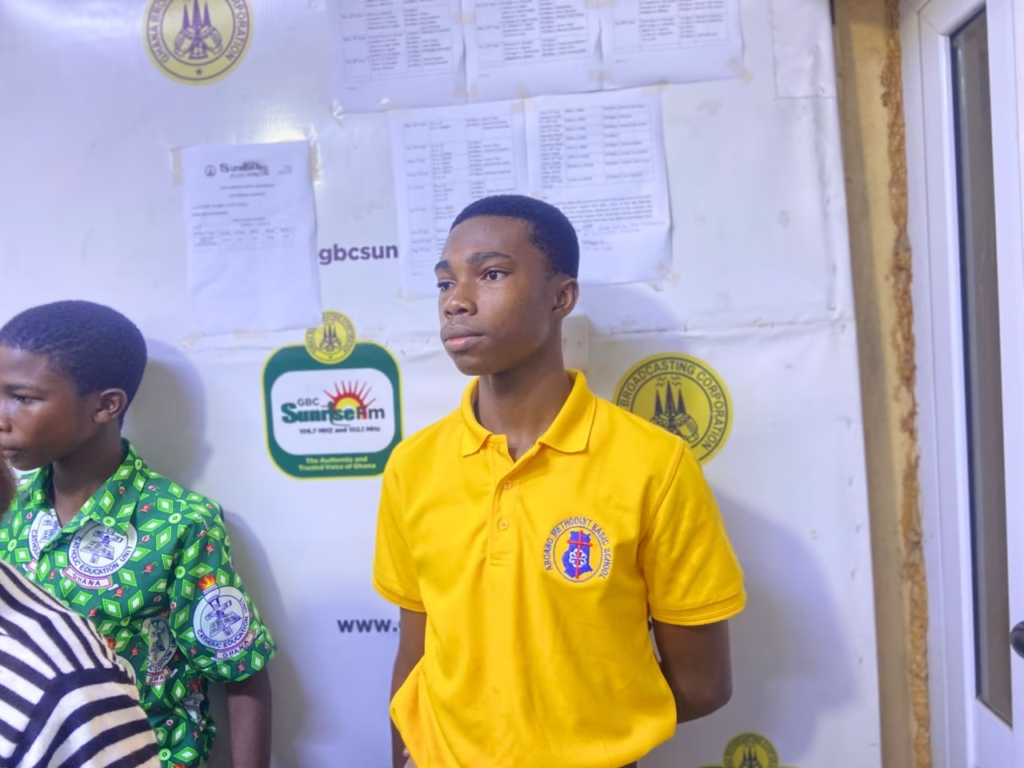
Students who participated in the programme expressed appreciation for the lessons shared during the discussion.
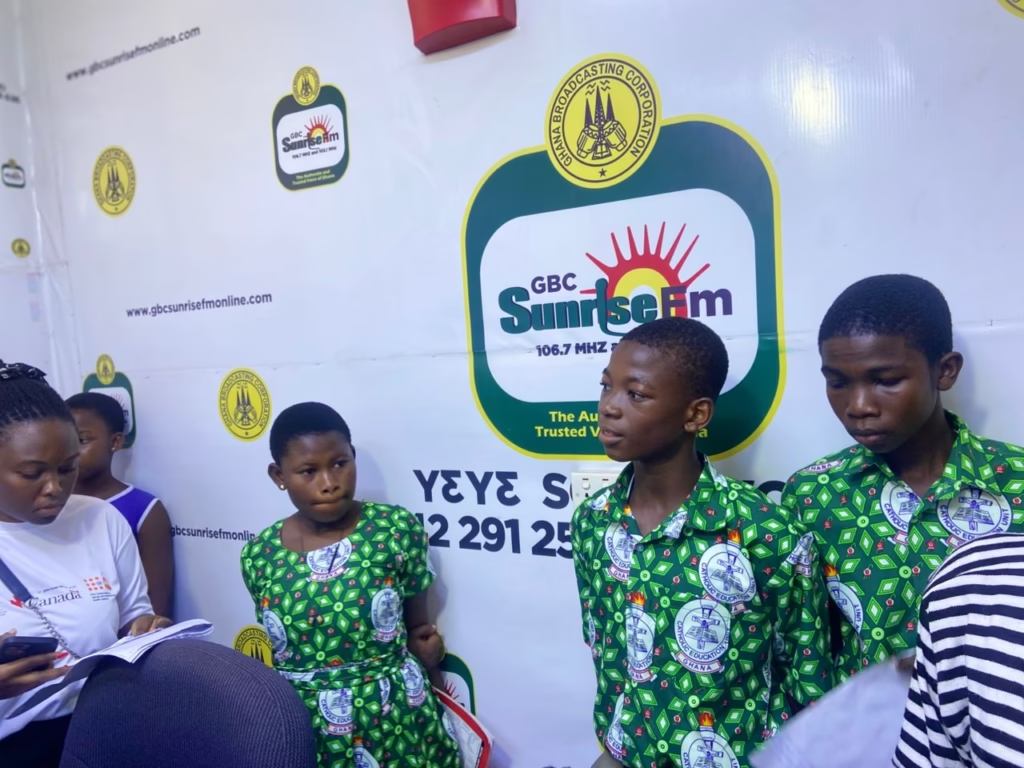
They said they had learned the importance of verifying information before posting it online, protecting their personal information, reporting misinformation and using the internet responsibly.
The students also highlighted their rights to privacy, access to information, freedom of expression and the responsible use of digital platforms for research and academic purposes.

Meanwhile, Madam Ernestina Ahulu of Nkurakan Presbyterian JHS praised the NCCE for its continuous efforts to educate young people on responsible citizenship.
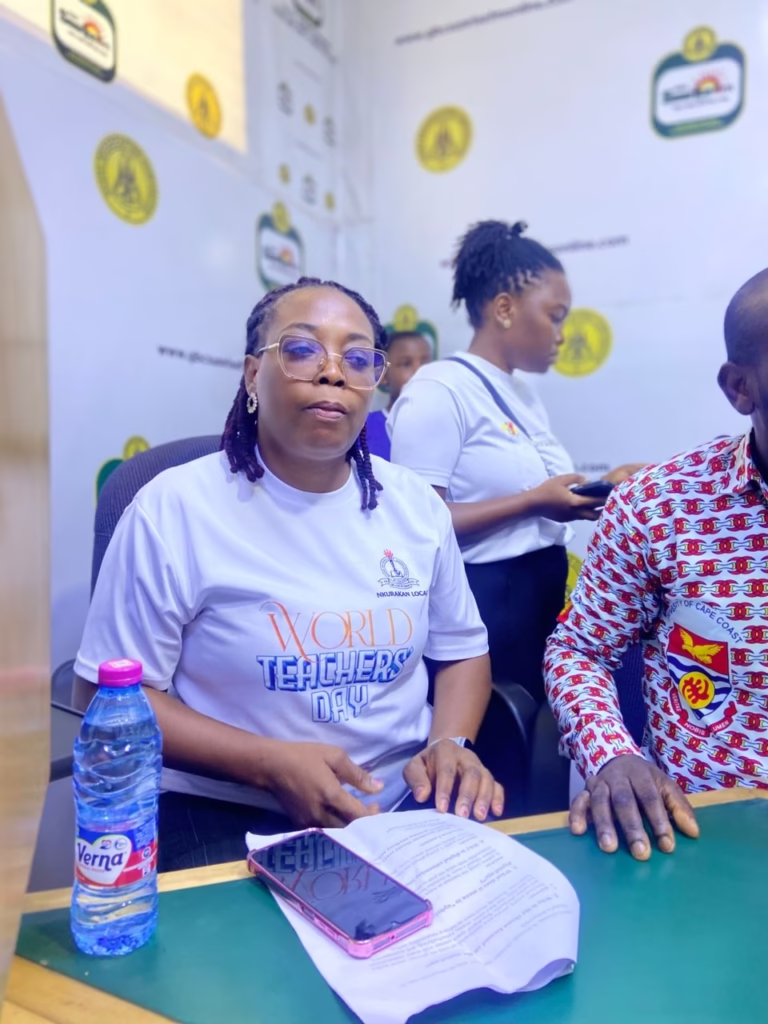
She noted that many students now have access to smartphones and social media platforms but often fail to verify information before sharing it.
“Many young people want to be the first to share information online without confirming whether it is true. Fake news is a serious offence and can create panic, fear and confusion within communities. Programmes like this are important because they encourage students to think critically before posting content online,” she said.
She concluded by urging students to become responsible digital citizens whose online activities contribute positively to peace, democracy and national development.