In a major step towards advancing financial inclusion and promoting ethical banking practices in Ghana, the Islamic Finance Research Institute of Ghana (IFRIG) has organised an International Executive Training and Study Tour on Non-Interest Banking, Capital Markets, and Takaful (Islamic Insurance) in Kuala Lumpur, Malaysia.
The initiative brings together key stakeholders from Ghana’s financial sector to deepen their understanding of non-interest finance and explore best practices from one of the world’s leading hubs for Islamic finance.
The programme forms part of ongoing efforts to strengthen institutional capacity and support the development of a diversified financial system that promotes inclusion, ethical investment, and sustainable economic growth.
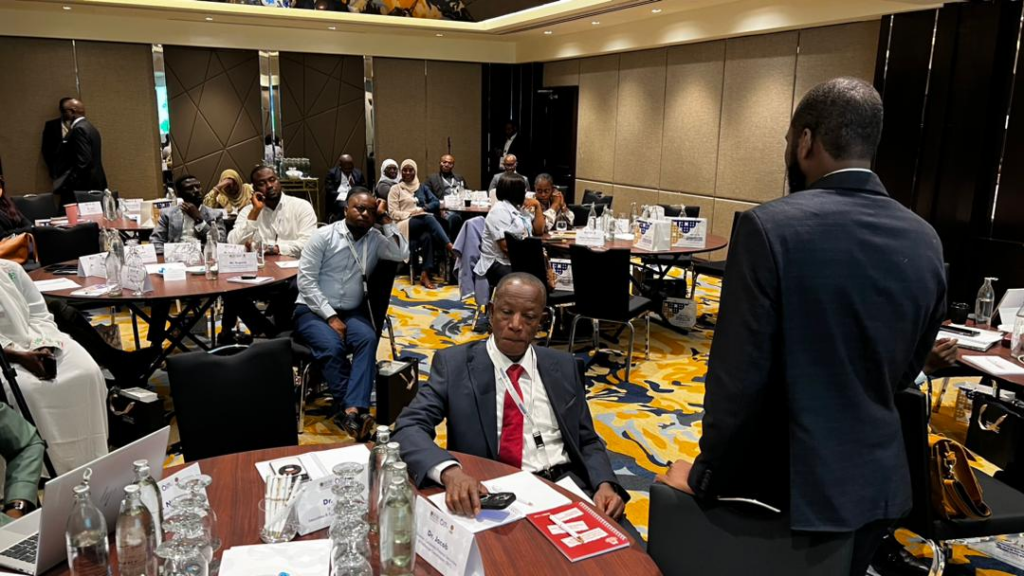
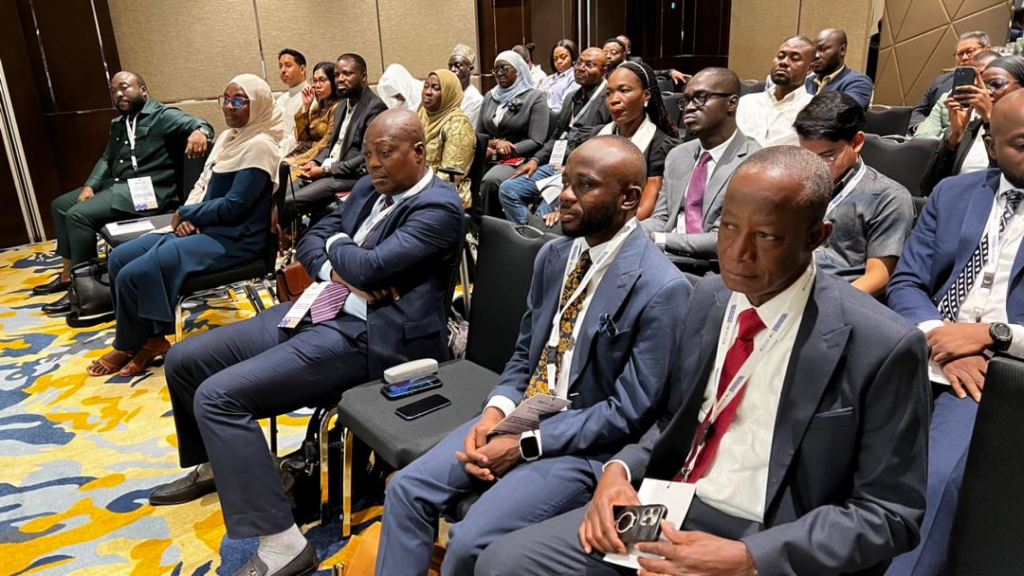
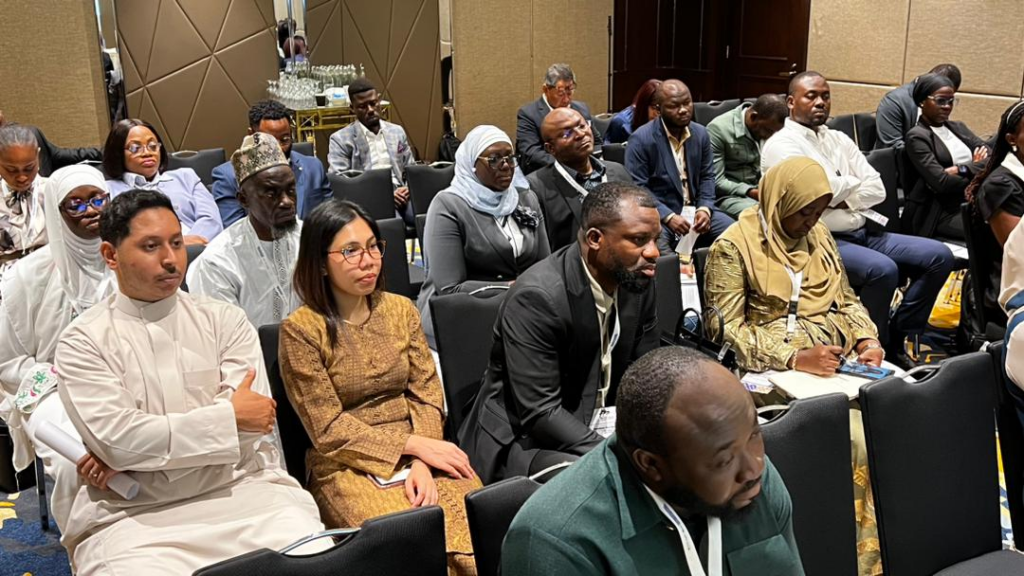
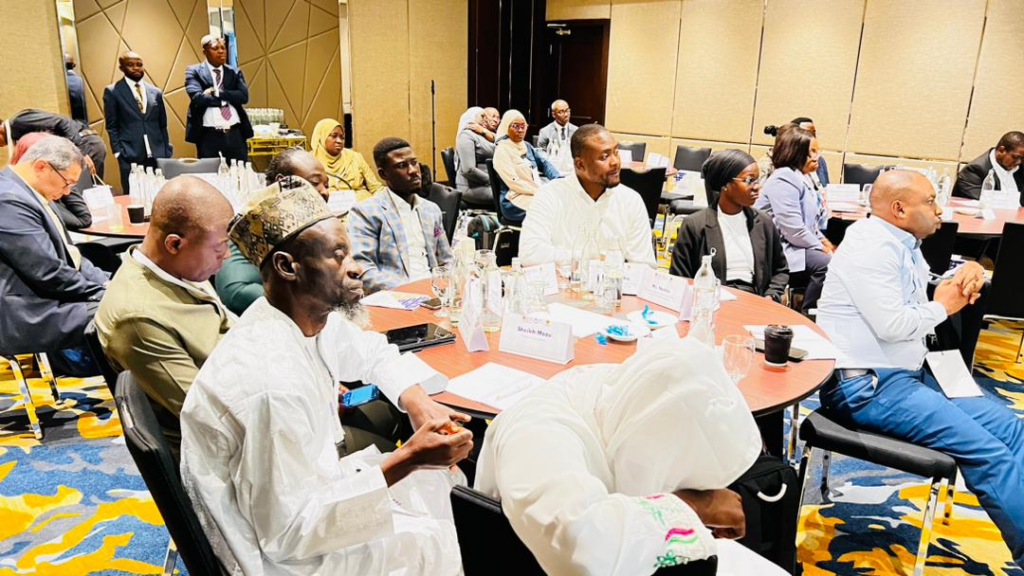
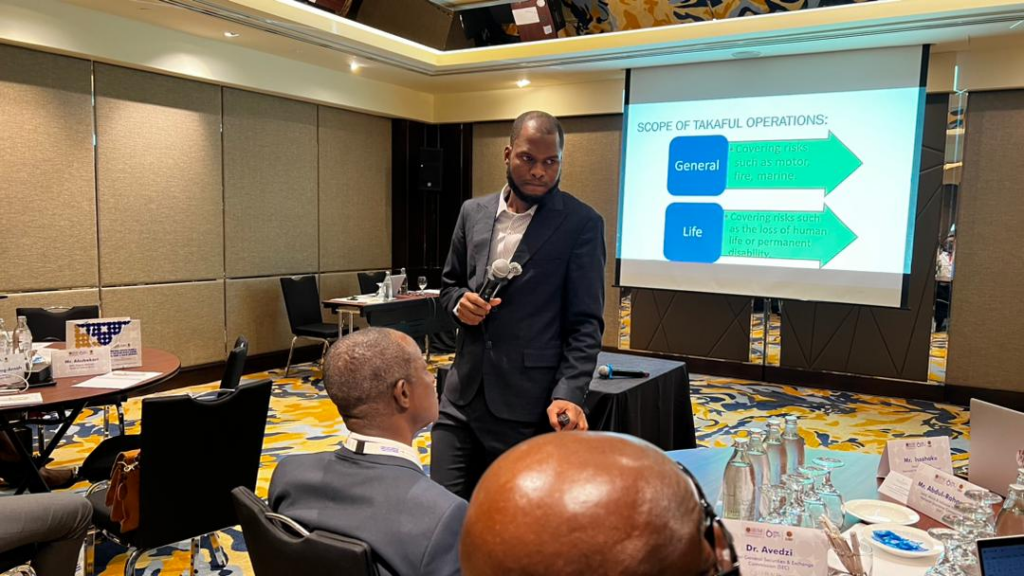
The five-day program, running from June 22–26, brings together professionals from the financial sector of Ghana, Nigeria, Malaysia, and beyond to gain first-hand exposure to Malaysia’s world-renowned dual-banking system, Sukuk (Non-Interest bond) markets, and regulatory framework considered the most advanced of its kind globally.
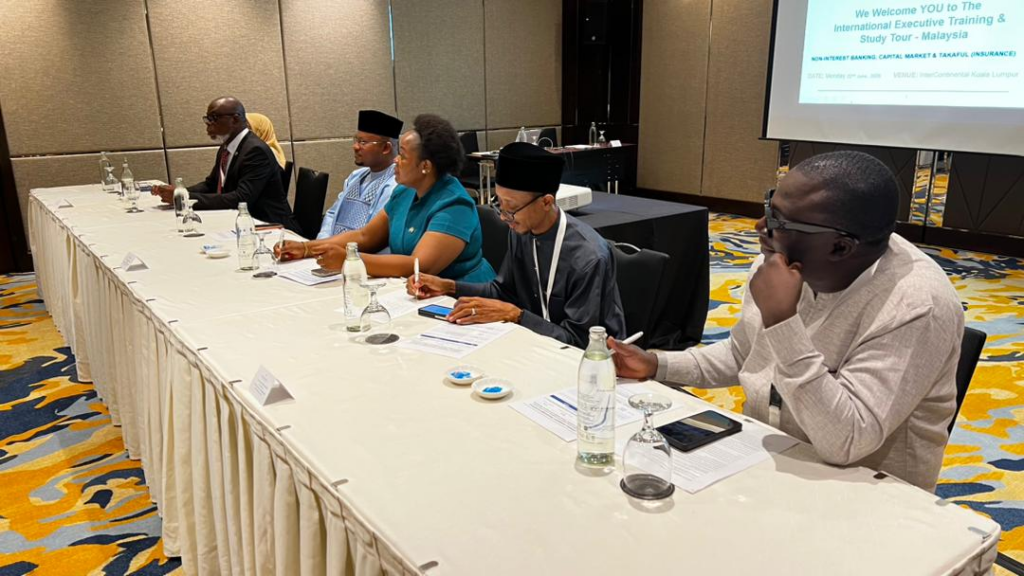
The training programme also brought together senior officials from key financial sector regulators, including representatives from the Securities and Exchange Commission (SEC), led by its Director-General, Dr. James Klutse Avedzi, as well as officials from the National Insurance Commission (NIC).
Their participation underscored the growing interest among regulators and industry stakeholders in developing a robust framework for the successful introduction and oversight of Non-Interest Banking and Finance in Ghana.
Organised in collaboration with the Centre for Islamic Economics (CIE) at the International Islamic University Malaysia (IIUM), the capacity-building programme is designed to equip participants with the knowledge, skills, and practical insights needed to support the growth and implementation of the sector.
The initiative forms part of broader efforts to strengthen institutional readiness, enhance regulatory understanding, and position Ghana to harness the opportunities presented by Non-Interest Banking as a tool for financial inclusion, ethical investment, and sustainable economic development.
Dr. Ali Shaibu, Director General of IFRIG and Deputy Chief Executive Officer of Trustmark Capital Ltd, underscored the critical role of capacity building in the successful implementation of Non-Interest Banking in Ghana.
a professionally rewritten version suitable for a news article:
Speaking at the workshop, Dr. Shaibu stressed the need to equip key stakeholders across the financial sector with the knowledge and expertise required to effectively understand and operate within the non-interest banking framework.
“There’s a need to build the capacity of key industry players to have a full understanding of non-interest banking to aid its implementation in Ghana, as well as help lift the population above the poverty line,” he stated.
According to Dr. Shaibu, enhancing awareness and technical competence among industry practitioners will be essential to ensuring the smooth adoption of the system and maximizing its potential to drive financial inclusion, economic empowerment, and poverty reduction.
A Solution for National Development
Ghana’s Deputy High Commissioner to Malaysia, Prof. Naail Mohammed Kamil, threw his weight behind the initiative, describing Non-Interest Banking as a viable and innovative solution to many of the country’s economic and development challenges.
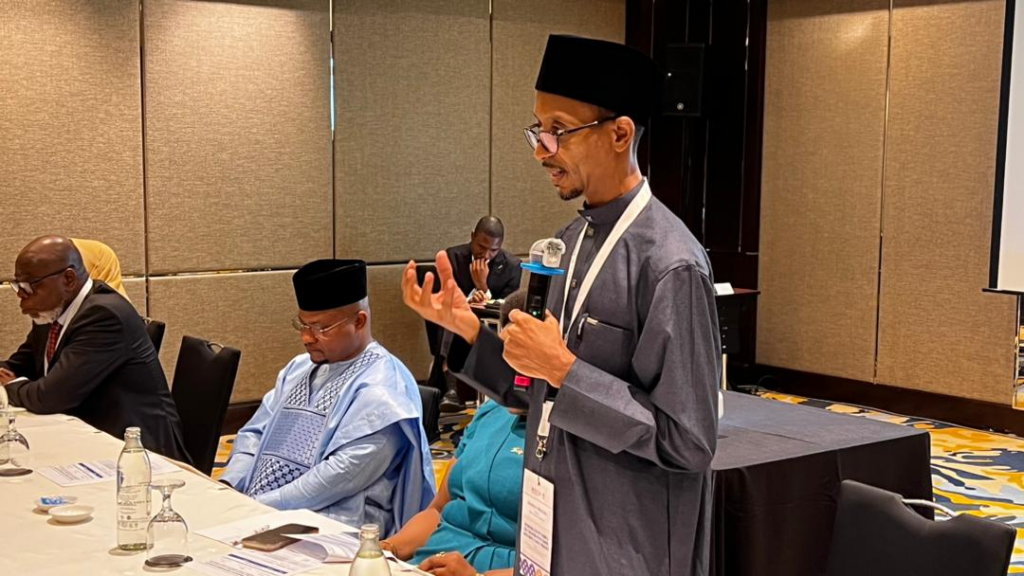
Speaking at the workshop, Prof. Kamil expressed confidence in the model’s ability to support sustainable growth, promote financial inclusion, and unlock new opportunities for investment and entrepreneurship.
He argued that Non-Interest Banking offers an alternative approach to financing that aligns with ethical principles while addressing critical gaps in Ghana’s development agenda.
According to him, the successful implementation of the system could play a significant role in accelerating national development and creating a more inclusive financial environment for all Ghanaians.
“Non-Interest Banking is the best alternative to solving Ghana’s development problems,” Professor Naail stated. “It discourages speculation, encourages productive economic activity, and aligns finance with real assets. For a developing nation, this is exactly the kind of financial architecture we need.”
Attahiru Maccido, Managing Director of Trustmark Co. Ltd. and one of the lead facilitators of the workshop, expressed confidence in the potential of non-interest banking to drive business growth and economic transformation in Ghana.
According to him, the banking model offers unique opportunities for entrepreneurs and businesses by promoting ethical financing and expanding access to financial services.
“Non-interest banking has what it takes to help transform the business community in Ghana,” Maccido stated.
He also sought to correct the widespread perception that non-interest banking is exclusively designed for Muslims, stressing that its benefits extend to people of all backgrounds.
“Non-interest banking is not only for Muslims; it is meant for all of humanity,” he said, emphasizing its inclusive nature and broad appeal as an alternative financial system.
Regulatory Confidence
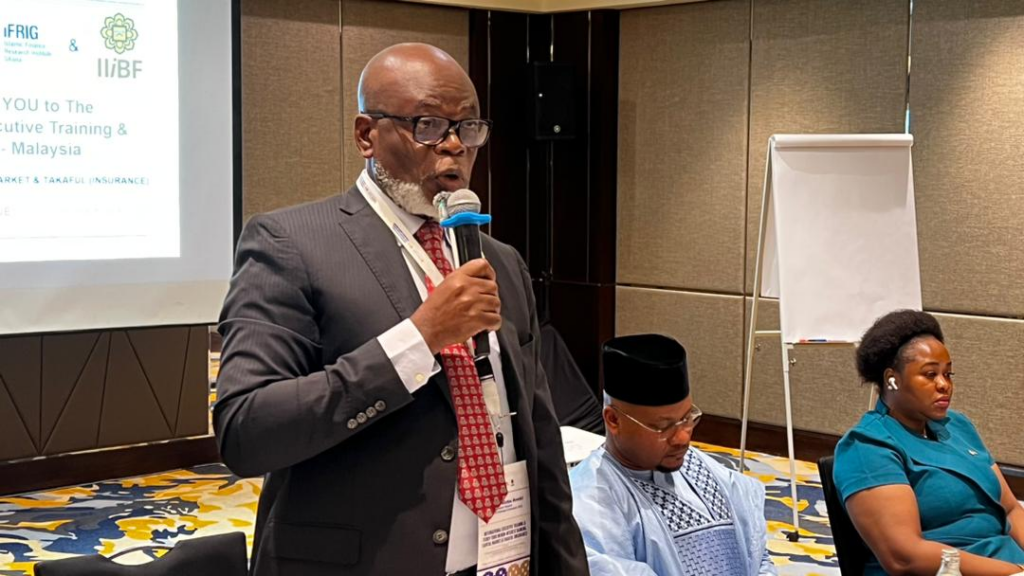
Professor Gatsi sought to dispel concerns that the introduction of non-interest banking could undermine Ghana’s conventional banking sector, stressing that the two systems are designed to coexist rather than compete for dominance.
“I want to allay the fear that non-interest banking will collapse the current traditional banking system,” he said. “That is not the case. We are here to learn how to build a complementary system — a robust dual-banking framework that offers consumers greater choice, promotes healthy competition, and strengthens overall financial stability.”
The training programme, the first of its kind in Ghana, was organised under the theme: “Strengthening Capacity in Ethical Finance, Financial Inclusion and Sustainable Economic Development.”
As Ghana moves towards the full integration of non-interest banking into its financial sector, the initiative represents a significant milestone in the country’s efforts to expand financial inclusion, promote ethical finance, and support sustainable economic growth. Stakeholders believe the development will create a more diverse and resilient banking ecosystem capable of meeting the needs of a broader segment of the population.
The program continues through June 26, with participants expected to return home equipped with practical insights and best practices from Malaysia’s successful Islamic finance model.