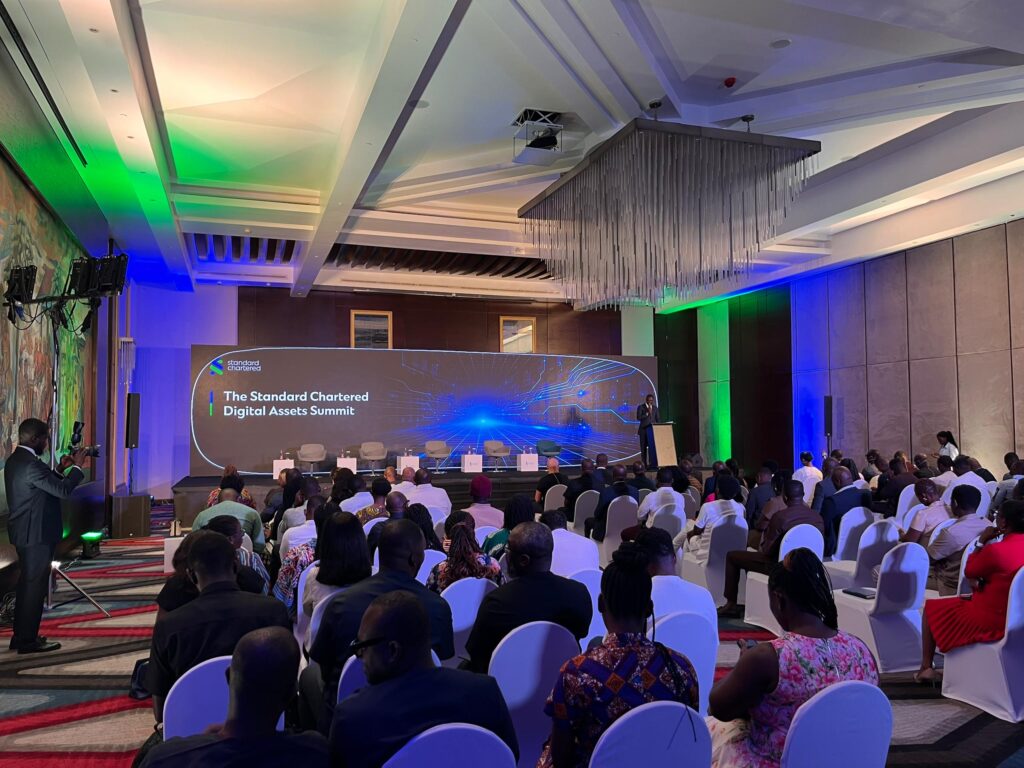
Standard Chartered has hosted its inaugural Digital Assets Summit in Accra, bringing together regulators, financial industry leaders and technology experts to discuss the growing influence of digital currencies, stablecoins and other digital assets on the future of finance.
The summit highlighted how the rapid adoption of digital assets is transforming payment systems across Africa and around the world, creating new opportunities to make cross-border transactions faster, more affordable and more accessible.
At the same time, participants emphasised the importance of developing robust regulatory frameworks, effective risk management systems and trusted financial infrastructure to support the sustainable growth of the sector.
Speaking at the event, Standard Chartered’s Global Head of Digital Assets, Rene Michau, said digital assets are increasingly reshaping the way individuals and businesses move, store and manage money.
He noted that stablecoins, in particular, are driving a shift in payments and savings activity beyond traditional financial channels, offering greater efficiency and flexibility for users.
According to Mr. Michau, while these developments present significant opportunities for innovation and financial inclusion, they also underscore the need for strong regulatory oversight and sound risk management practices to maintain trust and stability within the financial system.
He stressed that as digital assets become more deeply integrated into the global financial landscape, collaboration among regulators, financial institutions and technology providers will be critical to ensuring that innovation is accompanied by appropriate safeguards.
The summit forms part of Standard Chartered’s broader efforts to support dialogue on emerging financial technologies and explore how digital assets can contribute to economic growth, trade and financial inclusion across Africa.
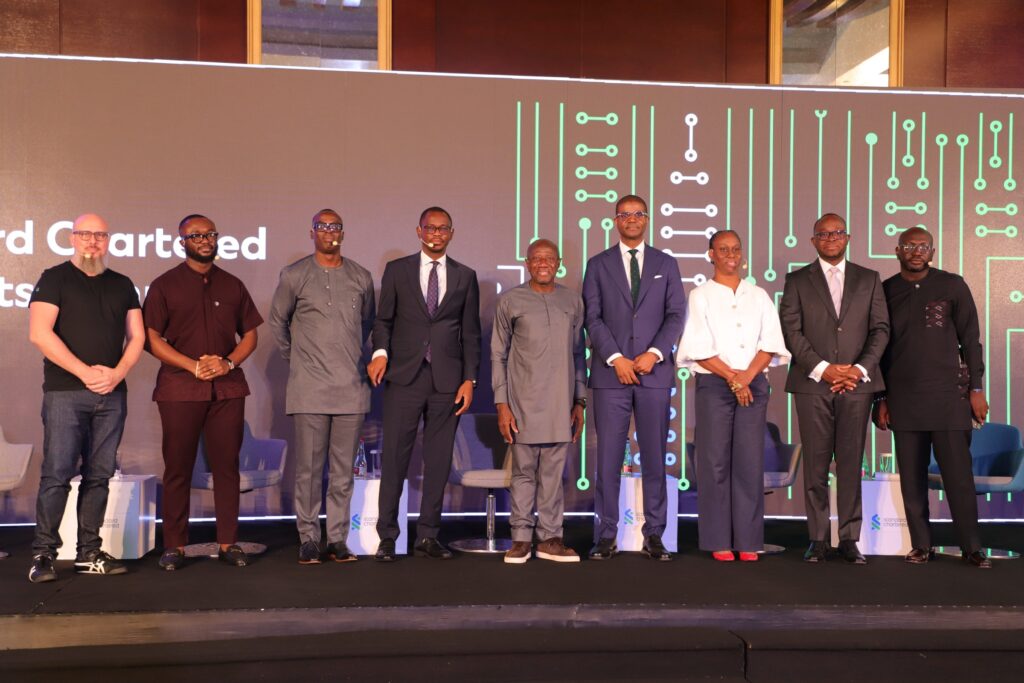
Mr. Michau revealed that Standard Chartered’s research projects significant growth in the global stablecoin market, with its value expected to rise from approximately US$300 billion today to nearly US$2 trillion by 2028.
He said the bank also anticipates a substantial shift of deposits into stablecoins across emerging markets as businesses and consumers increasingly seek faster, more efficient and cost-effective options for payments, transfers and savings.
According to Mr. Michau, stablecoins and other forms of digital money are poised to play a transformative role in the future of cross-border transactions, particularly in regions where existing payment infrastructure remains fragmented and costly.
“The most transformative trend for cross-border payments will be stablecoins and other forms of digital money,” he said, noting that inefficiencies within current financial systems continue to create barriers to seamless trade and payments across African markets.
He observed that digital assets have evolved far beyond their early status as a niche segment of the financial sector and are increasingly becoming an integral part of the broader evolution of money and financial services.
However, Mr. Michau stressed that the long-term success of digital assets will depend on striking the right balance between innovation and regulation. He emphasised the need for robust regulatory frameworks that encourage technological advancement while ensuring transparency, consumer protection and financial stability.
According to him, the future growth of digital assets will be driven by trusted, well-regulated ecosystems that allow innovation to flourish while maintaining confidence in the financial system.