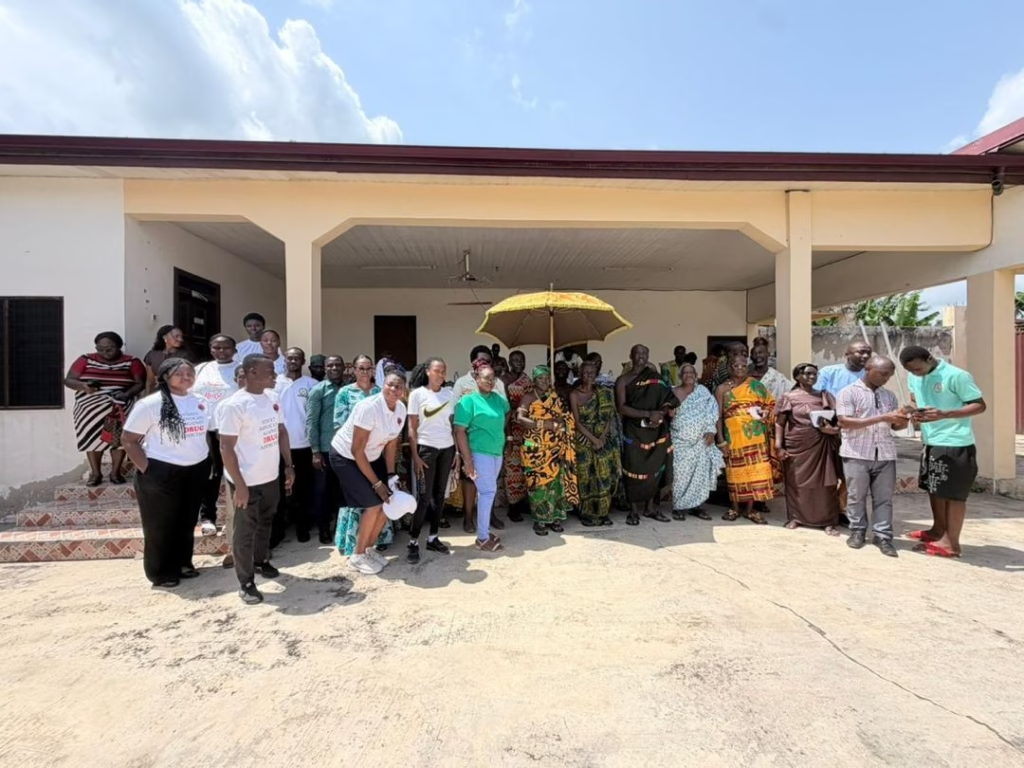
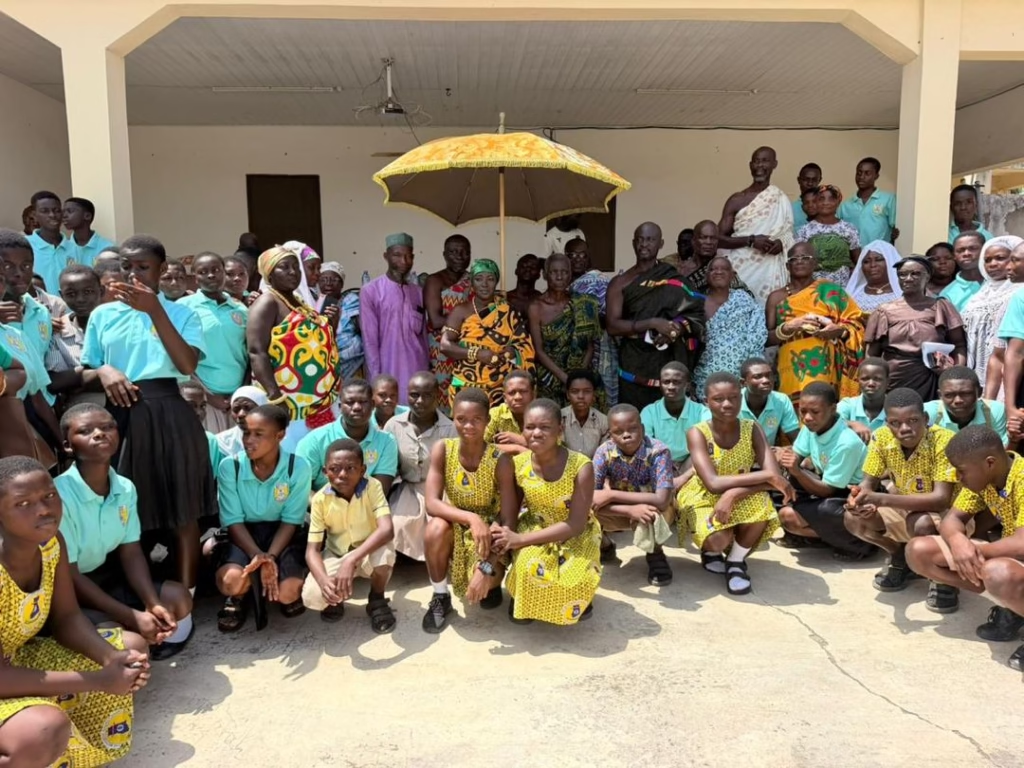
The Eastern Regional Centre for National Culture, New Juaben North Municipal in partnership with the New Juaben North Health Directorate and the Suhyen Palace, has intensified efforts to combat substance abuse through a cultural heritage programme aimed at educating the public on the dangers of drug abuse and mental health challenges.
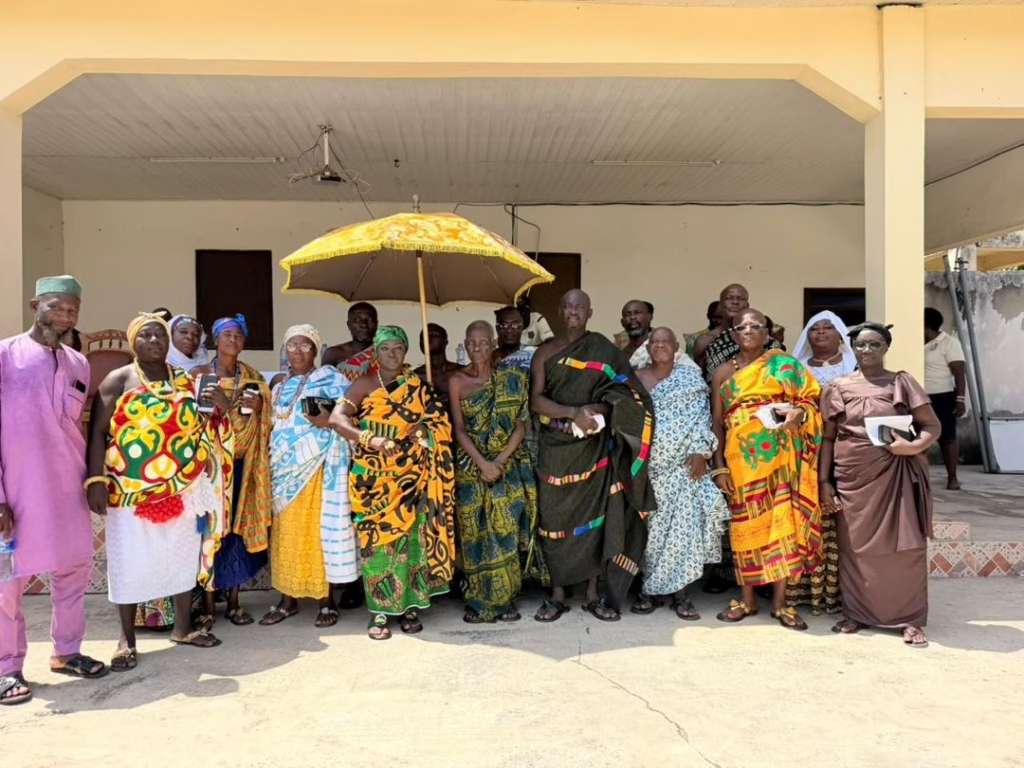
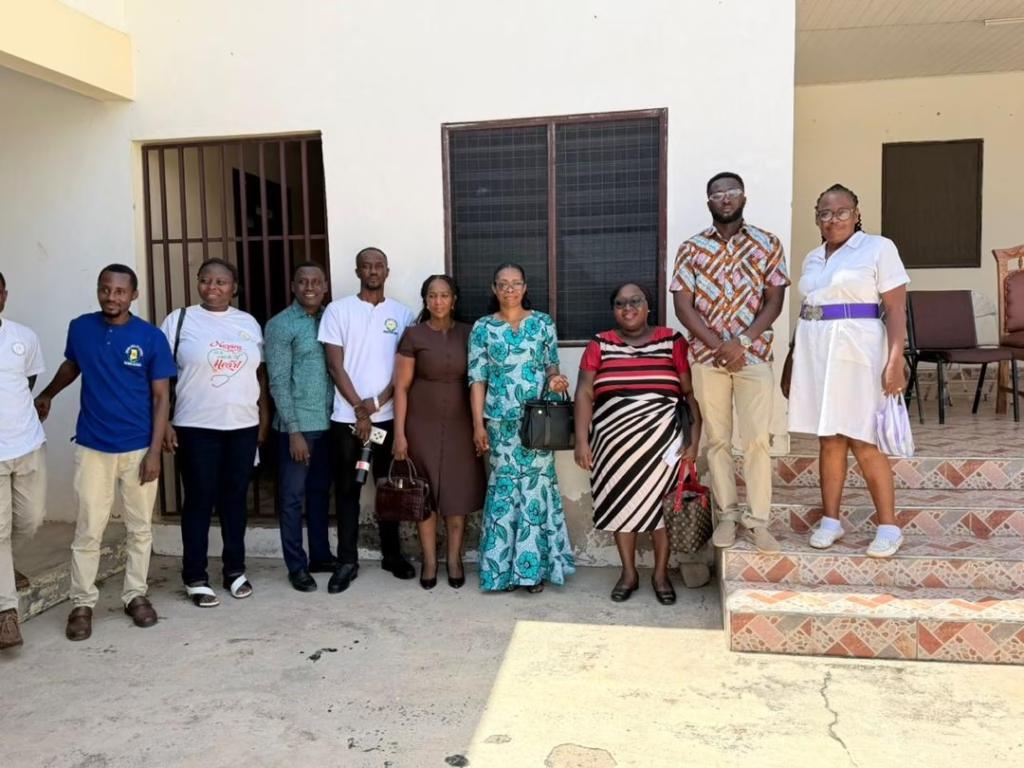
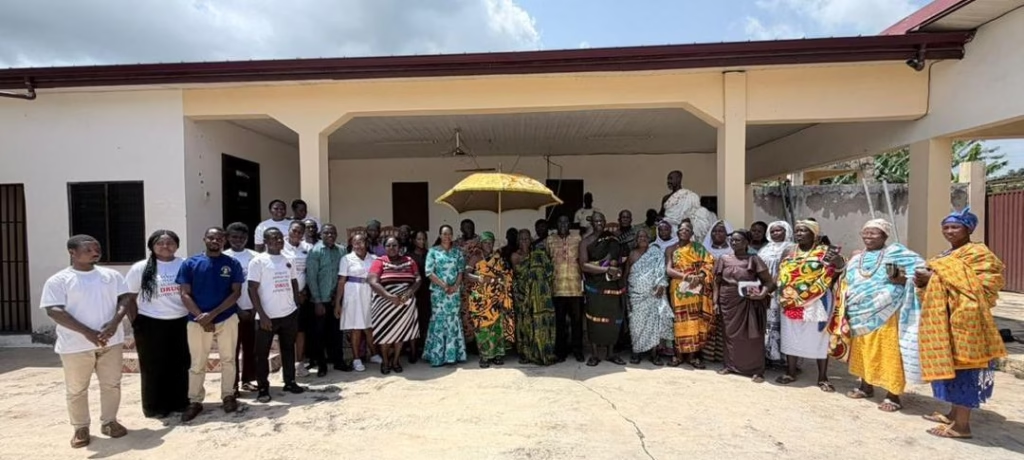
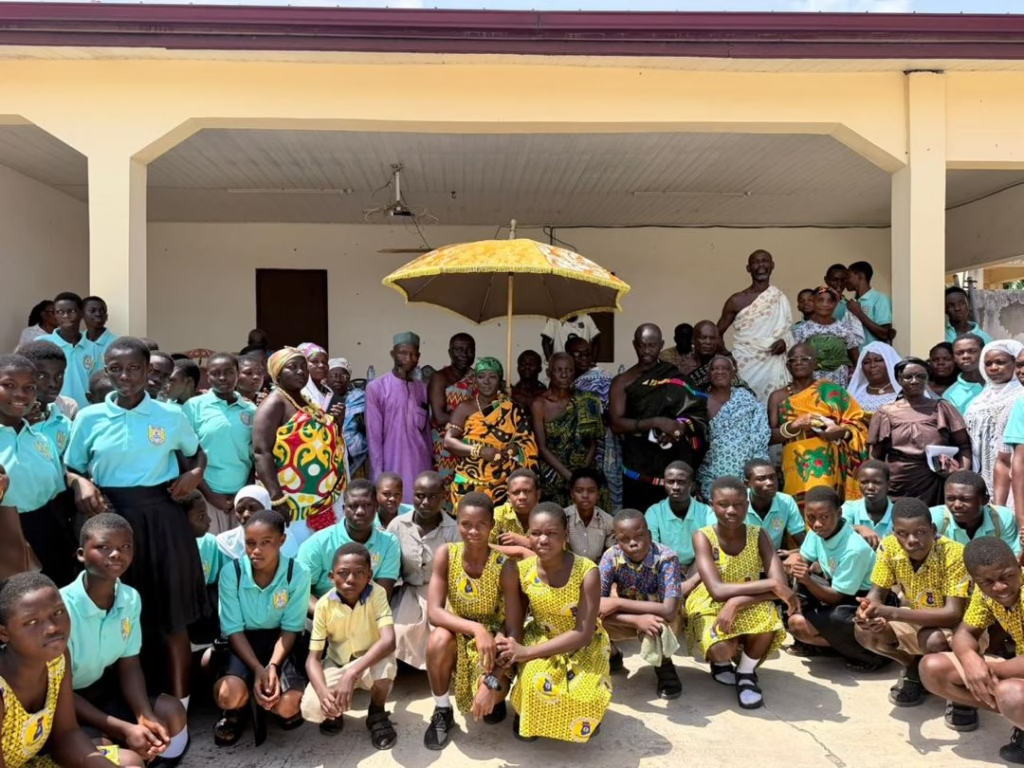
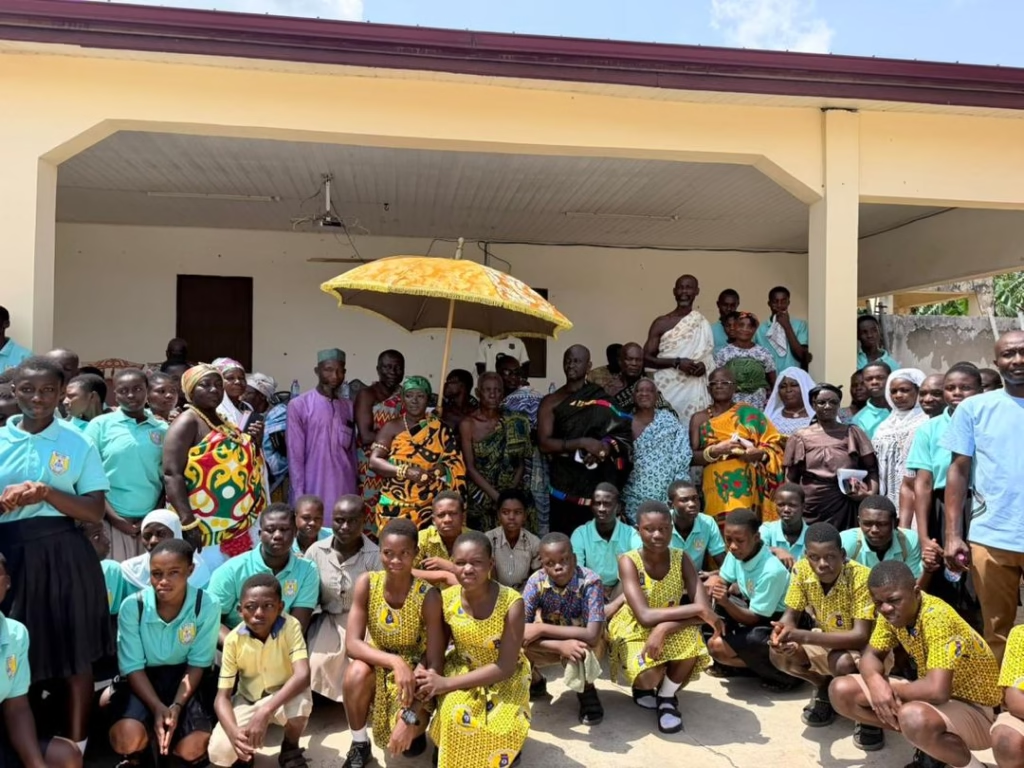
Held at the Suhyen Community Palace under the theme, “The Implications of Drug Abuse and Mental Health,” the programme brought together traditional leaders, health professionals, students, teachers and community members to promote awareness and encourage collective action against substance abuse.

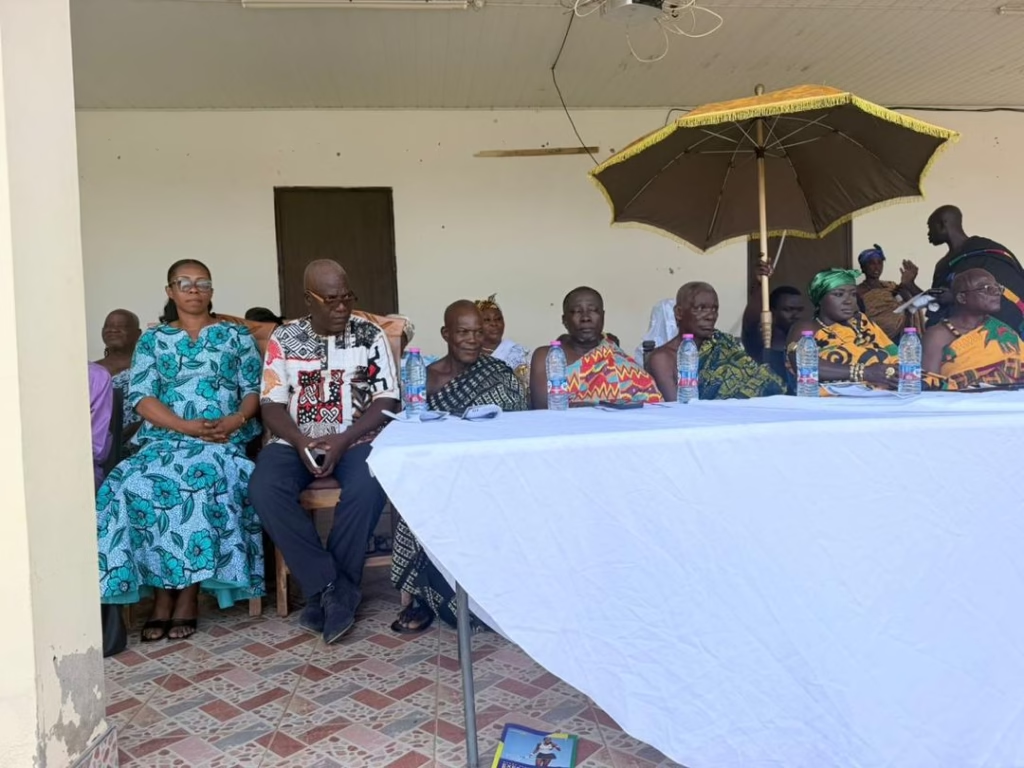
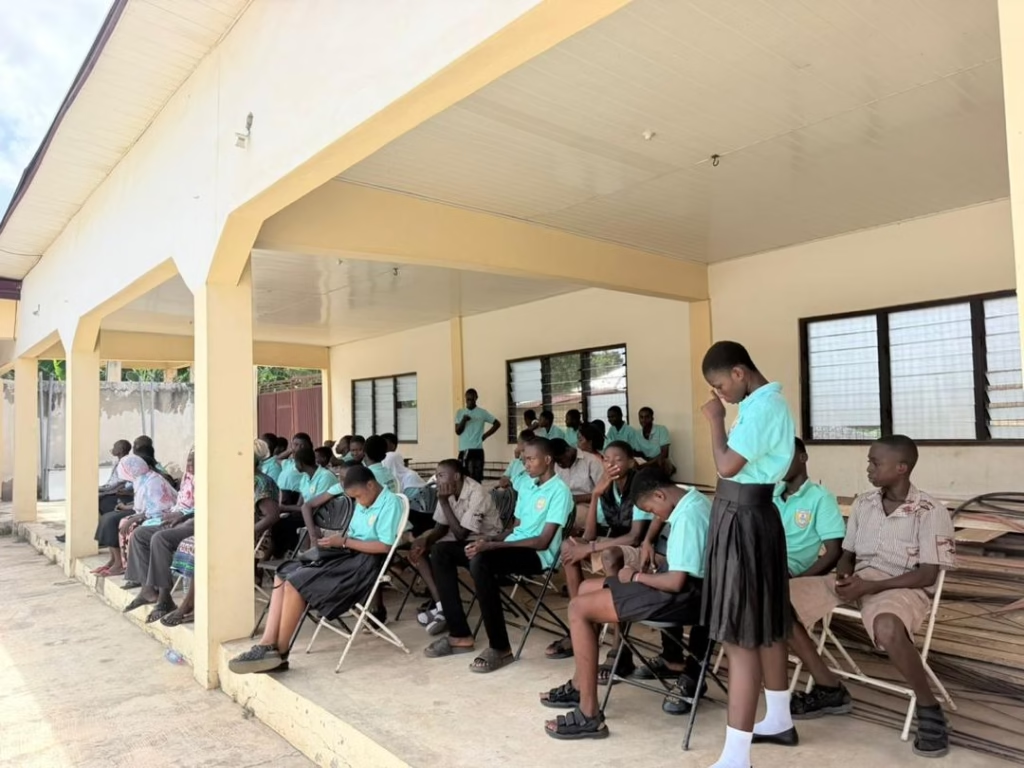
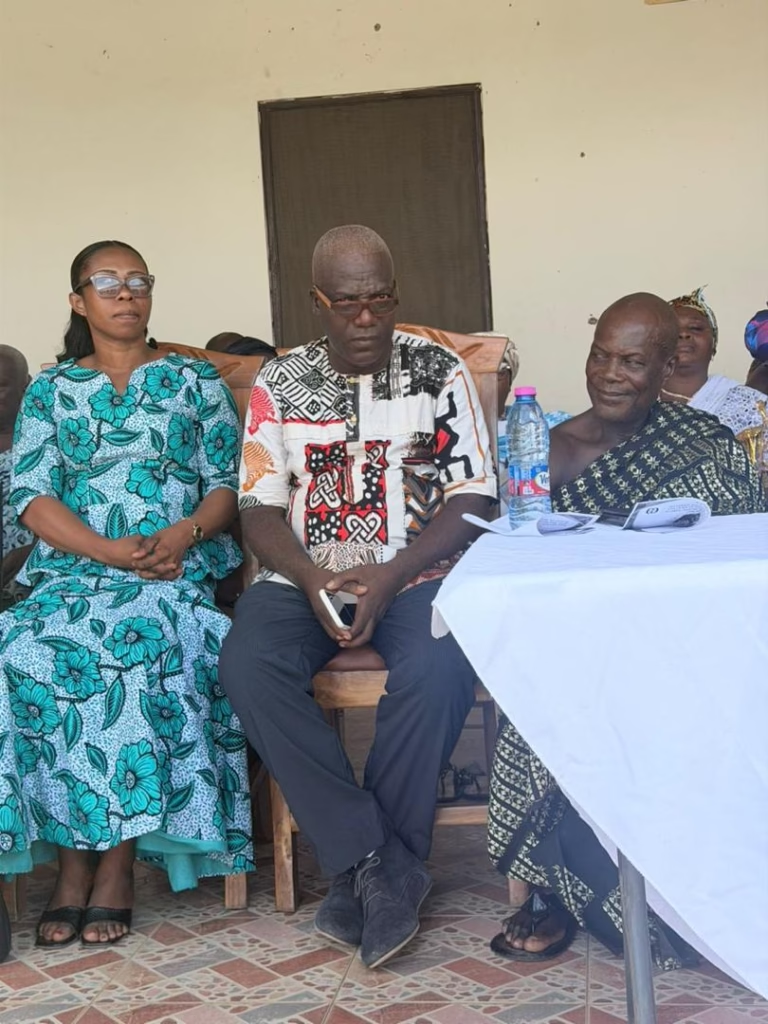
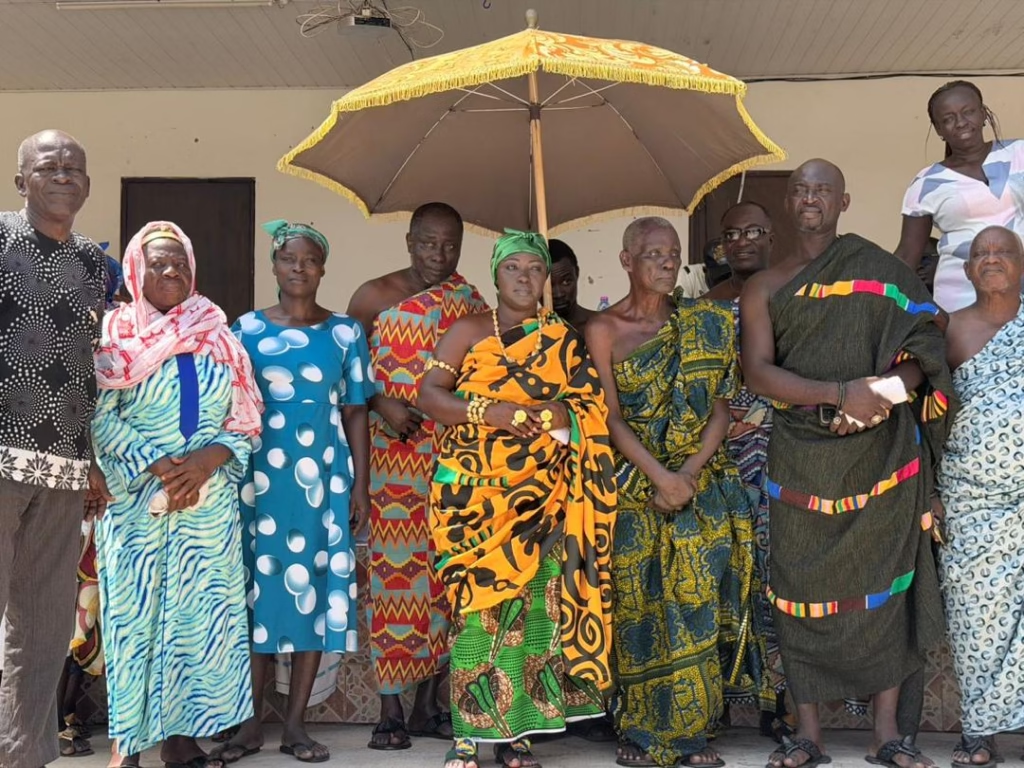
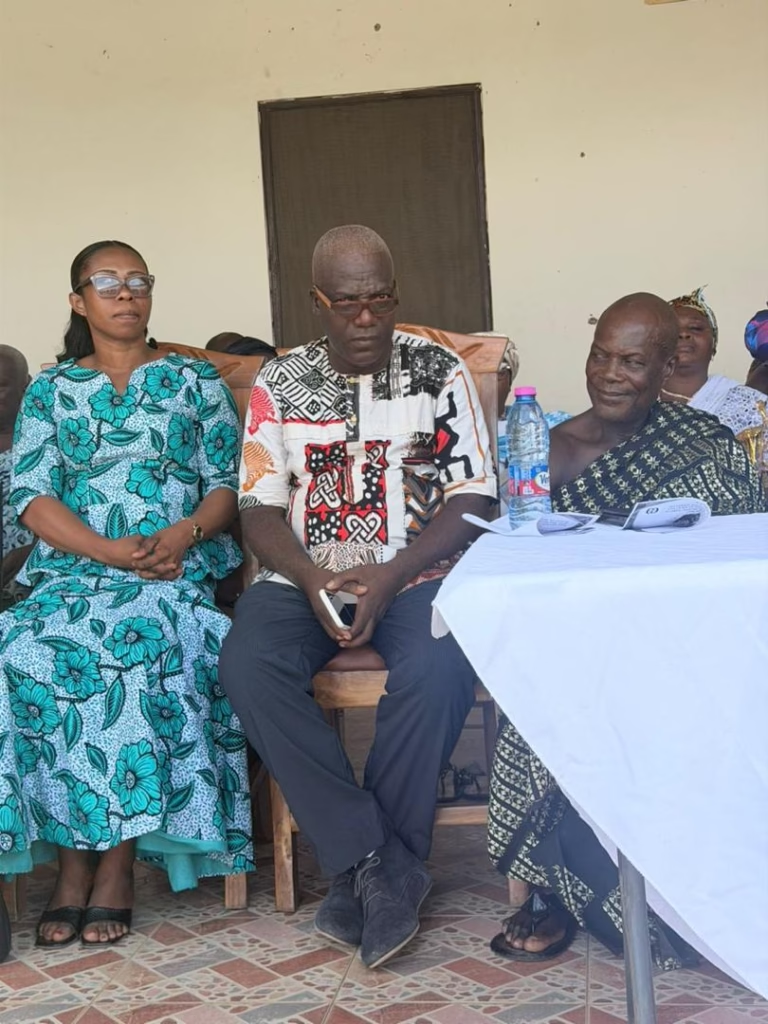
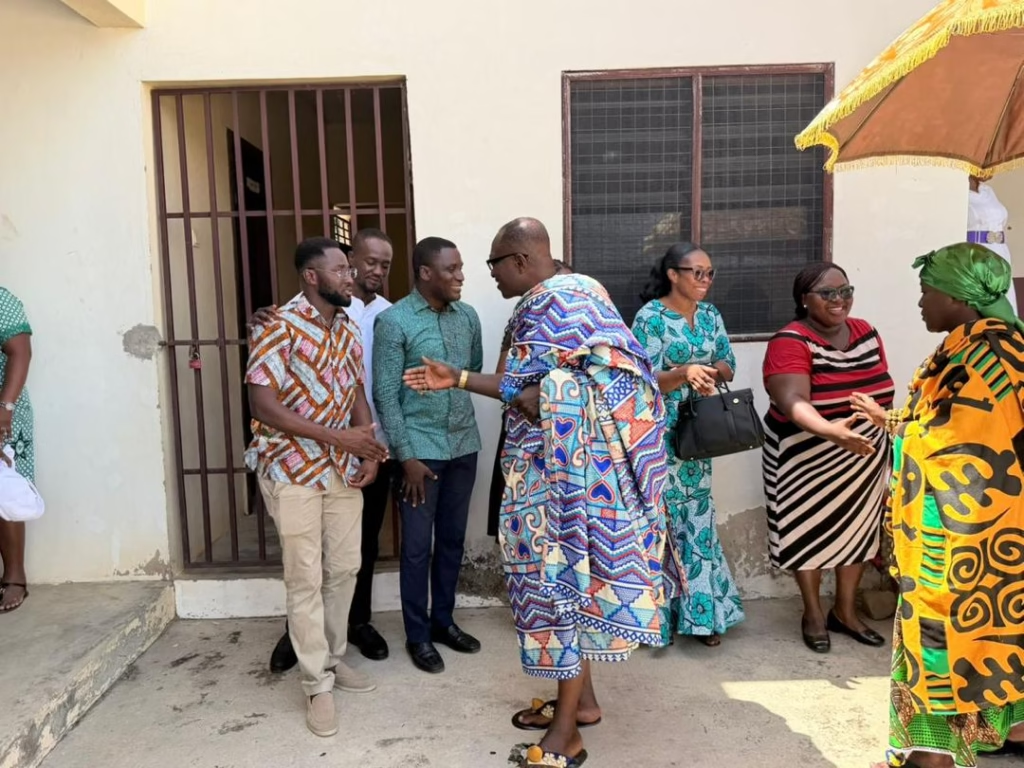
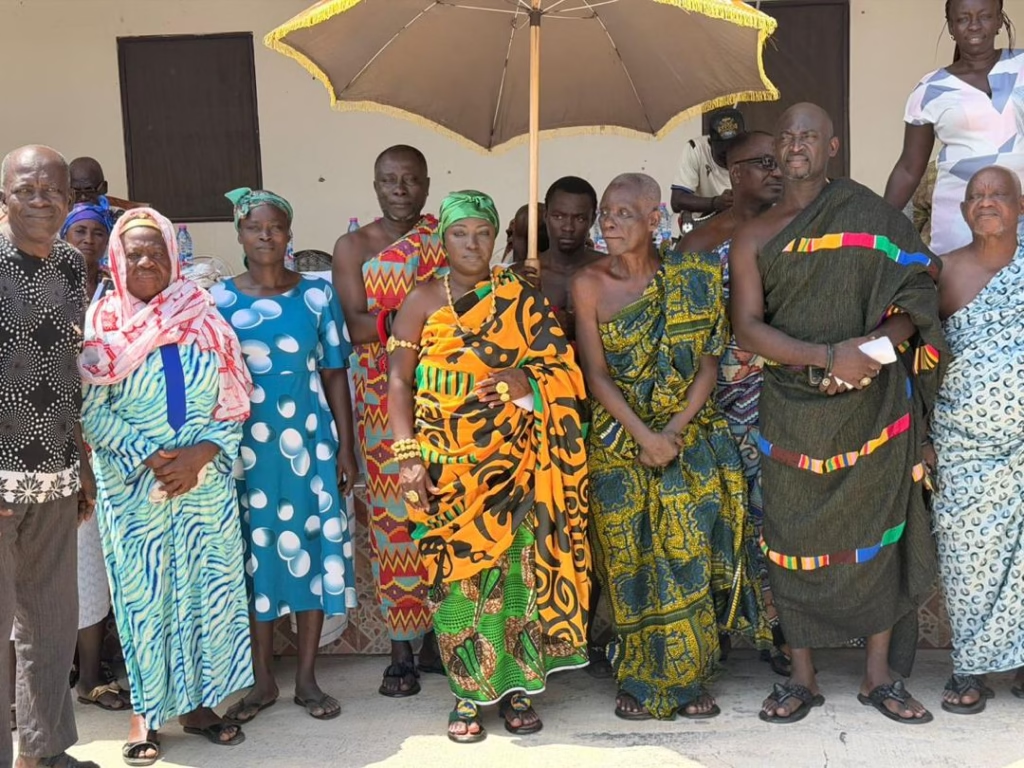
Among the dignitaries present were Nana Amoanimaa Kukudrufo) I – Suhyenhemaa/Mponuahemaa of New Juaben traditional Area, Nana Baffour Ankomah Asare Ankobeahene of Suhyen, Nana Adinkrah- Kosope Nyamkofoue Maweaehene , Torbe Atidamah -Suhyen Awonahene, Madam Eunice korbeti Teacher for Suhyen Methodist school, Nana Obiri Yeboah Asiama – Akwamuhene Suhyen, Odomgya Kwame Yeboah -Suhyen Gyaasehene, Nana Kyame Dwaufo) , Asia Zinabu Abdul Karim -Suhyen Mamabawahemaa, Hon.Samuel Sarpong Boateng – Suhyen and Mpaem Assembly, Abusuapin Kwabena Adjei – Asona Abusuapin Suhyen, Ali Abrahim -Kaladima Suhyen, Nana Amoanimaa, Torbe Ayisah – Suhyen Awona kyidomhene, Mamagah Djamasi -Suhyen Awonahemaa, Nana Asor Sika- Suhyen Twafo)hemaa, Mama Afia Agyei – Suhyen Awona Sanahemaa, Nana Abena Agyeiwah – Suhyen Ankobeahemaa, Hajia Fati Alhassan – Zongo Hemaa.
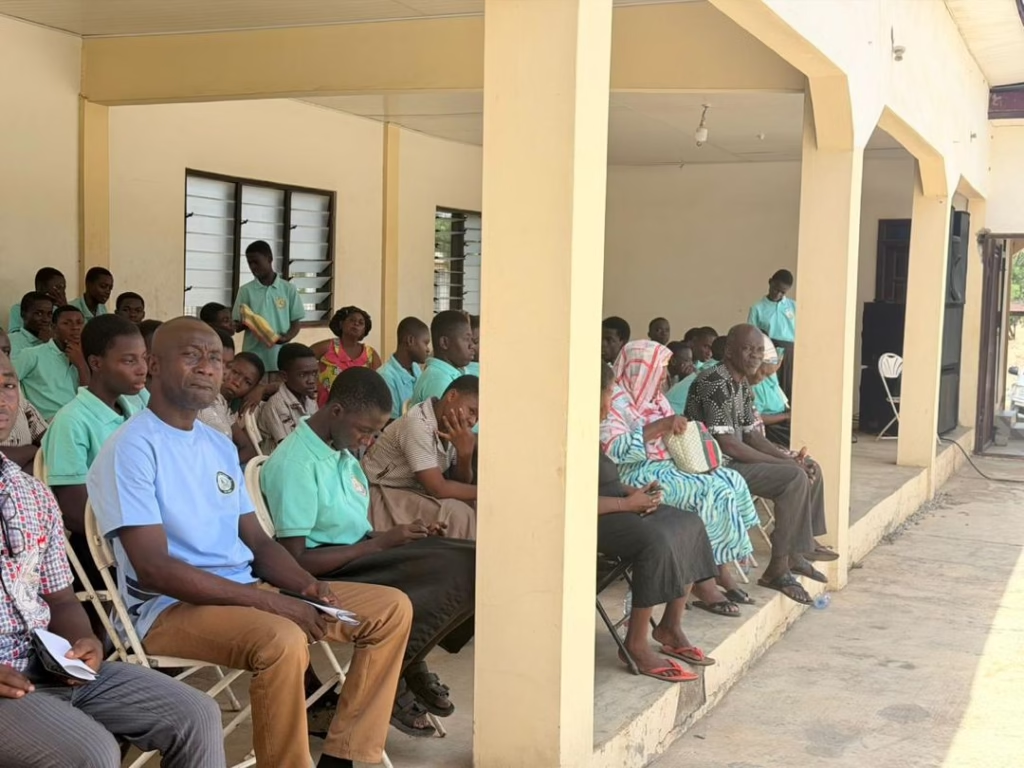
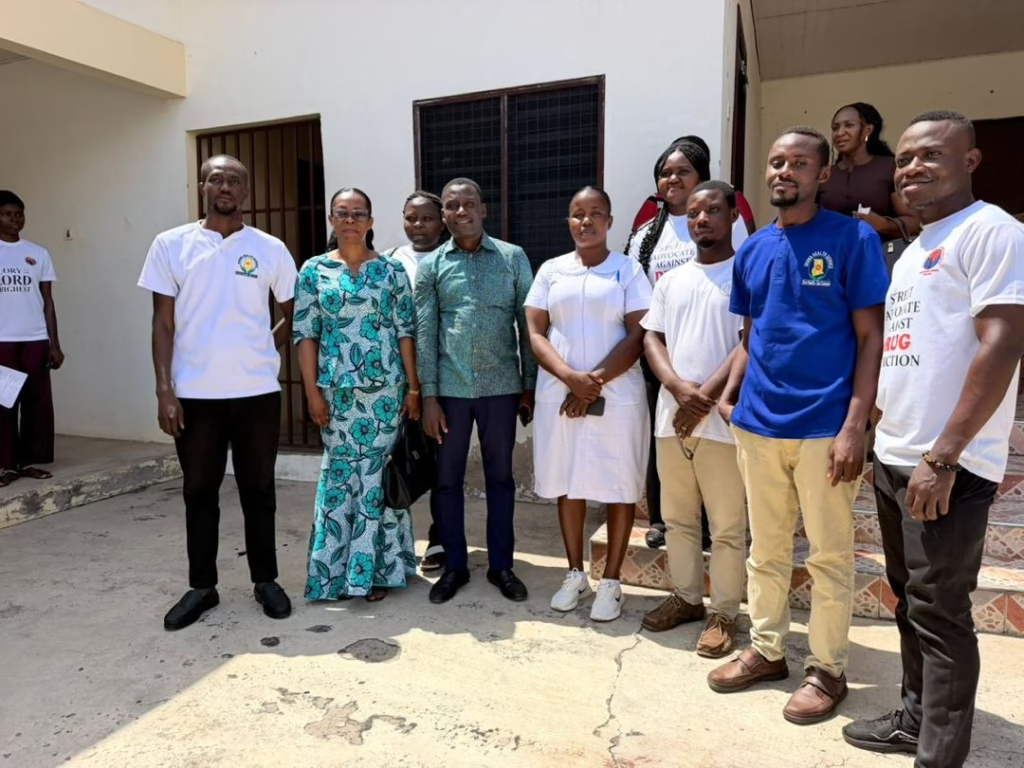
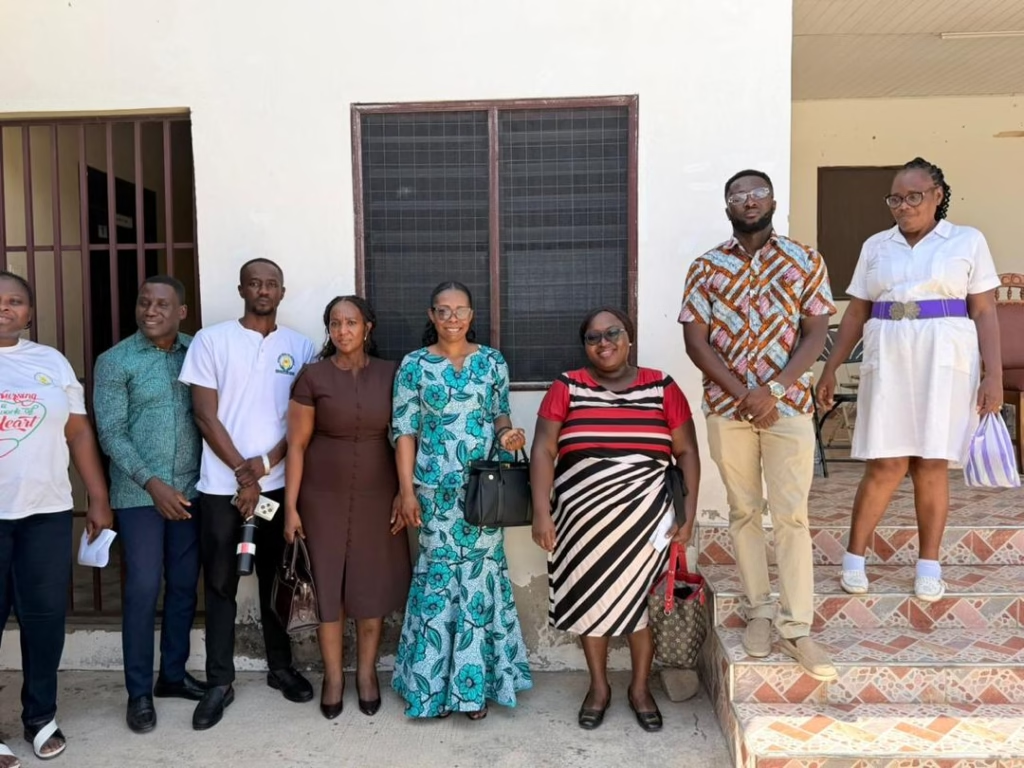
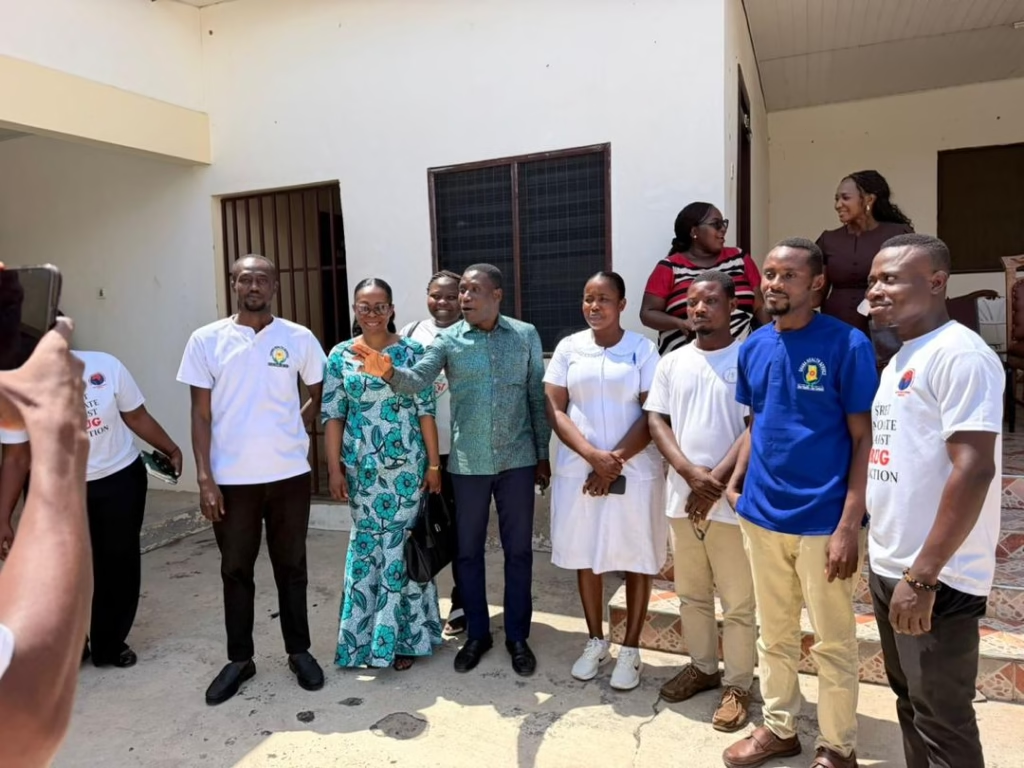
Also present were Regional Mental Health Coordinator and Psychologist, Dr. Akosua Serwaa Bonsu; Municipal Head Physician Assistant, Madam Winifred Padaly; official from the Centre for National Culture, Eastern Regional Head of Research, Monitoring and Documentation, Mr. Michael Abubekr; as well as Mrs. Lydia Abena Manu Adofo, Chief Executive Officer of the Willing Way Rehabilitation and Recovery Centre and her team; Coordinators for the program is Mr. Michael Newman Darko Cultural officer New Juaben North and Mr. Bruce Ankomah Mental Health Coordinator New Juaben North.
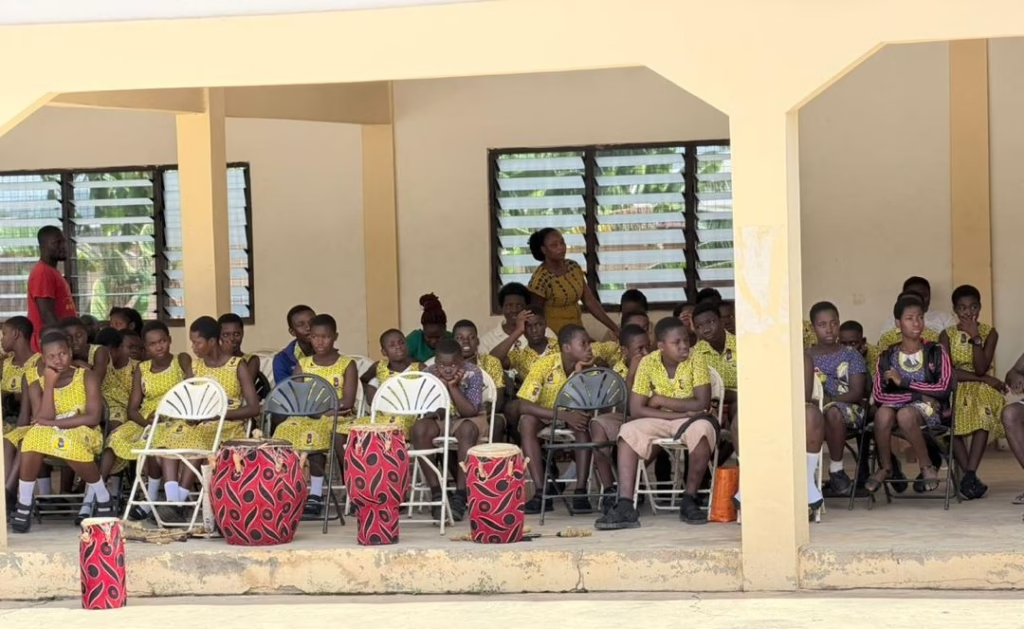
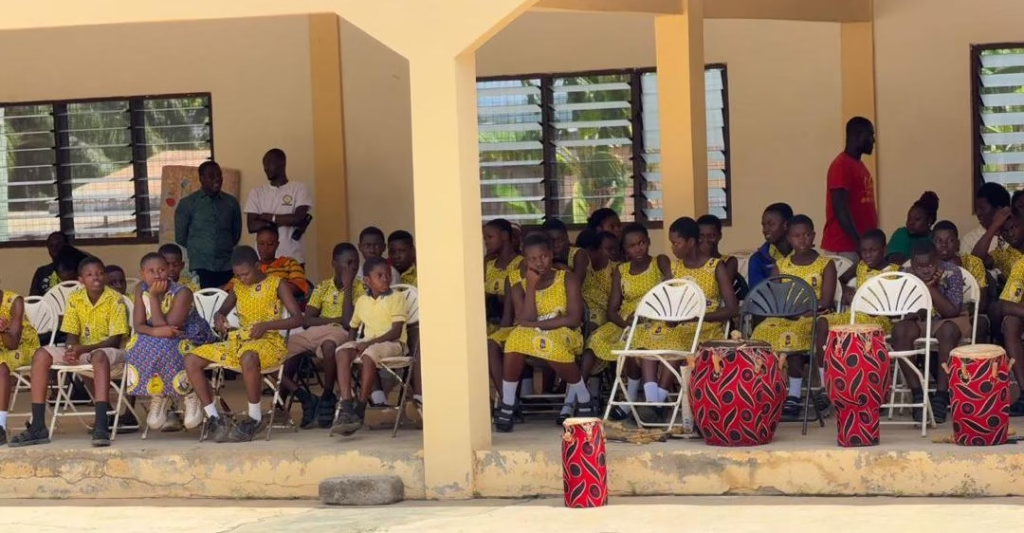
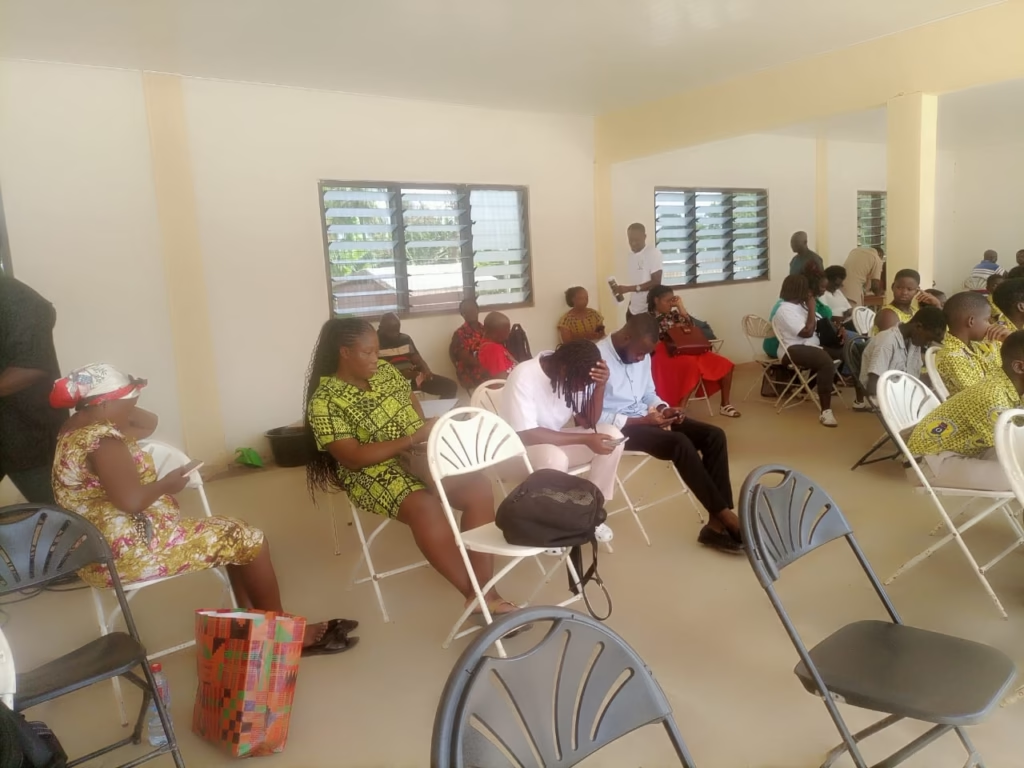
The celebration also featured free health screening by the Ghana Health Service, drama and dance performances, and rich cultural displays that highlighted the uniqueness of Ghanaian traditions. A drama titled The Silent Enemy, written and directed by Emmanuel Nyarko, Head of Performing and Literary Arts, was staged by the Amammerɛonu Adehyeɛ Agofomma drama group to educate the public on the dangers of substance abuse.
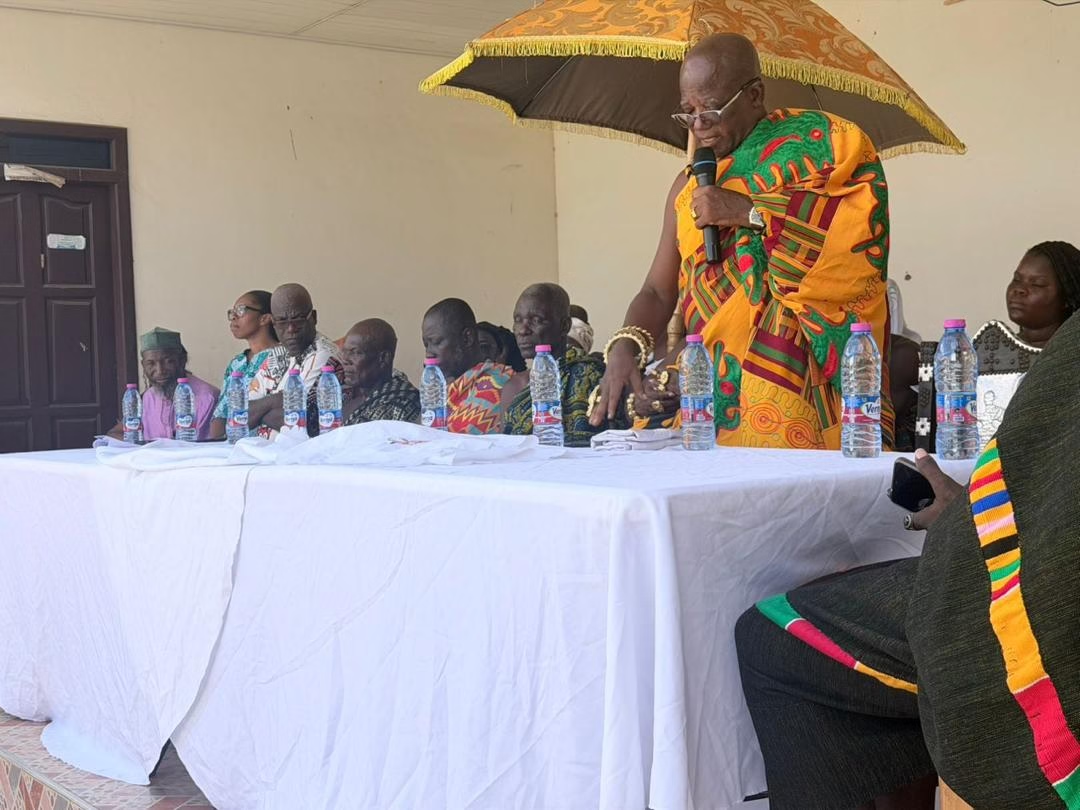
Addressing the gathering, Nana Obiri Yeboah Asiama commended the Centre for National Culture for bringing the programme to the doorstep of the community and involving traditional authorities in the campaign against substance abuse.
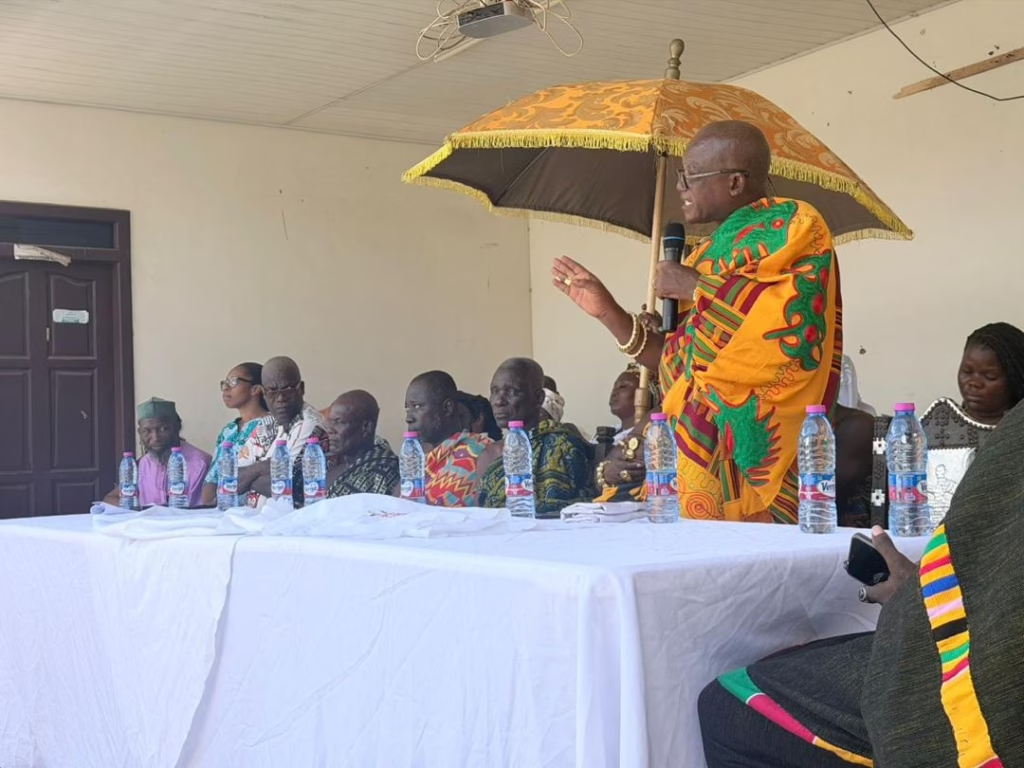
He stressed that the increasing rate of drug abuse among the youth requires urgent collaboration among families, traditional leaders and community members.
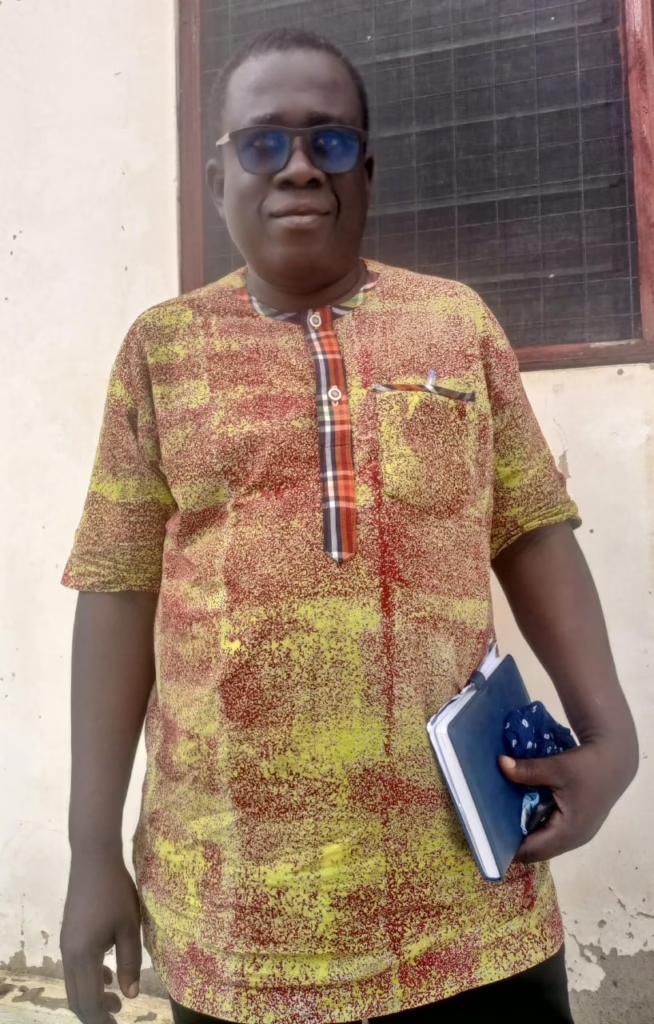
Mr. Michael Abubekr, Eastern Regional Head of Research, Monitoring and Documentation at the Centre for National Culture, explained that substance abuse often begins with the misuse of prescribed and non-prescribed medication.
According to him, although public discussions on substance abuse continue, many communities have failed to take practical steps to address the issue.
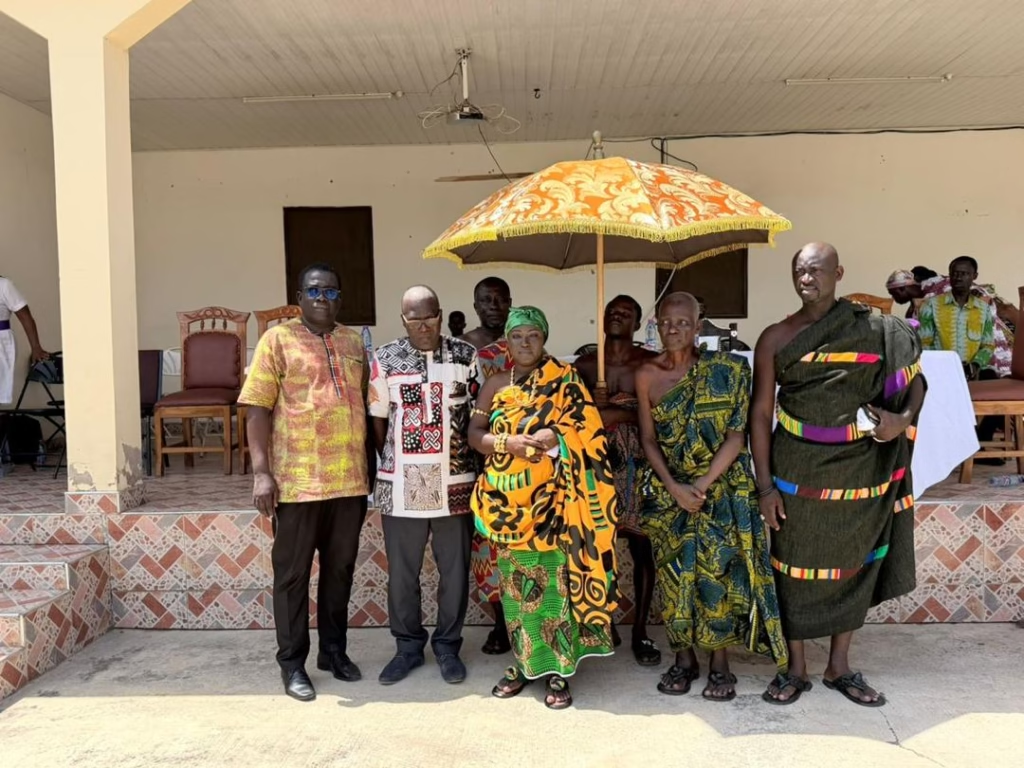
He appealed to traditional authorities and parents to take a firmer role in child upbringing by educating children on both the rights and responsibilities that come with child protection, while addressing negative behaviour early before it spirals out of control.
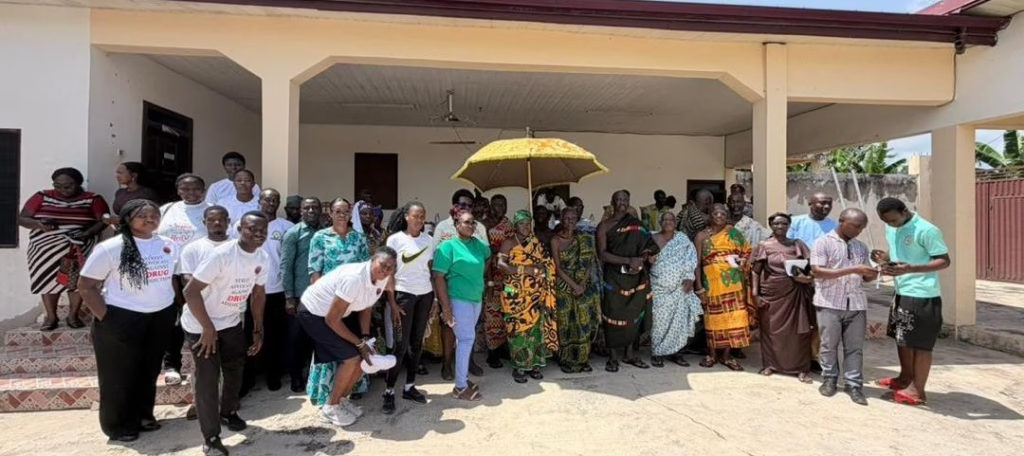
He further called on traditional authorities to establish committees to monitor the illegal sale and misuse of drugs in communities, while counselling structures should also be created to support children and young people battling addiction.
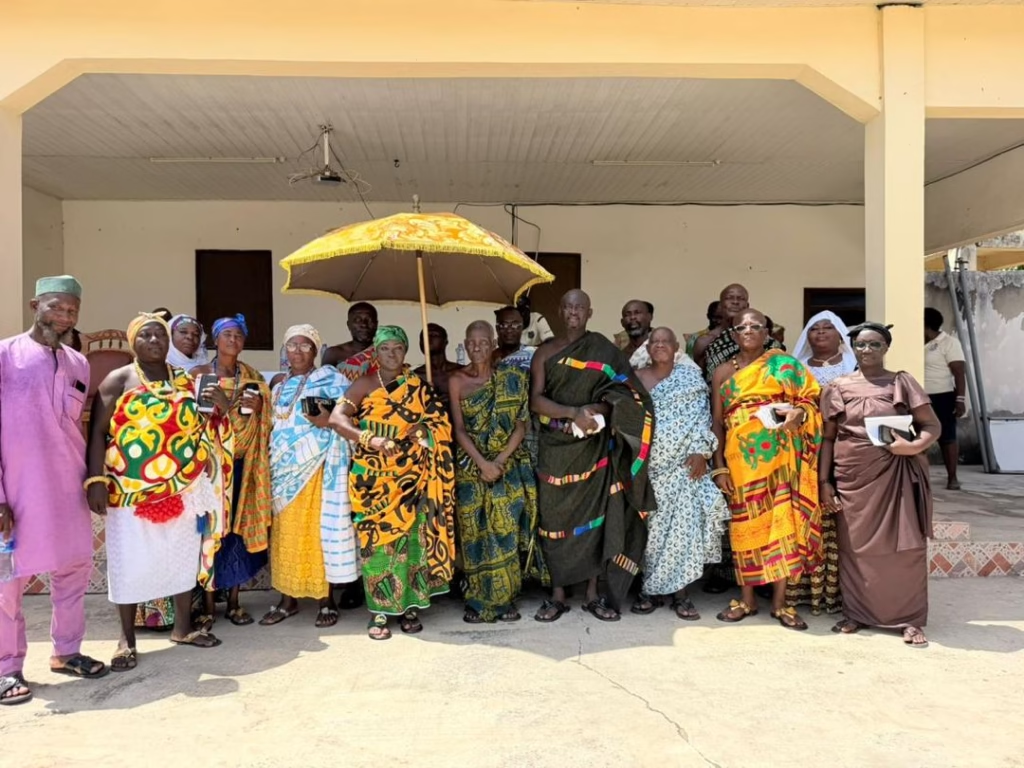
Speaking on the importance of mentorship, Mr Abubekr stressed that adults must lead by example and exhibit good character before positioning themselves as role models for the youth. He further encouraged students to remain respectful toward their parents, teachers and traditional authorities.
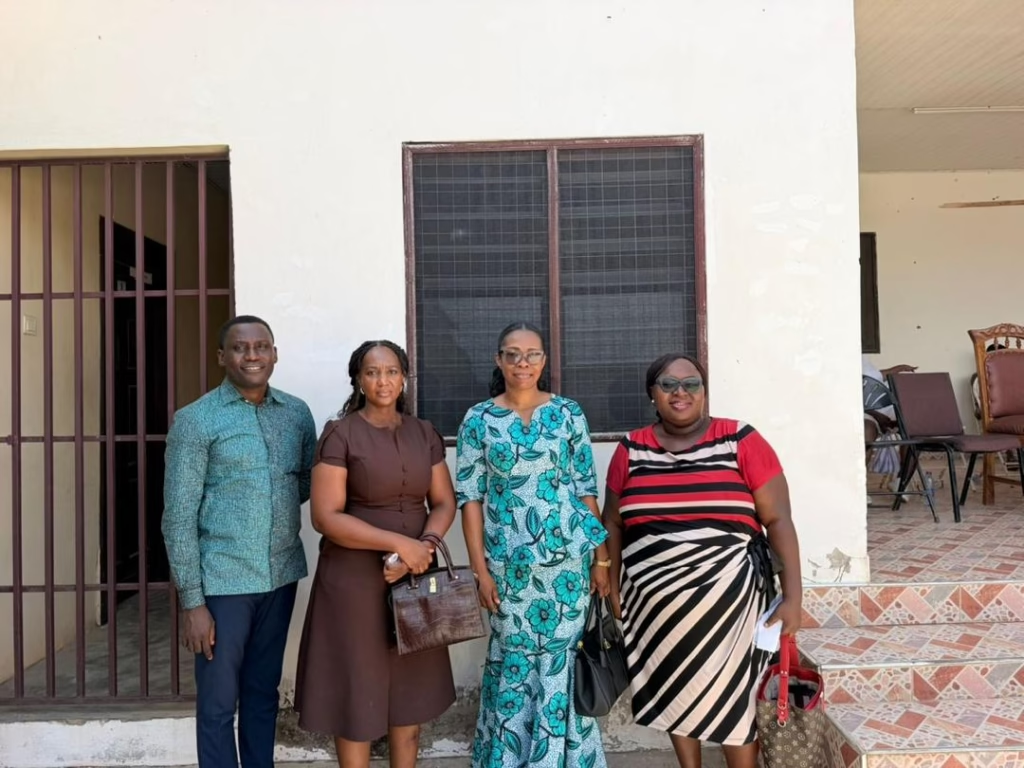
Municipal Head Physician Assistant, Madam Winifred Padaly, who represented the New Juaben North Health Directorate, described substance abuse as a national challenge that must first be tackled at the household and community levels.
She urged parents to pay closer attention to their children, explaining that many young people engage in substance abuse secretly until the behaviour becomes severe.
Madam Padaly stressed the importance of prevention, treatment and rehabilitation, adding that parents should take seriously any reports concerning their children’s involvement in drug abuse.
She warned that the country risks losing future leaders if the youth continue to abuse drugs and other harmful substances.
Regional Mental Health Coordinator and Psychologist, Dr. Akosua Serwaa Bonsu, noted that May is recognised globally as Mental Health Awareness Month, with this year’s theme being “Mental Wellbeing for All: Turning Awareness into Action.”
Dr. Bonsu explained that substance abuse remains one of the leading mental health concerns in the Eastern Region, with alcohol being the most commonly abused substance, particularly among young men between the ages of 24 and 25.
She identified stress, peer pressure and curiosity as some of the key causes of substance abuse, adding that psychoactive substances affect brain function and alter behaviour, mood and perception.
According to her, prolonged drug and alcohol abuse can lead to severe liver damage, addiction and mental health disorders.
Dr. Bonsu urged the public not to stigmatise people struggling with addiction, but rather support them through counselling and rehabilitation.
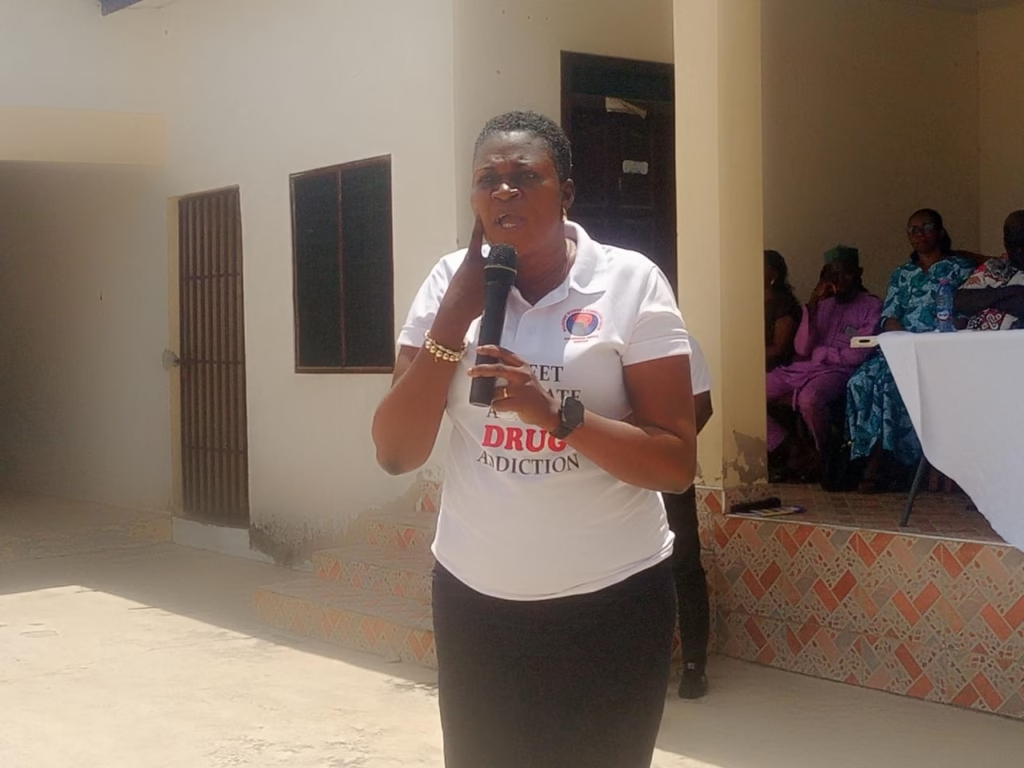
Chief Executive Officer of Willing Way Rehabilitation and Recovery Centre, Mrs. Lydia Abena Manu Adofo, described substance abuse as a worrying issue destroying the future of many young people.
She encouraged schools to organise educational visits to rehabilitation centres to help students understand the realities and consequences of addiction.
Mrs. Adofo advised parents to spend quality time with their children instead of focusing only on financial support, stressing that stronger parent-child relationships help identify behavioural changes early.
She listed some warning signs of substance abuse among young people, including isolation from family and friends, sudden changes in eating habits, excessive use of perfume, unusual dressing styles and changes in behaviour.
Mrs. Adofo announced plans to partner with schools to establish mental health clubs aimed at educating students on the dangers of substance abuse.
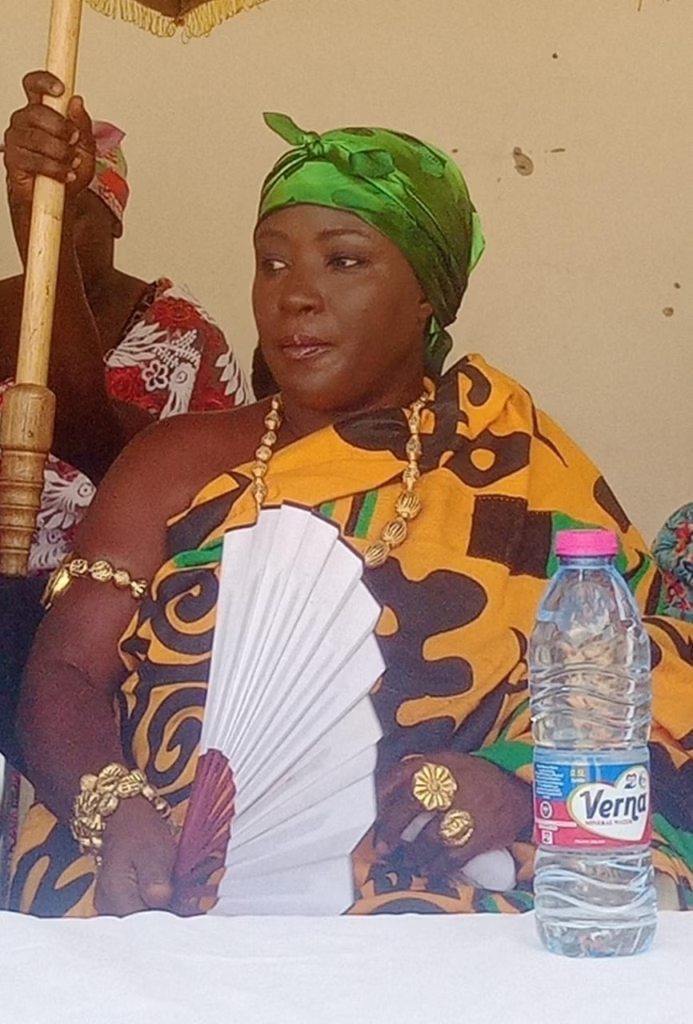
In her closing remarks, Nana Amoanimaa Kukudrufo I thanked participants for supporting the programme and called for practical action to address substance abuse within communities.
Quoting the Scriptures in Proverbs 22:6; “Train a child in the way he should go, and when he is old he will not turn from it”.
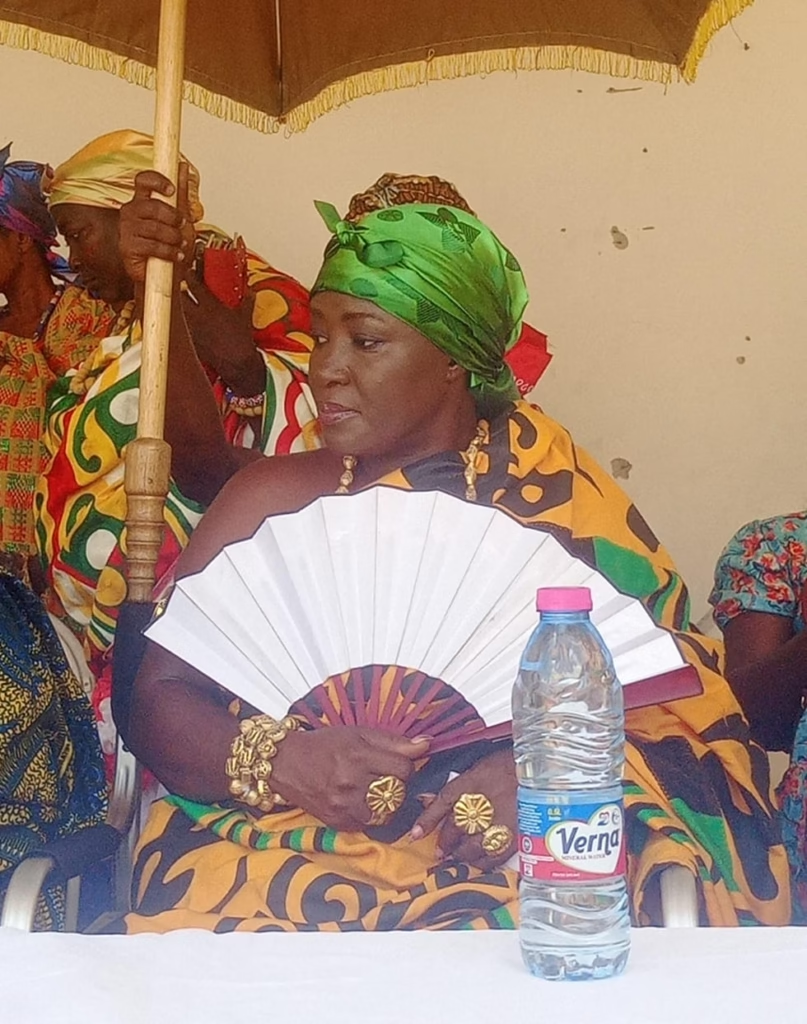
she used the scriptures to emphasis the importance of proper upbringing and discipline in shaping responsible children.
She also urged teachers to stay closer to students and appealed to parents not to shield children involved in misconduct, but rather guide and discipline them with love.
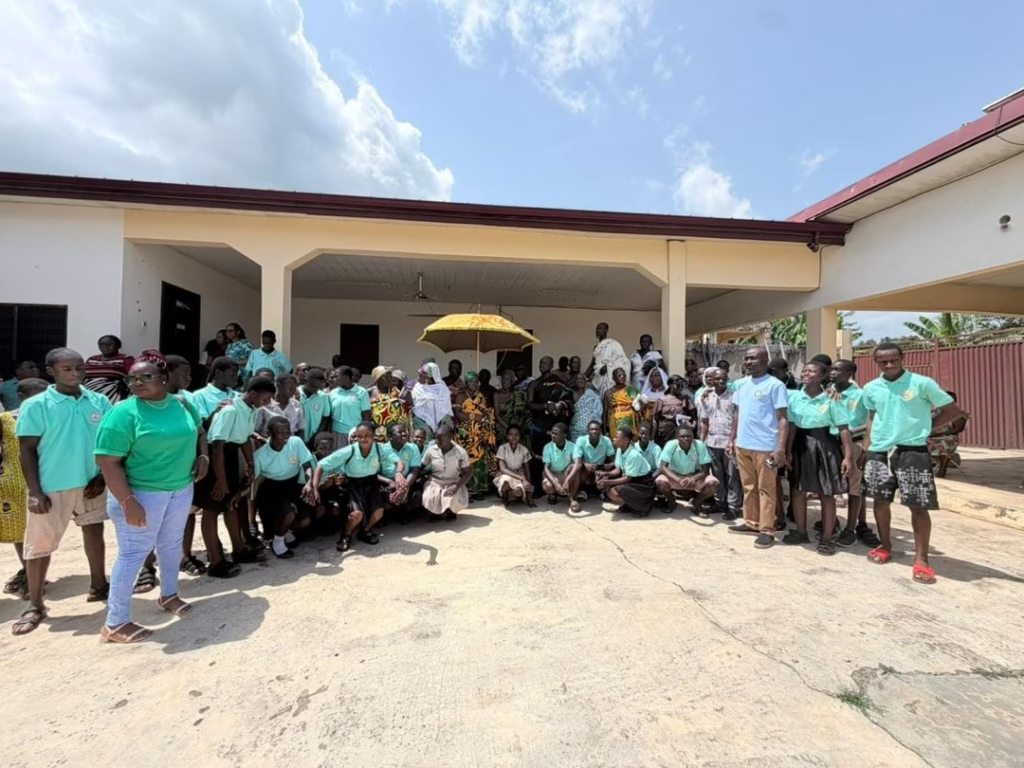
Nana Amoanimaa Kukudrufo I further appealed to the Centre for National Culture to organise similar educational programmes regularly to help protect the youth from drug abuse and promote positive values in society.
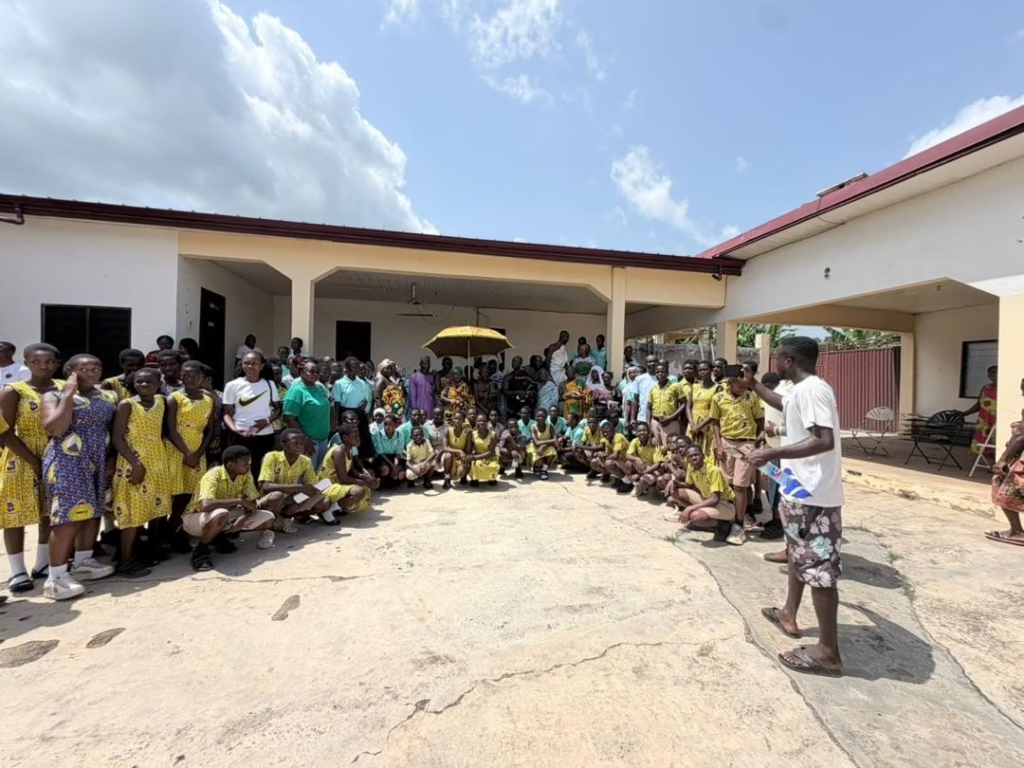
The programme ended with renewed commitment from stakeholders, traditional leaders and health professionals to continue the fight against substance abuse and promote mental health awareness in the municipality.