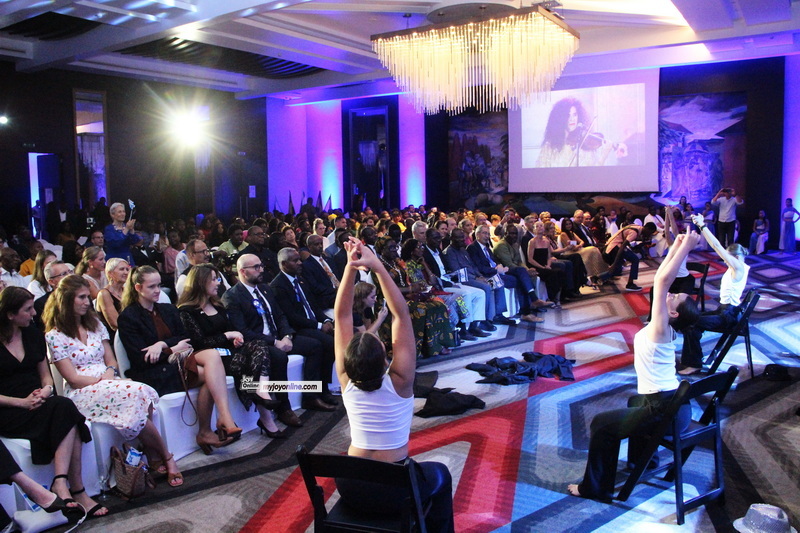
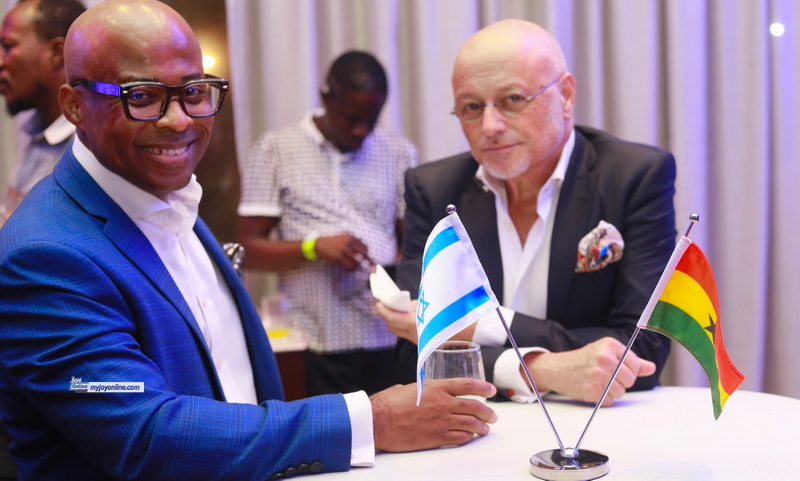
The Israeli Embassy in Accra marked Israel’s 78th anniversary with a colourful evening of Jewish dance, violin music and song, blending culture with diplomacy in what guests described as a “refreshing and unforgettable” celebration.
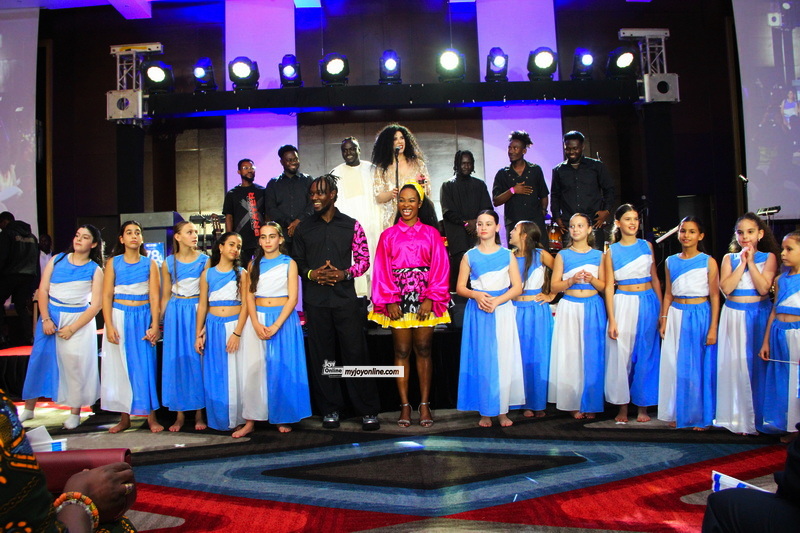
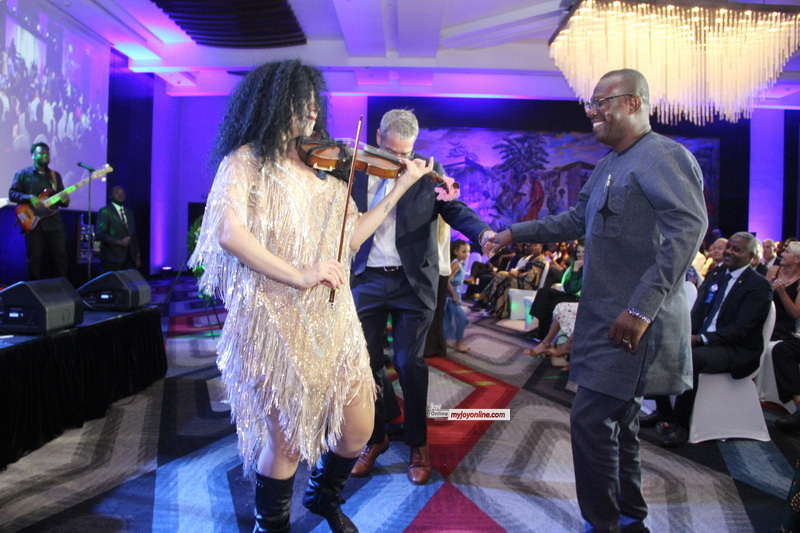
The event was headlined by Moldovan-born Israeli artist Tania Vinokur, a violinist, dancer and singer based in Israel, whose performance brought energy and vibrancy to the occasion.
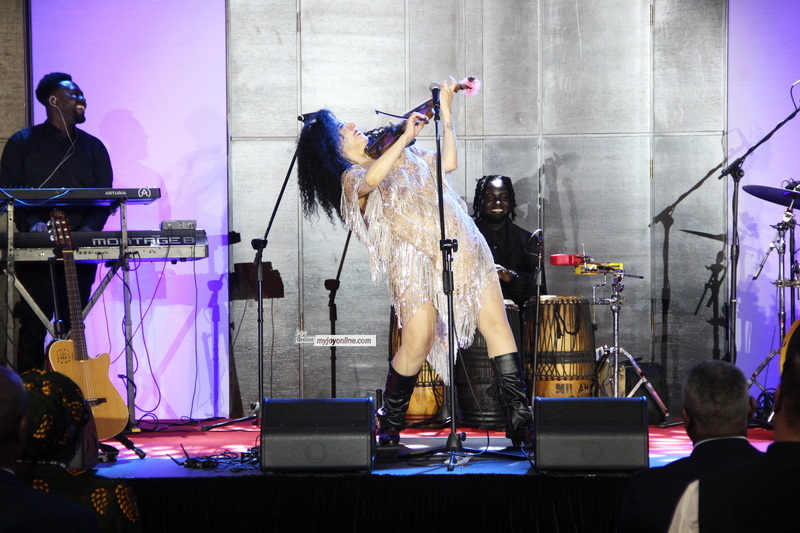
Renowned for fusing world music with theatrical movement, she delivered a thrilling performance that blended tradition and contemporary flair.
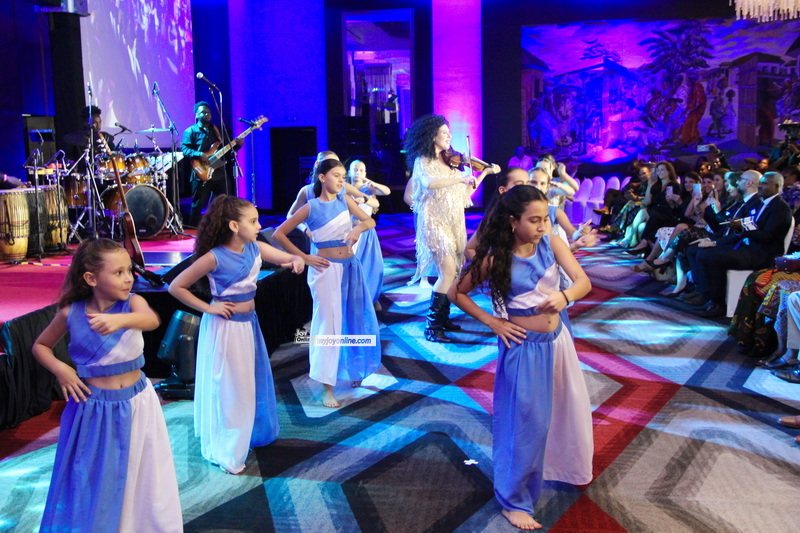
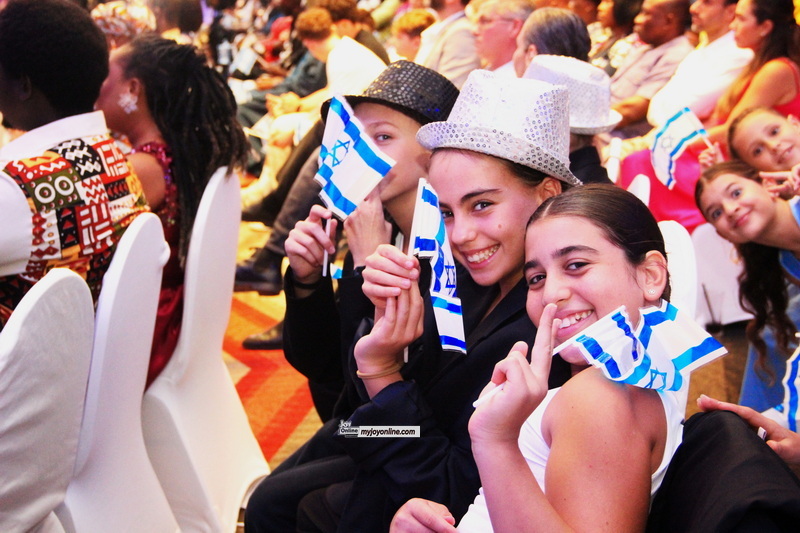
The evening was marked by a lively performance from Israeli school children, followed by a ceremonial dance that added colour to the celebration.
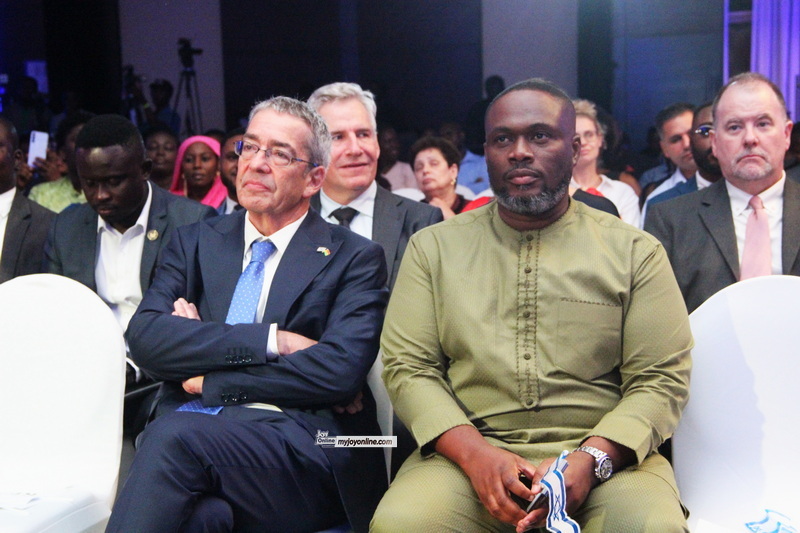
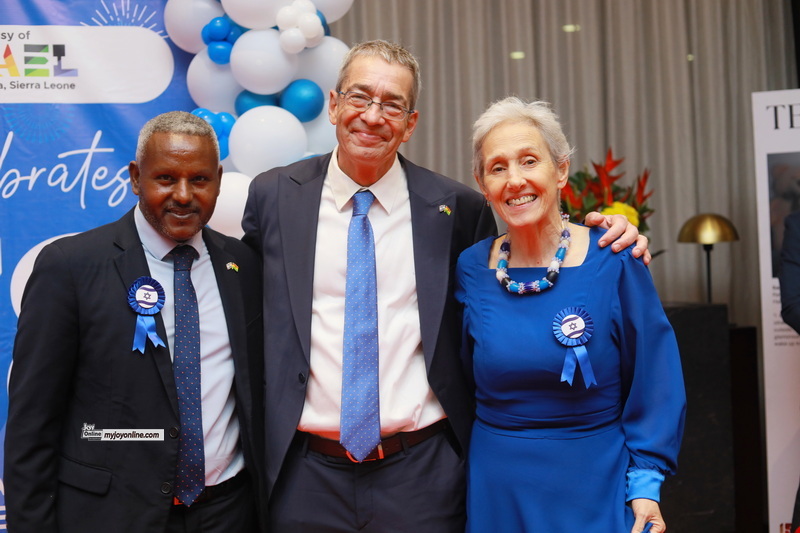
Ambassador Roey Gilad and his wife, Nita, later invited special guests onto the dance floor, bringing together diplomats, government officials, clergy members and friends of the Embassy in a shared moment of celebration.
The programme opened with the playing of the national anthems of Ghana and Israel.
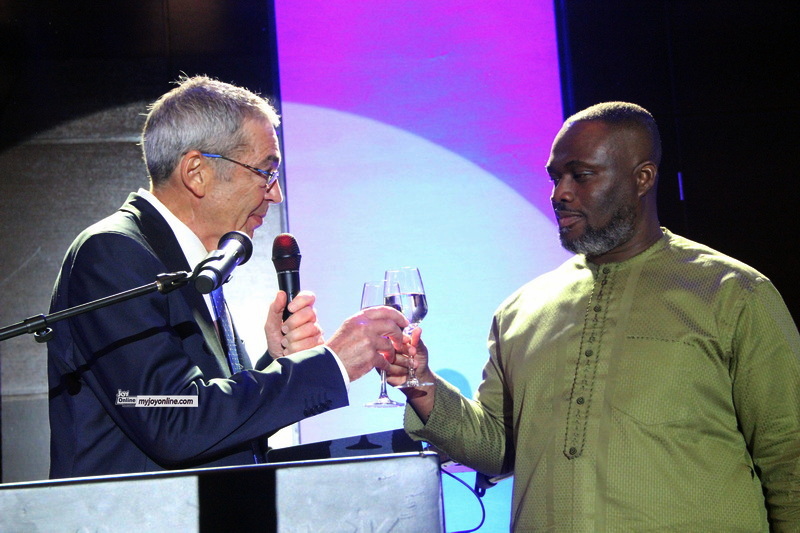
Ambassador Gilad proposed a toast, which was responded to by Kenneth Gilbert Adjei, Minister for Works, Housing and Water Resources, who represented the Government of Ghana.
In his remarks, Ambassador Gilad highlighted the strong relationship between Israel and Ghana, describing agriculture as a key pillar of their cooperation.
Through MASHAV, Israel’s Agency for International Development Cooperation, Ghanaian farmers have benefited from training programmes in Israel as well as hands-on workshops held locally in Ghana—an initiative he described as part of the “Israeli agricultural miracle.”
He also noted that Ghana holds a special place in Israel’s diplomatic history, being the first African country to host an Israeli embassy, which was opened in 1956 before independence. This also marked Israel’s first diplomatic mission in Sub-Saharan Africa.
He noted that bilateral relations between Ghana and Israel have since expanded beyond traditional areas into sectors such as cybersecurity, fintech, defence and energy.
According to him, Israeli private companies continue to contribute to Ghana’s development, particularly in infrastructure, water management and construction.
Touching on regional security, Ambassador Gilad said Israel is currently facing complex threats linked to Iran and what he described as its network of proxy groups.
He said that since 1979, the Islamic Republic of Iran has invested heavily in developing its nuclear capability, which he claimed is aimed at threatening Israel’s existence.
“The people of Israel seek peace — a peace that guarantees the country’s security,” he stated.
He also revealed that discussions are ongoing with Lebanon, emphasising shared interests and the need to disarm militant groups as part of efforts to secure lasting stability.
Israel is also seeking to normalise relations with its southern neighbours, the Palestinians.
He described peace with the Palestinians as “important, essential and possible,” but pointed to Hamas’ refusal to disarm as a major obstacle.
He also commended Ghana for its contribution of thousands of troops to the United Nations Interim Force in Lebanon (UNIFIL) peacekeeping mission in southern Lebanon.
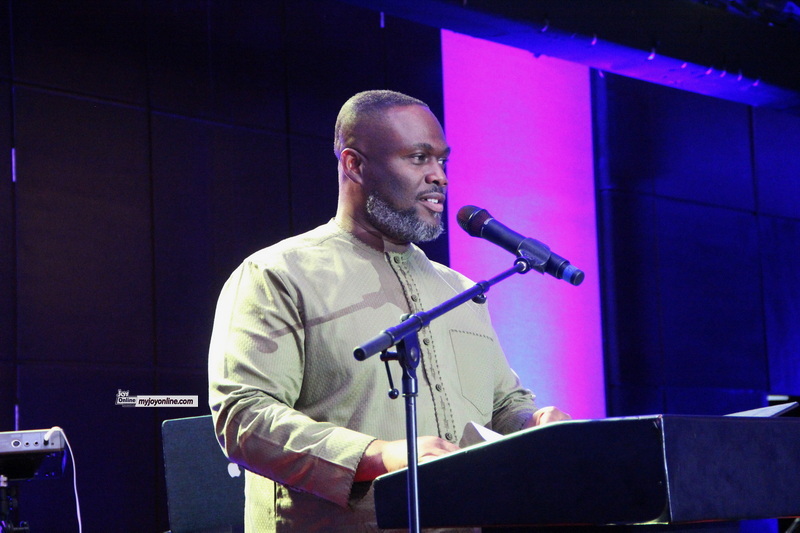
Mr. Kenneth Gilbert Adjei has reaffirmed Ghana’s long-standing and cordial relationship with Israel, describing it as one rooted in mutual respect and practical cooperation.
He highlighted Israel’s contribution to Ghana’s development through years of capacity building and technical support dating back to the country’s independence.
Mr. Adjei also referenced bilateral consultations held in Jerusalem in January, where both sides reviewed existing cooperation and outlined new priorities. The discussions, he said, reaffirmed a shared commitment to strengthening economic, trade and investment ties in line with Ghana’s development agenda.
Mr. Adjei says Ghana’s flagship initiatives—including the 24-Hour Economy policy, the Big Push Infrastructure Programme, the Volta Economic Corridor Project and the One District, One Factory initiative—present concrete opportunities for deeper collaboration with Israeli partners.
He noted that Israel’s expertise and investment could play a key role in boosting productivity, expanding industrial capacity, advancing digital transformation and creating jobs.
He stressed expanding cooperation in agriculture, health, education, and innovation, welcoming MASHAV’s continued work in skills development and knowledge transfer, especially in modern farming practices.