The Head of the Paediatric Nephrology Unit at the University of Ghana Medical Centre, Dr. Beatrice Nyann, has raised alarm over the increasing number of children being diagnosed with kidney disease in Ghana, warning that environmental pollution and delayed diagnosis are contributing to a growing public health concern.
According to Dr. Nyann, exposure to toxic pollutants and heavy metals — particularly those linked to illegal mining activities, commonly known as galamsey — may be driving the rise in chronic kidney disease and kidney failure cases among children.
Speaking in an interview with JoyNews’ Stephen Aryeetey-Mensah, she noted that many children are only brought to the hospital when the condition has already reached advanced stages, reducing treatment options and increasing the likelihood of severe complications.
“It’s not hearsay; it is not rumor-mongering. There is clear evidence and data to suggest that there is a direct link between kidney disease and these heavy metals,” she said.
Dr. Nyann explained that the health risks associated with heavy metal contamination are not limited to communities directly affected by mining activities.
“It does not matter whether you live close to the mining area or not. We are consuming products from all these places. Mercury, for example, accumulates significantly in fish and polluted water bodies,” she added.
Her comments come amid growing concerns over the environmental destruction caused by illegal mining and its potential long-term effects on public health, particularly among children and other vulnerable groups.
Health experts continue to call for stronger environmental protection measures, increased public education, and early medical screening to help curb the rising incidence of kidney-related diseases in the country.
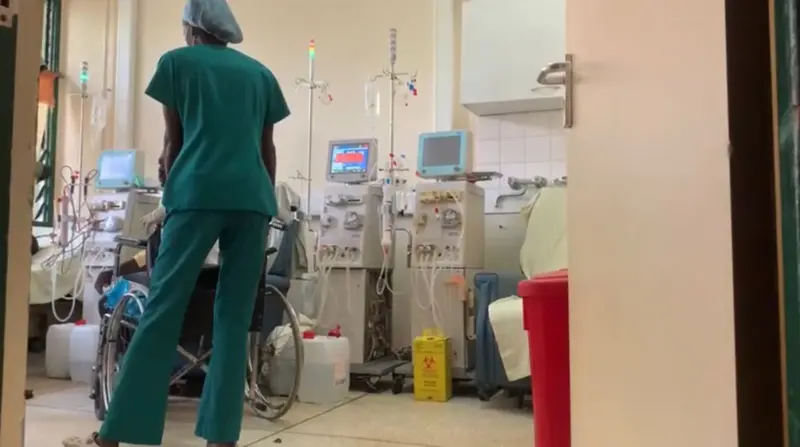
A medical specialist, Dr. Nyann, has raised concern over what she describes as a growing number of severe congenital kidney abnormalities being diagnosed in children in Ghana.
According to her, doctors are increasingly encountering cases where both kidneys are affected — a development she says was far less common in the past, when such abnormalities were often limited to one kidney.
“Even in this clinic, I can say that probably about 40 percent, though I still need to verify the statistics, we are increasingly seeing kidney anomalies that we did not use to see before. Now it affects both sides. It is becoming far too common,” she said.
Dr. Nyann noted that the trend has become particularly worrying due to the increasing frequency and severity of the conditions being recorded.
She further disclosed that many of the affected children receiving treatment are from Accra, raising fresh concerns about possible environmental and public health factors contributing to the rise in cases.
Her comments add to growing concerns among health experts over the increasing prevalence of kidney-related complications among children in Ghana and the need for early diagnosis, preventive healthcare, and stronger public health interventions.
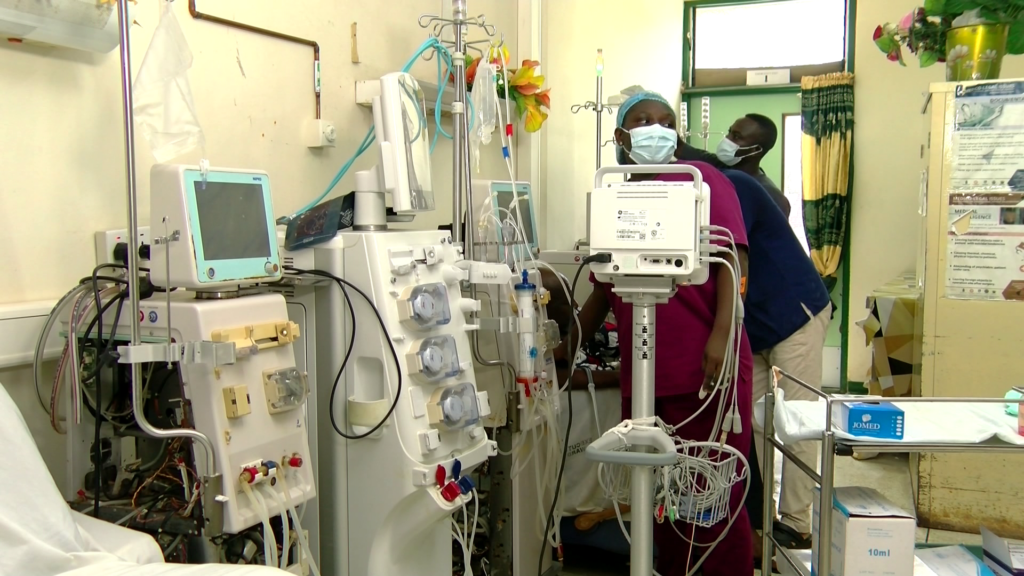
A medical specialist has urged parents and caregivers to seek immediate medical attention for children showing signs of possible kidney complications, amid growing concerns over the health impact of environmental pollution linked to illegal mining activities in Ghana.
The specialist advised that symptoms such as swelling of the face, feet, or abdomen, reduced urine output, blood in urine, persistent fatigue, and unexplained high blood pressure should never be ignored.
According to the expert, early diagnosis and treatment are critical in preventing severe kidney damage and other life-threatening complications in children.
The warning comes as concerns continue to mount over the environmental and public health consequences of illegal mining, popularly known as galamsey.
Environmental experts say Ghana has already lost an estimated 4,726 hectares of land to illegal mining activities, with several rivers and water bodies increasingly contaminated by toxic chemicals and mining waste.
Experts have repeatedly warned that prolonged exposure to polluted water and environmental toxins could pose serious long-term health risks, particularly for children and vulnerable communities living near mining areas.
The growing destruction caused by galamsey has also intensified calls for stronger enforcement measures and urgent interventions to protect Ghana’s natural resources and safeguard public health.