The Supervising Judge of the Wa High Court, Justice Osei Wusu-Antwi, has appealed to Parliament’s Judiciary Committee to urgently intervene in addressing staffing shortages and infrastructure challenges affecting courts in the Upper West Region.
He made the appeal when the committee visited Wa, noting that work on the new High Court complex has made significant progress after years of stalled construction. He credited the committee’s intervention for helping revive and push the project forward.
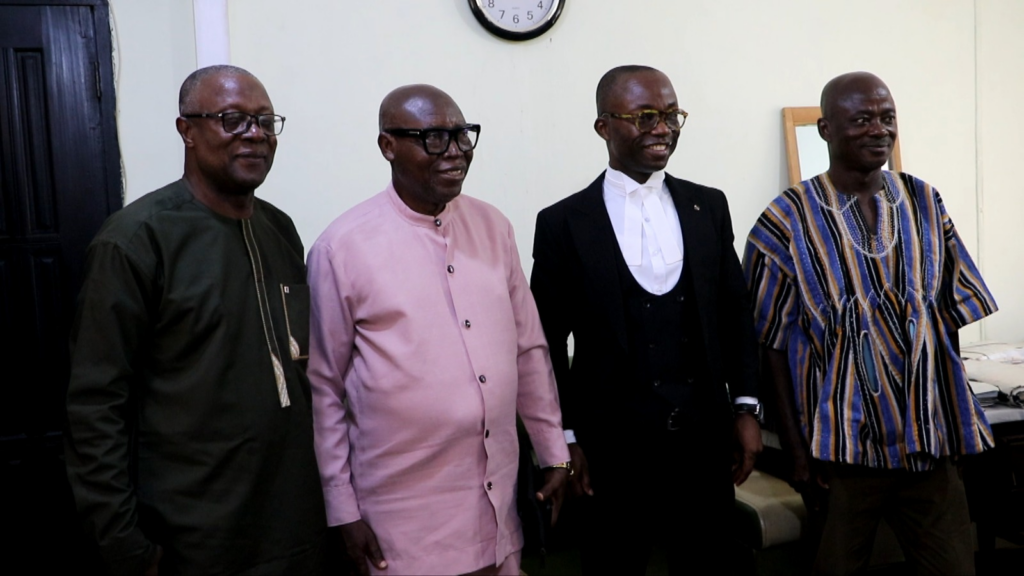
He explained that although the second court now has a presiding judge, the district courts are still facing a serious shortage of judicial officers. According to him, only one district magistrate is currently covering duties across three courts.
“For the other four district courts, we have just one district magistrate who is moving from one court to another to handle cases,” he said. “In Tumu, as we speak, there is no magistrate assigned there. This is seriously affecting the delivery of justice in the district.”
He further pointed to poor road infrastructure as a major factor discouraging judicial officers from accepting postings in the region.
He also called for the establishment of a law library to support the courts, as well as students at the newly established Faculty of Law at the University of Business and Integrated Development Studies (UBIDS).
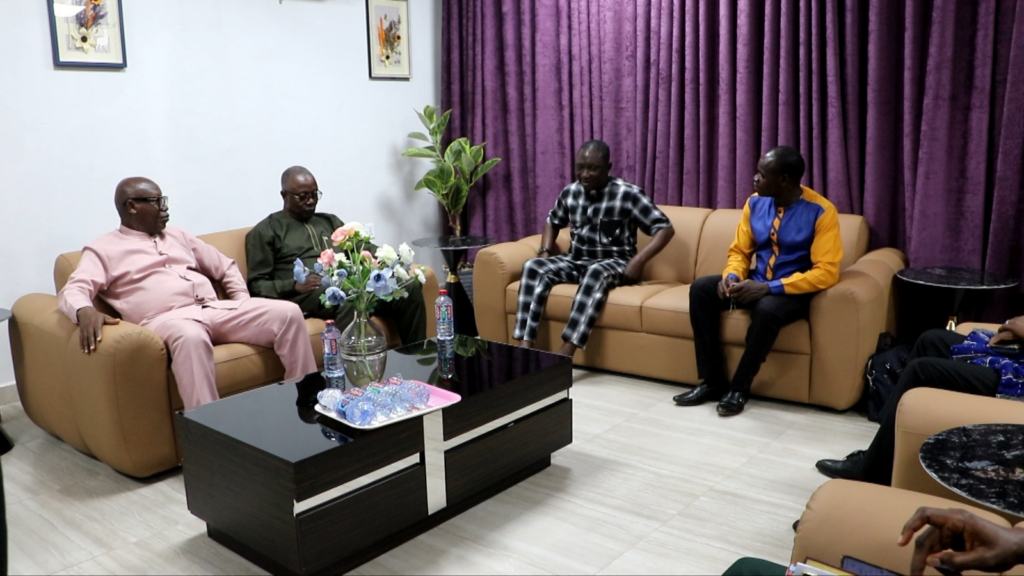
Responding to the concerns raised, the Ranking Member of Parliament’s Judiciary Committee, Bede Anwotaazuma Ziedeng, said the committee had already played a role in facilitating the release of funds for the completion of the Wa High Court complex and remained committed to addressing broader challenges confronting the Judicial Service.
According to him, the committee’s oversight responsibility covers the entire judiciary, and it takes into account both budgetary submissions and conditions observed during field visits before making recommendations to Parliament.
“We have oversight over the entire judiciary,” Mr Ziedeng said. “When the budget is presented, we engage with the judiciary. Whatever they present, together with what we observe on the ground, is carefully considered before we prepare our report for Parliament.”
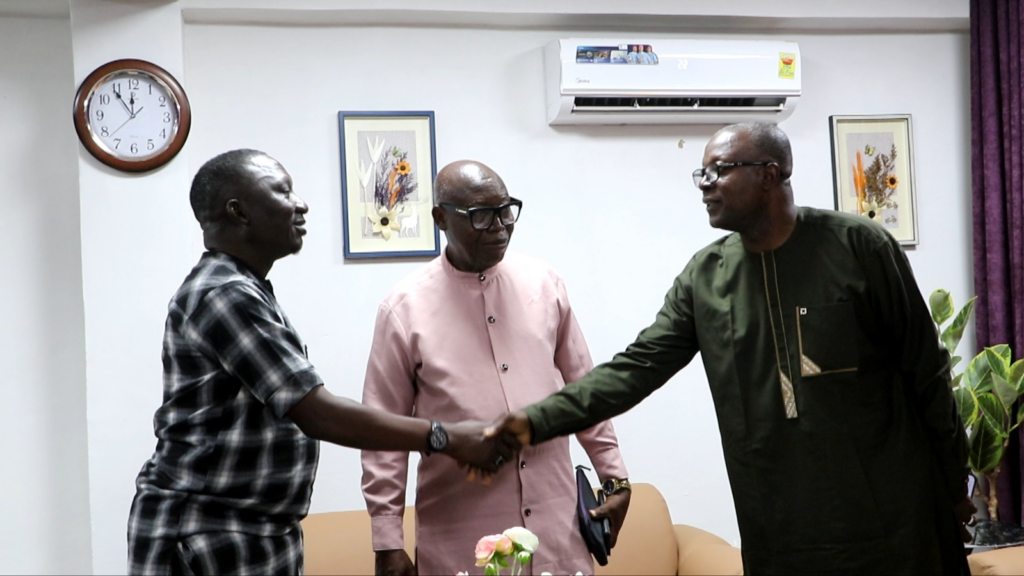
He said the committee had already received briefings on conditions in Tumu, Jirapa, Nadowli and Lawra, and would tour circuit and magistrate courts across the region to assess the situation firsthand.
The committee also held discussions with the Pro-Vice Chancellor of the University of Business and Integrated Development Studies (UBIDS), Prof. Isaaka Osumanu Kanton, who highlighted some of the challenges confronting the university’s law faculty.
According to Prof. Kanton, running the law school has become increasingly demanding due to difficulties in recruiting qualified lecturers.
“Running the law school is quite challenging,” he said. “It has been difficult to get qualified lecturers. We mostly rely on part-time lecturers, and that comes at a huge cost to the university.”
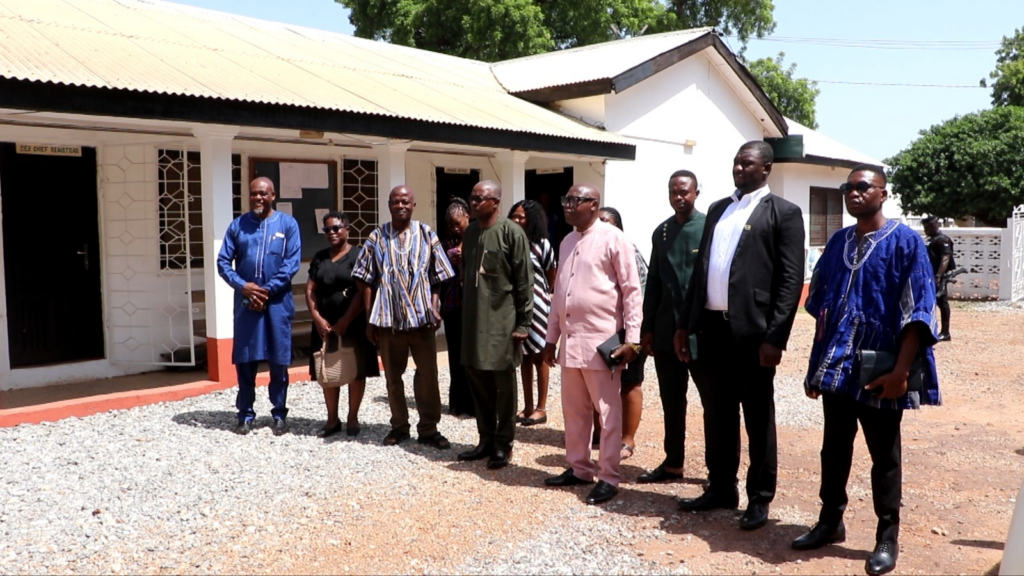
He added that the university was closely monitoring proposed reforms in legal education while also expanding infrastructure to support the growth of its law programme. As part of the expansion, the Upper West Hall, formerly used as a student hostel, is being converted into additional classrooms and office space for the law school.
Bringing the engagements to a close, Mr Ziedeng stressed that the committee’s work goes beyond assessing physical infrastructure and includes addressing broader challenges affecting the Judiciary and legal education in the region.
“Looking at the building and its completion is the immediate reason we are here, but beyond that, we are also looking at other issues affecting the Judiciary as a whole,” he stated.