A landmark five-day International Executive Training and Study Tour on Non-Interest Banking, Capital Markets and Takaful (Insurance) has concluded in Kuala Lumpur, equipping financial sector professionals with valuable insights from Malaysia’s world-renowned Islamic finance industry.
The programme, organised by the Islamic Finance Research Institute of Ghana (IFRIG) in partnership with the Centre for Islamic Economics (CIE) at the International Islamic University Malaysia (IIUM), brought together financial experts, regulators, academics and industry leaders from Ghana, Nigeria and other countries between June 22 and 26, 2026.
Over the course of the training, participants gained first-hand experience of Malaysia’s highly developed dual-banking system, sophisticated Sukuk market and comprehensive regulatory framework, which is widely regarded as one of the most advanced Islamic finance ecosystems globally.
The study tour provided delegates with practical knowledge and best practices in non-interest finance, strengthening their capacity to support the development of ethical and inclusive financial systems in their respective countries.
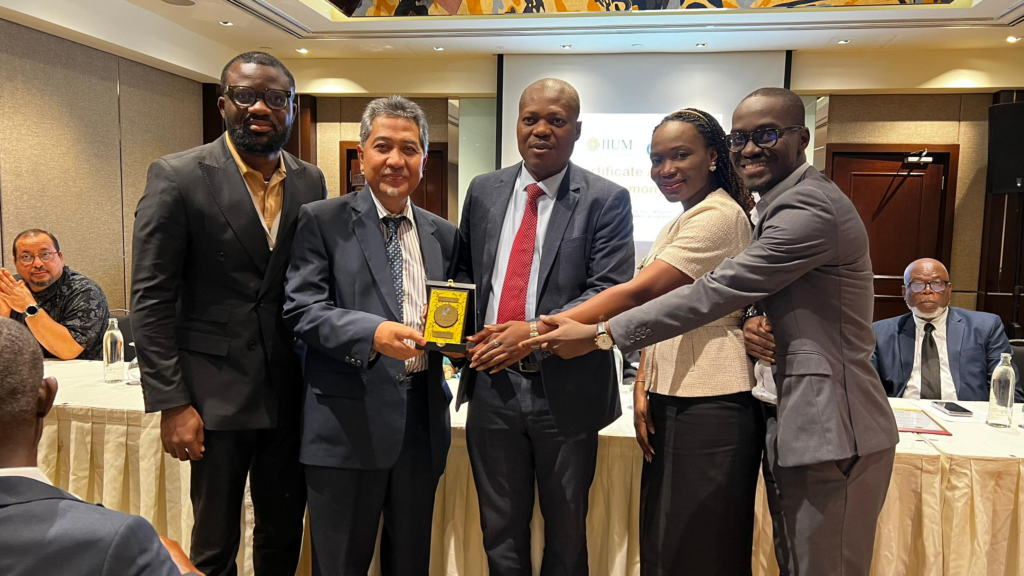
‘Be Ambassadors for Non-Interest Banking’ – Dr Ali Shaibu
At the closing ceremony, Dr. Ali Shaibu, Executive Director of the Islamic Finance Research Institute of Ghana (IFRIG) and Deputy Chief Executive Officer of Trustmark Capital Ltd, urged participants to champion the adoption and understanding of Non-Interest Banking in Ghana.
Addressing the delegation, Dr. Shaibu encouraged participants to become advocates for the financial model, stressing that its principles extend beyond religion and have the potential to contribute significantly to Ghana’s economic development.
“I urge each of you to become ambassadors for Non-Interest Banking,” he said. “Let me be clear—this is not a religious agenda. It is an ethical and transparent financial model that can help transform Ghana’s financial system and create opportunities for all citizens, regardless of their faith.”
He emphasised that continuous capacity building and public education would be critical to the successful implementation of the model, adding that Non-Interest Banking could play an important role in promoting financial inclusion, supporting economic growth and helping improve livelihoods.
Also speaking at the ceremony, Alhaji Attahiru Maccido, Chief Executive Officer and Managing Director of Trustmark Capital Ghana and one of the lead facilitators of the programme, expressed satisfaction with the outcome of the training.
According to him, the programme successfully achieved its objectives by providing participants with practical knowledge, industry insights and first-hand exposure to global best practices in Non-Interest Banking and Islamic finance.
He also moved to address one of the most common misconceptions surrounding the concept, stressing that Non-Interest Banking is designed to serve the broader public and is not limited to any particular religious group.
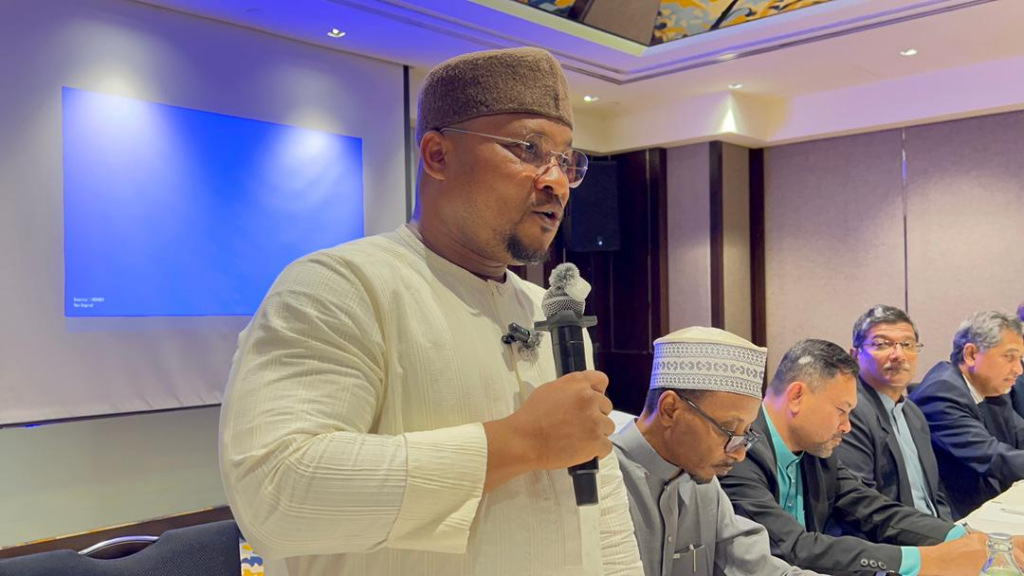
“Non-Interest Banking is not exclusively for Muslims; it is a financial model designed to benefit everyone,” he said. “It is built on principles of fairness, risk-sharing and transparency—values that can support entrepreneurs and businesses regardless of their religious background.”
Diplomatic and Regulatory Support
Ghana’s Deputy High Commissioner to Malaysia, Naail Mohammed Kamil, said the study tour had provided participants with valuable exposure to the practical workings and benefits of Non-Interest Banking.
He expressed optimism that the experience would deepen understanding of the model among policymakers, regulators and financial sector stakeholders.
“I have always believed this offers a viable alternative for addressing some of Ghana’s development challenges. It discourages speculation, promotes productive economic activity and ensures that financial transactions are linked to real economic assets,” Professor Naail said.
Also speaking at the event, Dr James Klutse Avedzi, Director General of the Securities and Exchange Commission (SEC), said the insights gained from Malaysia’s experience would be invaluable in strengthening regulatory oversight and policy development in Ghana.
“Malaysia has one of the most advanced Islamic finance systems in the world. Learning directly from its experience is one of the best decisions we could have made,” he noted.
Leading the Bank of Ghana delegation, Professor John Gatsi also sought to address concerns that the introduction of Non-Interest Banking could disrupt the country’s conventional banking sector, stressing that the model is intended to complement existing financial services rather than replace them.
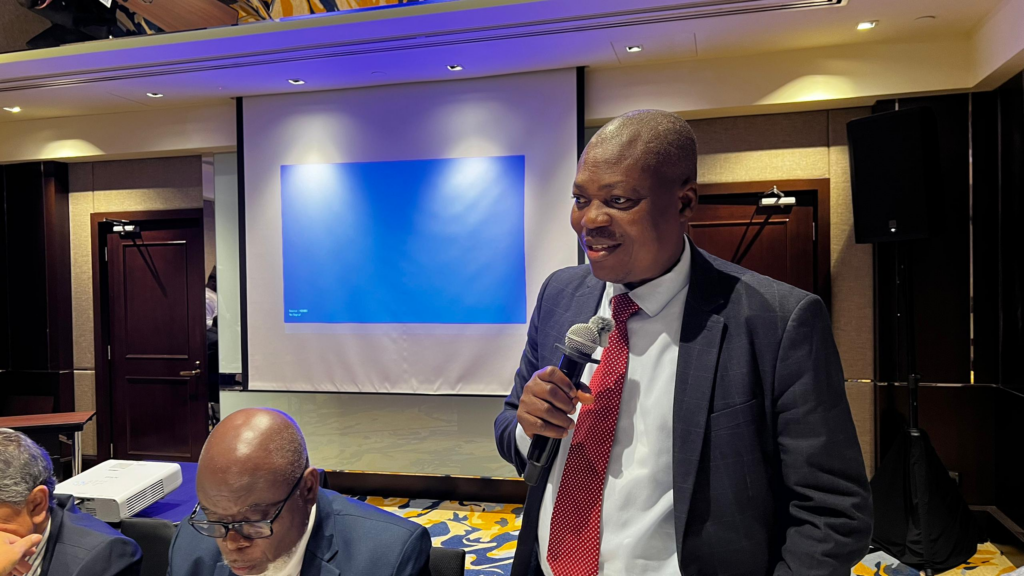
Professor Gatsi sought to reassure concerns that the introduction of Non-Interest Banking could undermine Ghana’s conventional banking sector, stressing that the initiative is intended to complement, not replace, the existing financial system.
“We want to assure Ghanaians that Non-Interest Banking is not designed to collapse the traditional banking system. Rather, our objective is to develop a strong dual-banking framework that provides consumers with more options, promotes healthy competition and enhances the overall stability of the financial sector,” he said.
Professor Gatsi also expressed appreciation to President John Dramani Mahama for his support and commitment to advancing the initiative, describing it as an important step towards strengthening financial stability and expanding inclusion within Ghana’s financial sector.
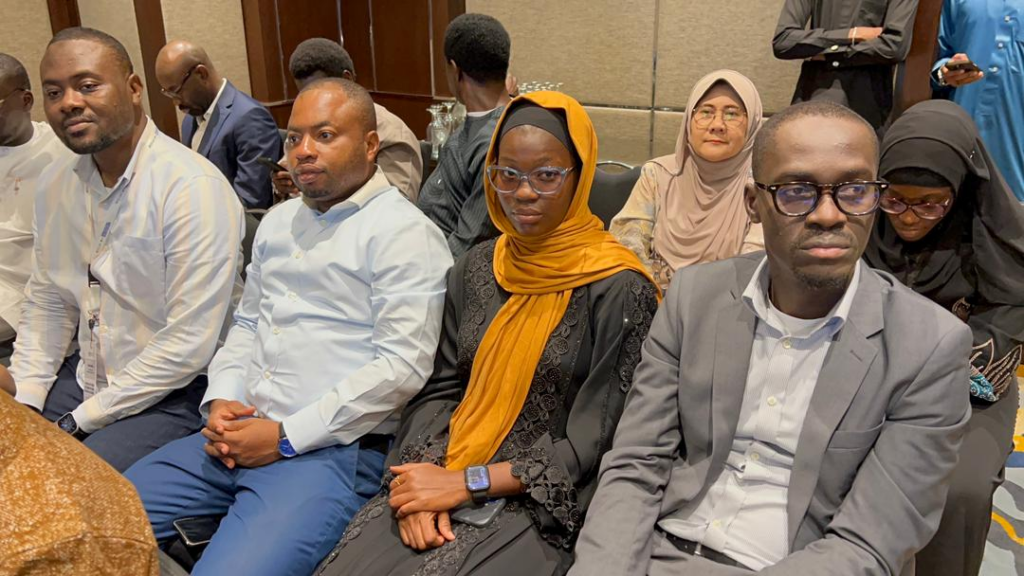
Held under the theme, “Strengthening Capacity in Ethical Finance, Financial Inclusion and Sustainable Economic Development,” the programme marked a pioneering initiative aimed at deepening knowledge and expertise in non-interest finance.
As Ghana moves towards the full integration of Non-Interest Banking into its financial system, participants are returning with valuable practical experience and lessons drawn from Malaysia’s four decades of success in Islamic finance. The insights gained are expected to support efforts to expand financial inclusion, promote ethical banking practices and help shape a new chapter in the development of alternative finance in Ghana and the wider West African region.