Mankessim–Baifikrom, Ghana – A renewed call for the legalisation of marijuana in Ghana has emerged from advocates in the Mfantsiman Municipality, with members of the Rastafarian community urging government to reconsider its stance on the substance and end what they describe as persistent harassment by law enforcement.
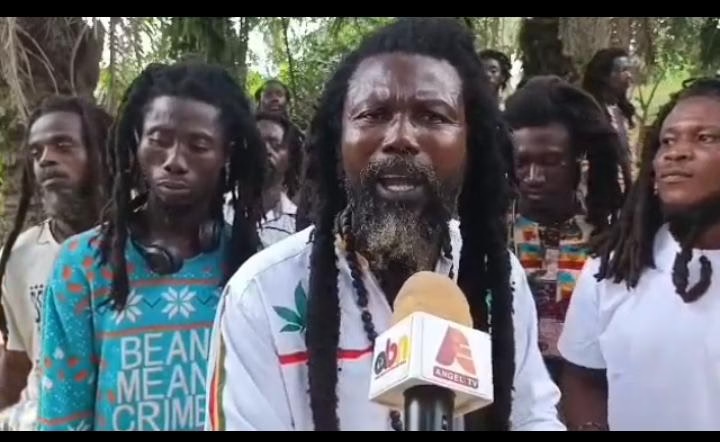
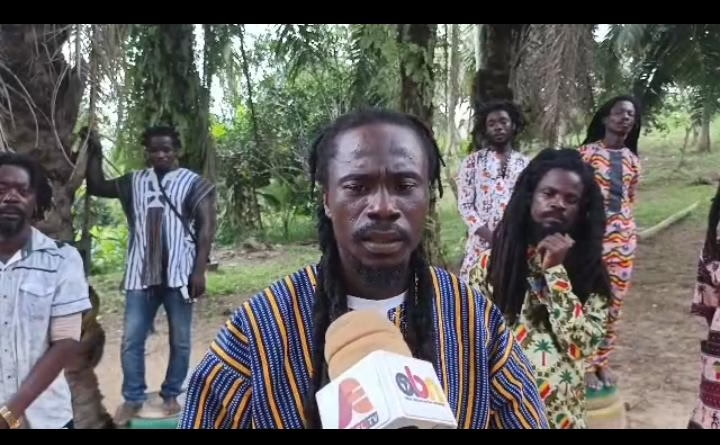
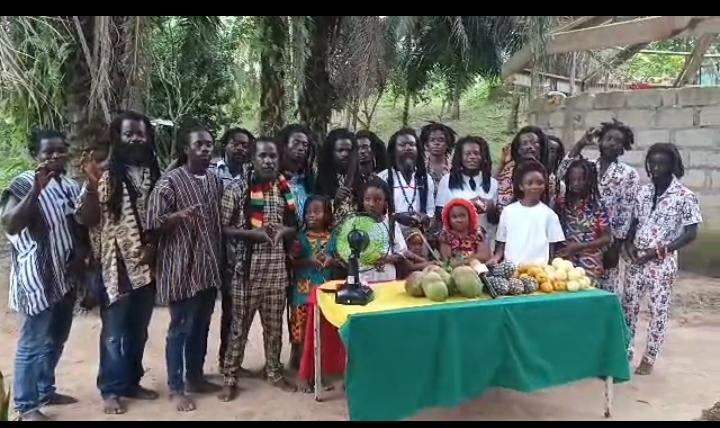
The appeal was led by the Central Regional president of the Rastafarian group, Jah Eddy Bongo, during a “World International Weed Day” celebration held in Mankessim–Baifikrom. In an interview with Douglas Oyiboh Amponsah, he argued that Rastafarians are not a threat to the economy and should not be treated as criminals.
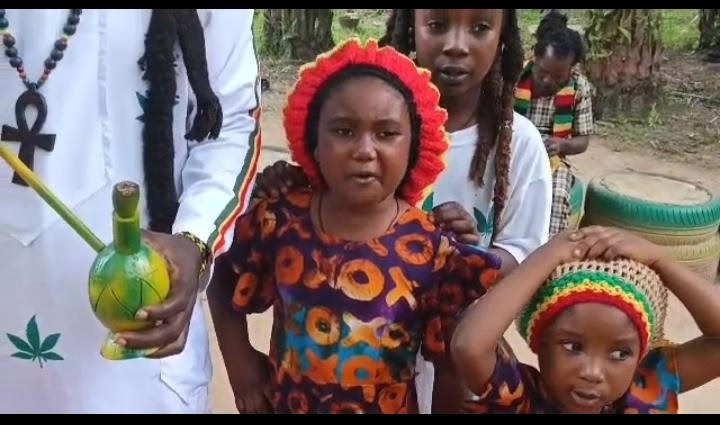
“We are not enemies to the Ghanaian economy,” he said, insisting that the cultivation and responsible use of marijuana could contribute meaningfully to national development and job creation.
According to him, Ghana stands to benefit economically if marijuana is legalised and properly regulated, especially through agricultural investment that could create opportunities for young people.
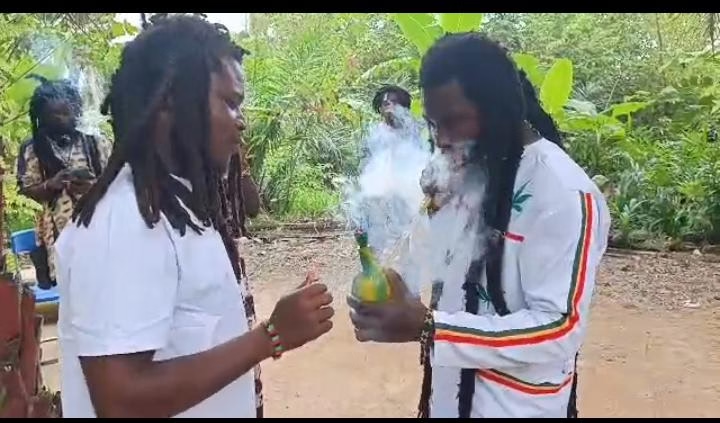
The group is directly appealing to the government, including President John Dramani Mahama, to consider reforms that would decriminalise marijuana and support its cultivation under a regulated system.
Concerns over law enforcement actions
A major concern raised by the group is what they describe as frequent police harassment, particularly when travelling with the substance. Jah Eddy Bongo claimed that Rastafarians often face searches, arrests, and intimidation on the road.
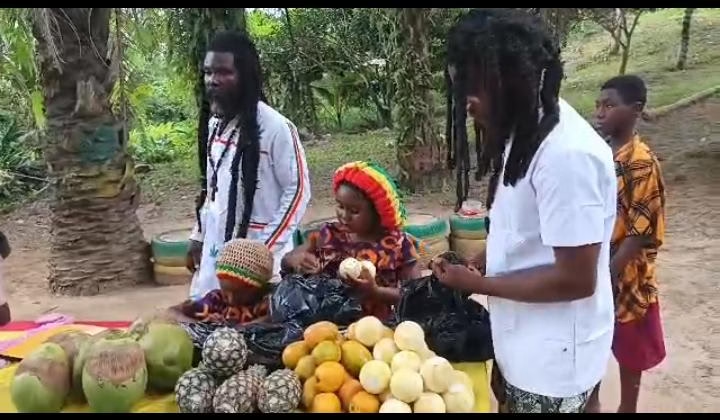
“The most painful and stressful thing is the harassment we face when travelling. Police attention is too high whenever they see us,” he said.
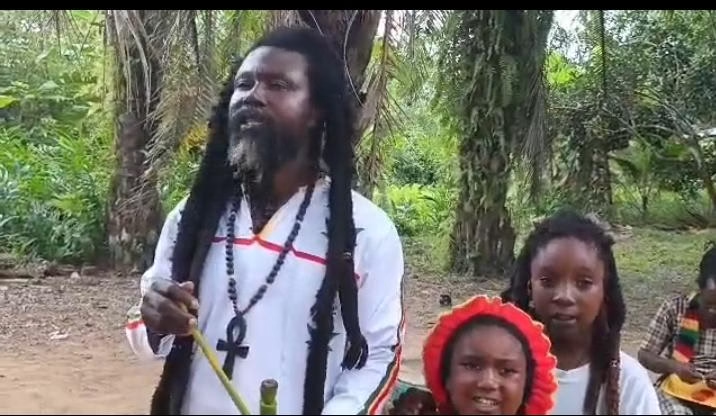
The group is calling for greater tolerance, freedom of expression, and the release of individuals currently in custody for marijuana-related offences.
Call for safer use and public education

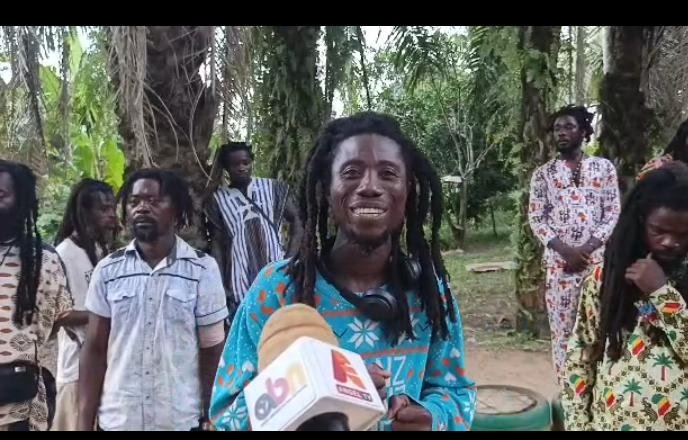
Speaking separately, the Central Regional organiser of the Rastafarian group, Jah Emma, urged young people—particularly those in “ghetto communities”—to avoid harmful drug mixtures that may be passed off as marijuana.
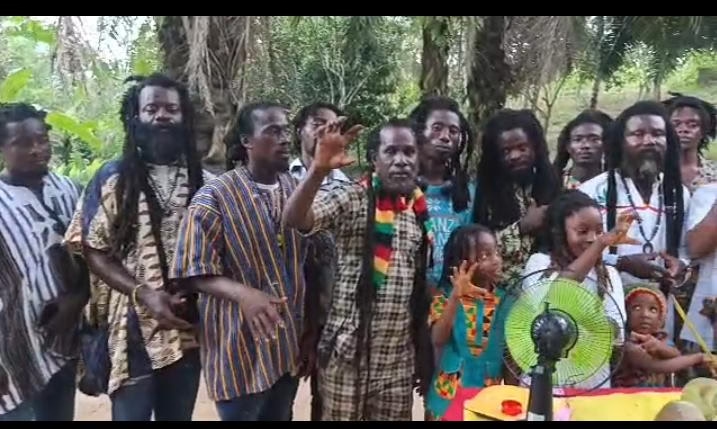
He warned that adulterated substances can have serious mental and physical effects and encouraged youth to protect their health and reputation.
Jah Emma also appealed to parents to reconsider long-held beliefs that marijuana use automatically leads to mental illness, arguing that such perceptions are often exaggerated or misunderstood.
He urged families to instead focus on warning young people about more dangerous substances such as tramadol, cocaine, and other hard drugs, which he says pose greater health risks.
Push for policy reform
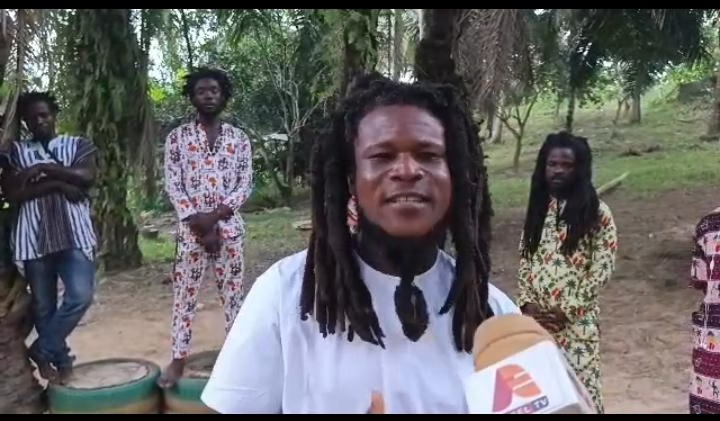
Beyond public education, the group is intensifying its lobbying for the legalisation of marijuana, arguing that regulated use could improve productivity and support national development, as seen in other countries where cannabis cultivation is permitted.
They insist that a shift in policy would not only support economic growth but also reduce tensions between law enforcement and Rastafarian communities, while promoting what they describe as more informed and responsible drug use.
The advocates are ultimately calling for legal reforms that would protect their rights, reduce arrests linked to marijuana possession, and create space for regulated cultivation as a potential source of livelihoods in Ghana.