Veteran broadcaster Tommy Annan Forson has opened up about the criticism he faced after founding the Rabodef Radio Academy, revealing that some questioned his credibility as a trainer because he did not have a university education.
He said the backlash wasn’t confined to private conversations but spilled into the public space, including a publication by the Ghanaian Times, which challenged his authority to train aspiring broadcasters without formal academic qualifications.
Forson shared these reflections during an appearance on The Career Trail programme on Joy Learning TV and Joy News.
“I was criticised for setting up a radio school without a university degree. Ghanaian Times took me on,” he recalled. “They asked, if I’ve never been to university or sixth form, how am I teaching people?”
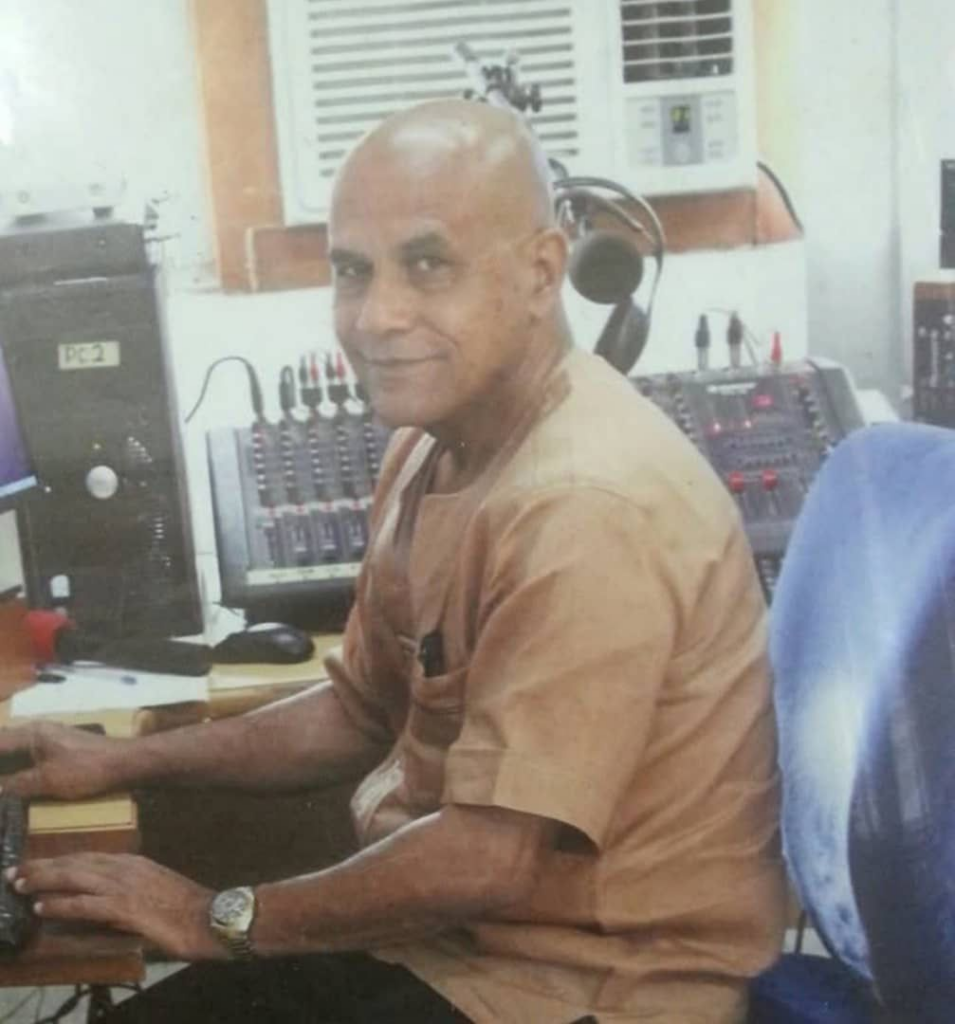
He said the criticism he faced never derailed his vision of equipping others with practical broadcasting skills.
“People kept telling me, ‘I want to be like you; I want to grow to be like you,’ and that made me realise there was a need for a school to train them,” he explained. “So the criticism didn’t stop me. In fact, some people even came to my defence, saying radio is different.”
According to him, radio cannot be taught solely through textbooks. It thrives on hands-on experience, discipline, and constant learning on the job.
“For me, radio is not purely academic. It’s practical. You learn it by doing—by understanding people, timing, content, and delivery,” he said.
Forson stressed that his aim was never to replace university education but to complement it by offering real-world training for aspiring broadcasters.
With support from the German Development Service, he established the Rabodef Radio Academy in 2004.
“I set up a radio school with their support. I started it in 2004,” he noted.
The academy quickly gained momentum, attracting young people eager to learn broadcasting beyond the classroom.
“It grew very fast, and I trained so many people—many of the broadcasters you see today,” he said.
Forson also credited much of the academy’s growth to the involvement of his wife, Nana Yaa, whom he described as instrumental to both its administrative and academic success.
“I cannot tell this story without mentioning Nana Yaa,” he said. “She came in to support me and helped elevate the school. She lectured in journalism, production, and news, and she’s a prolific teacher.”
Over the years, Rabodef became a key training ground for several notable broadcasters, including Doreen Andoh, Kwame Sefa Kayi, Kofi Kum Bilson, and Mark Okraku Mantey—all of whom have gone on to build successful careers in the media industry.
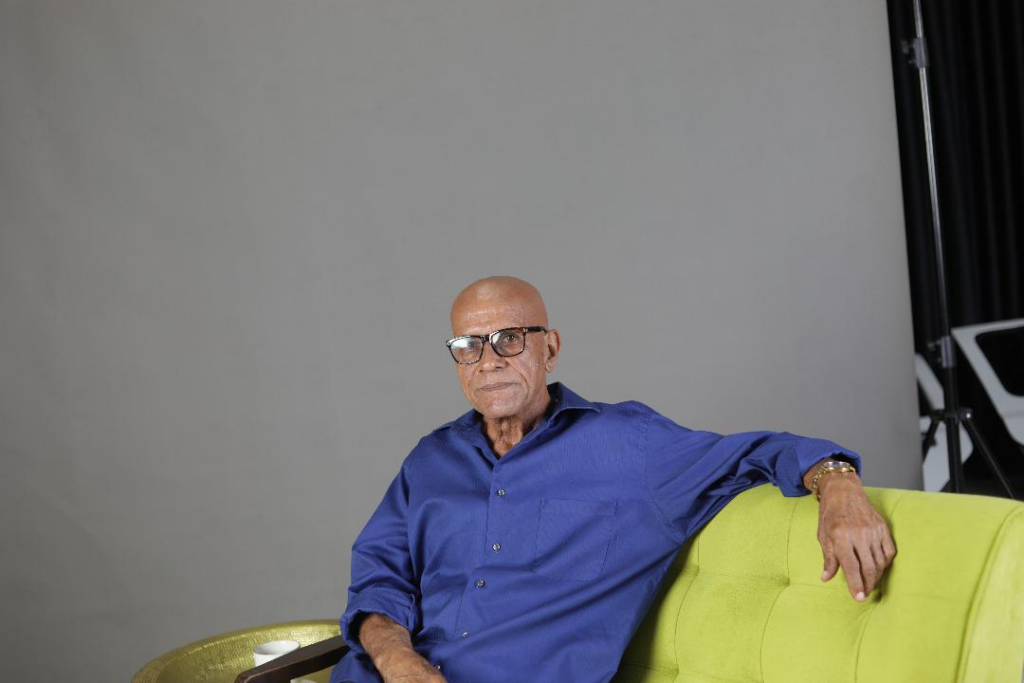
For him, the academy’s true legacy lies not in its lifespan but in the voices it nurtured and the professional standards its graduates carry into the industry.
“It has been such an experience,” he said, reflecting on its journey.
After operating for about 15 years, the academy eventually shut its doors, a decision Tommy Annan Forson attributes largely to the impact of the COVID-19 pandemic.
“We ran it for 15 years until COVID came, and unfortunately we had to part ways with Rabodef and the teaching,” he explained.
Asked whether there are plans to revive the academy, he responded cautiously: “Let’s see.”
Still, for Forson, Rabodef’s significance goes beyond whether it continues to operate. Its real value, he believes, is in the people it helped shape—an achievement he looks back on with pride.
“It has been such an experience,” he added with a smile.