Accra Metropolitan University, in partnership with the E-Crime Bureau, has introduced two new postgraduate programmes aimed at strengthening professional capacity within Ghana’s security and intelligence sector.
The programmes — MSc Cybersecurity and Digital Forensics, and MSc Security and Intelligence — were officially launched on Wednesday, April 22, at the university’s Nungua campus in Accra.
The launch was accompanied by a public lecture themed “From Curriculum to Capability: Cybersecurity and Intelligence Education in the Algorithmic Era.”
In her welcome address, Acting Vice-Chancellor Professor Goski B. Alabi highlighted the growing importance of the programmes, noting their relevance in a rapidly evolving digital environment where cybersecurity and intelligence skills are increasingly in demand.
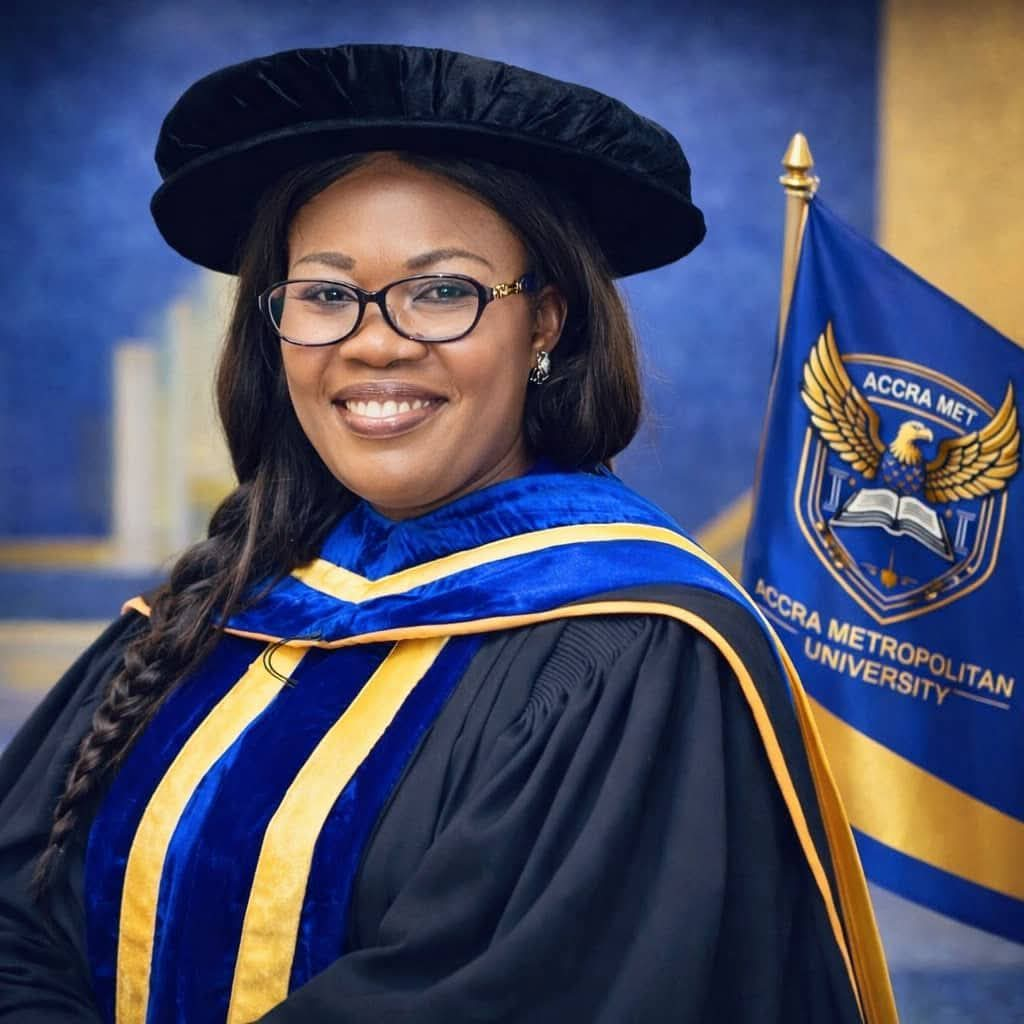
She explained that the partnership with the E-Crime Bureau is aimed at closing the gap between classroom learning and the practical demands of the job market.
“This collaboration is particularly important because it integrates hands-on learning, intelligence-led insights, and exposure to real-life cases into our teaching. Our students will not only graduate with academic qualifications, but will also be well prepared for industry practice,” she said.
Professor Alabi further noted that the university has adopted a similar partnership approach with the Electricity Company of Ghana for its MSc Energy Management and Policy programme, as part of efforts to strengthen practical training across disciplines.
The lecture was delivered by former Director-General of the Cyber Security Authority, Dr Albert Antwi-Boasiako, who called for a major review of Ghana’s educational curricula in response to rapid technological advancement.
READ ALSO: Former CSA boss calls for a review of cybersecurity education to close skills gap
Speaking on the theme “The Algorithmic Era – Redefining Cybersecurity and Intelligence,” Dr Antwi-Boasiako said algorithms are now central to decision-making processes and the organisation of modern society.
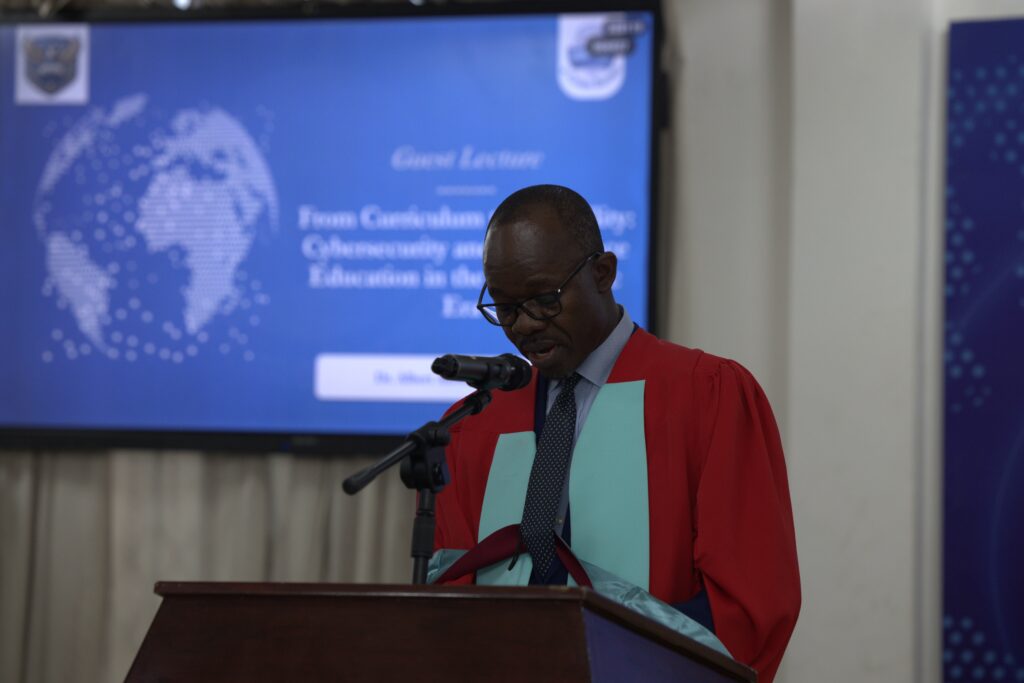
Dr Albert Antwi-Boasiako has described the rise of artificial intelligence and advanced digital systems as a transformational shift that is reshaping how people think, access information and make decisions.
“The Algorithmic Era is defined by the growing dominance of computational logic over human judgement,” he explained. “It is a civilisation-changing shift in which algorithms increasingly influence what we see, what we know, and ultimately how we think.”
He said the changing technological landscape requires a complete rethink of educational systems, with greater focus on practical capability rather than purely theoretical knowledge.
“To move forward, we must rethink education around what it truly means to be capable,” he said. “Capability is not simply about what you know. It is about what you can do under pressure, in uncertain situations, and when real consequences are involved.”
According to Dr Antwi-Boasiako, modern academic programmes must be designed to equip students with practical and industry-relevant skills.
He identified key competencies such as threat analysis, digital forensics, intelligence synthesis, counter-intelligence, offender profiling and risk-based decision-making as essential areas of training for professionals operating in today’s digital environment.
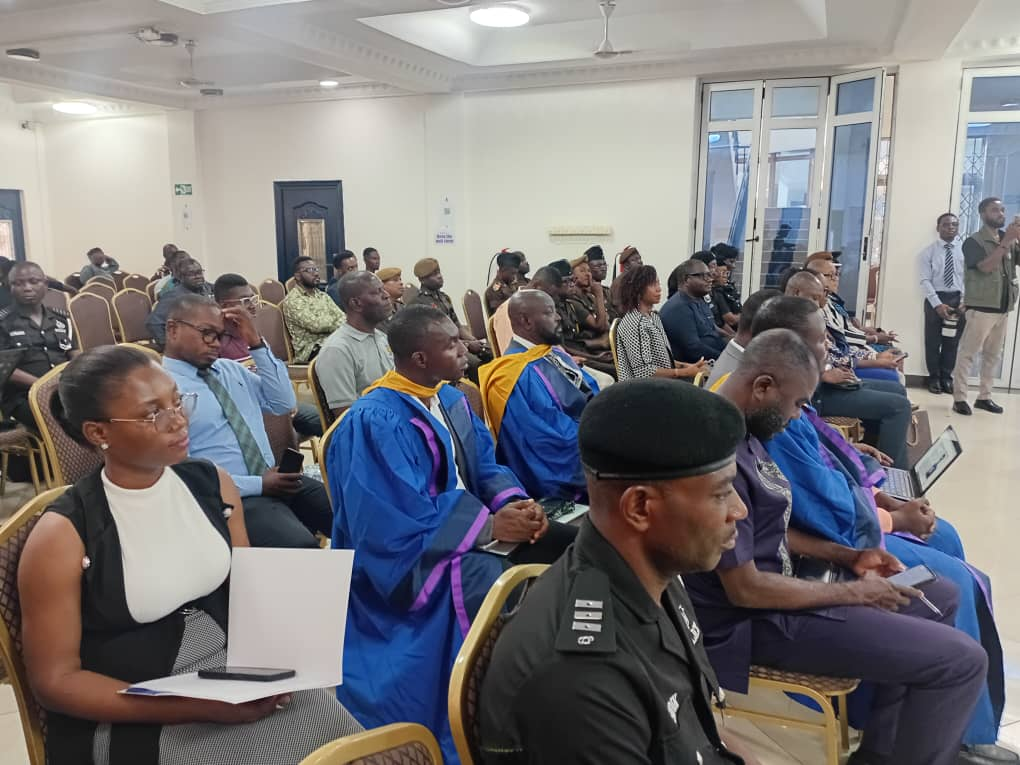
Dr Albert Antwi-Boasiako stressed that the skills required in today’s digital age are no longer optional but essential for future professionals.
“Professionals in the Algorithmic Era must be more than just technologists. They must also think like analysts, strategists and ethicists,” he said.
He encouraged students to go beyond simply using technology and develop the ability to critically examine the systems they interact with.
“Students must not only use algorithms, they must question them,” he noted. “They need to understand the assumptions, biases, limitations and security risks built into these systems. Education in this era is not only technical; it is also philosophical.”
Dr Antwi-Boasiako further emphasised the need for lifelong learning, saying the rapid pace of technological change means education can no longer be viewed as a one-time process.
“In an era defined by constant change, education is no longer a phase of life; it has become a permanent condition,” he concluded.
Accra Metropolitan University, located in Nungua in the Greater Accra Region, is a private city-based institution focused on flexible education, lifelong learning and applied research. The university aims to empower students with practical knowledge and skills that support sustainable development and future-ready careers.