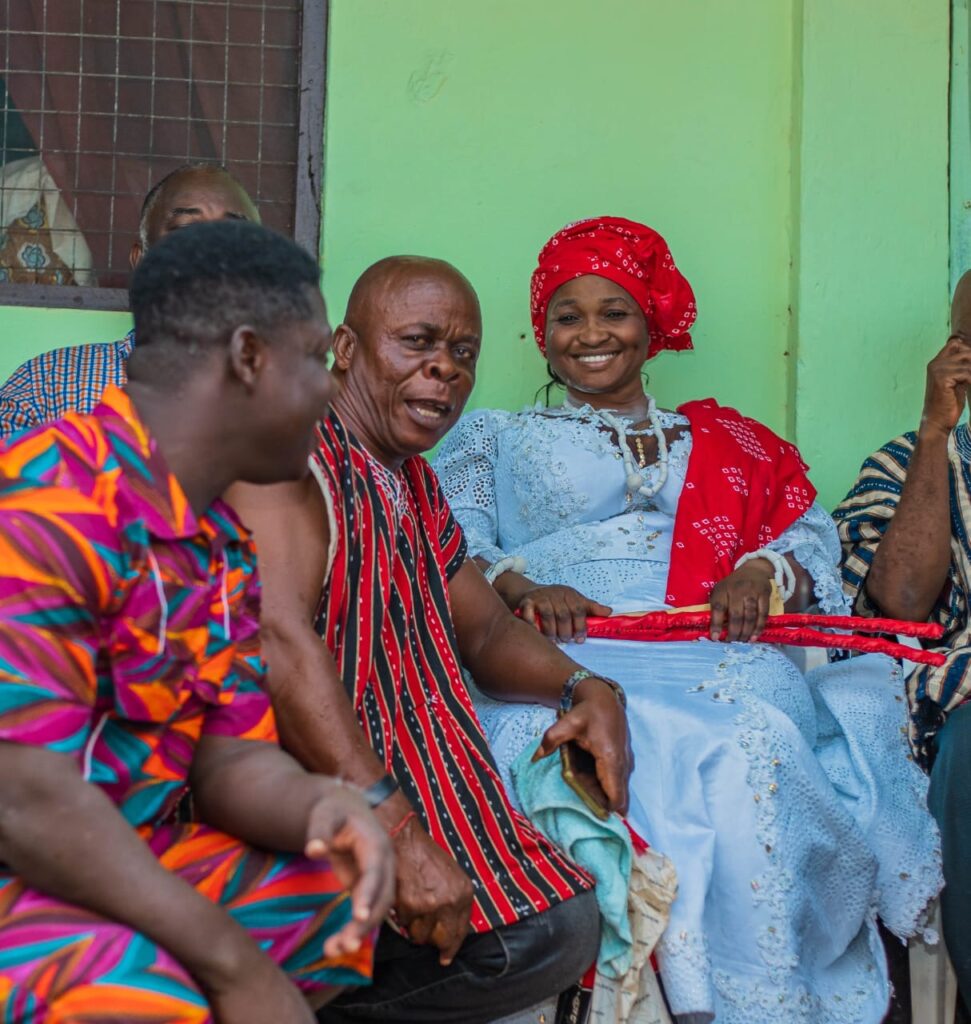
The Chief Executive Officer of the Ghana Tourism Authority, Maame Efua Houadjeto, has been enstooled as the Safohen of the Bentsir No. 1 Asafo Company in Cape Coast, taking the stool name Nana Efua Kouguah Nshiraba II.
The colourful but solemn traditional ceremony took place in Cape Coast in the Central Region and drew hundreds of people from all walks of life. Among those present were traditional leaders, government officials, tourism stakeholders, opinion leaders, Asafo members, as well as family, friends, and residents who gathered to witness the historic event.
The ceremony was rich in symbolism and cultural pageantry, highlighting Ghana’s deep-rooted traditions and vibrant heritage. It featured drumming, dancing, Asafo displays, and customary rites that reflected the enduring identity and legacy of Asafo institutions in the Central Region.
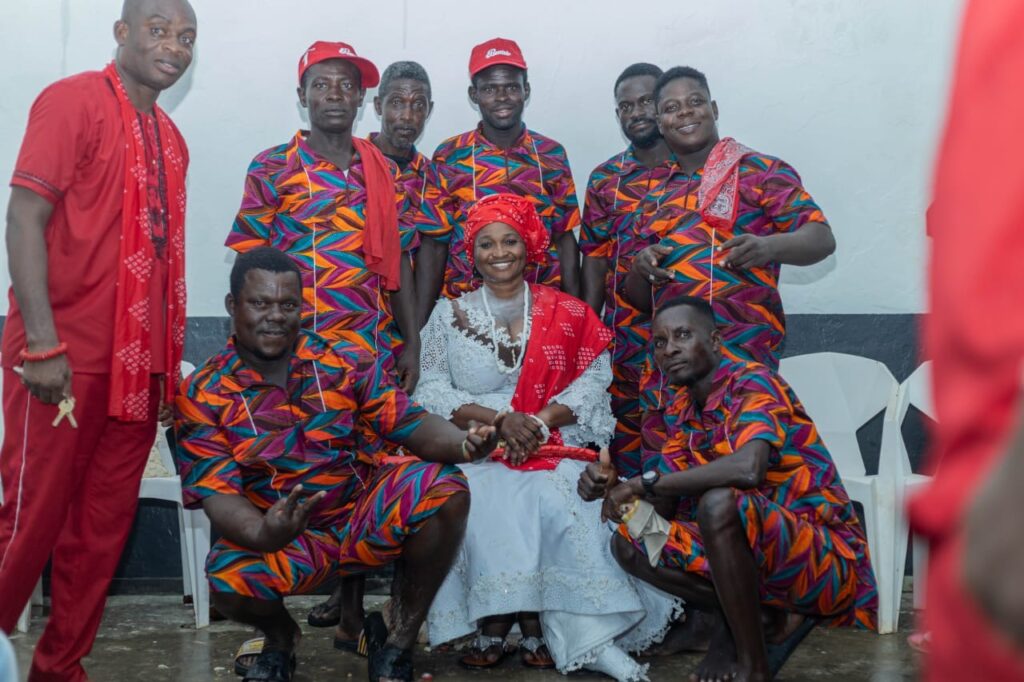
The installation of Nana Efua Kouguah Nshiraba II is being seen as both a recognition of her leadership and service, as well as a call to greater responsibility in promoting community development, unity, and cultural preservation.
As Safohen of the Bentsir No. 1 Asafo Company, she now assumes responsibility for guiding the Asafo group, fostering peace and unity among members, safeguarding customs and traditions, and supporting community mobilisation and development initiatives within the traditional area.
The role also positions her as a custodian of the Asafo Company’s values, discipline, and identity, while strengthening its contribution to social and cultural progress.
The ceremony also underscored the important role of traditional institutions in preserving Ghana’s heritage and promoting cultural tourism, highlighting the strong link between culture, tourism, and community identity.
Speaking at the event, several dignitaries commended the CEO of the Ghana Tourism Authority for her dedication to public service, leadership, and commitment to advancing Ghana’s cultural and tourism sector.
They expressed confidence that her elevation to the revered traditional position would further enhance efforts in cultural preservation and national development.
The event was marked as a vibrant celebration of Ghanaian identity—rooted in tradition, rich in colour, and deeply grounded in cultural heritage.